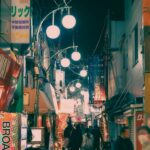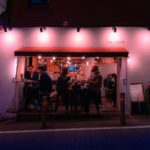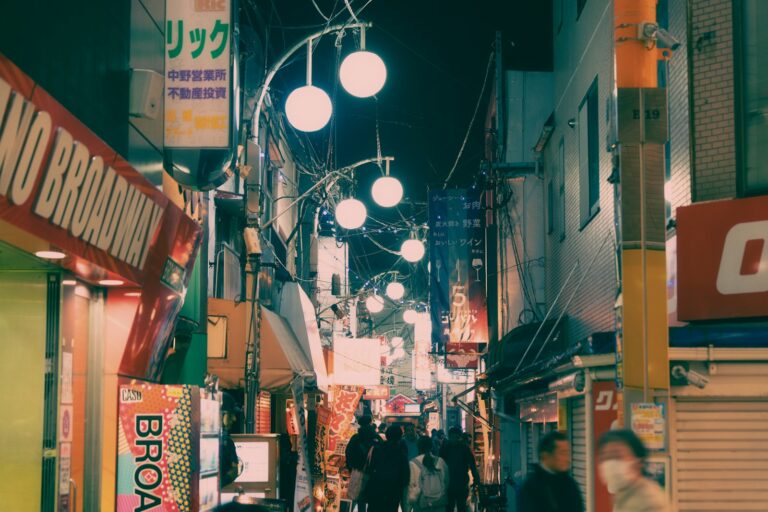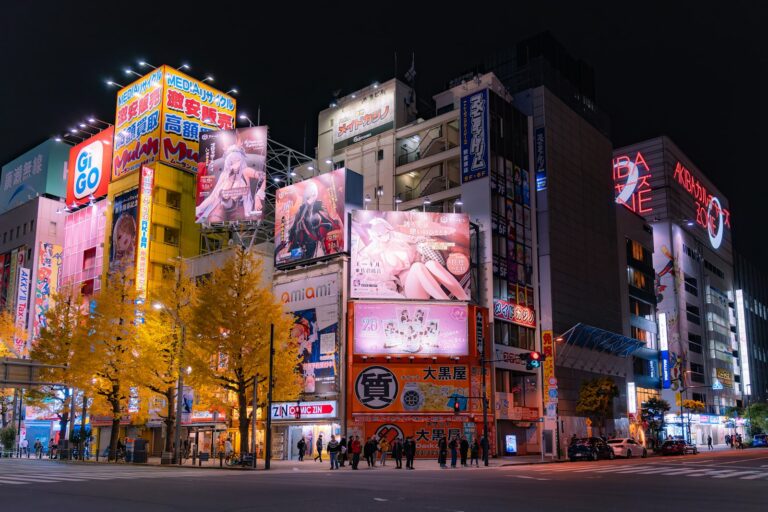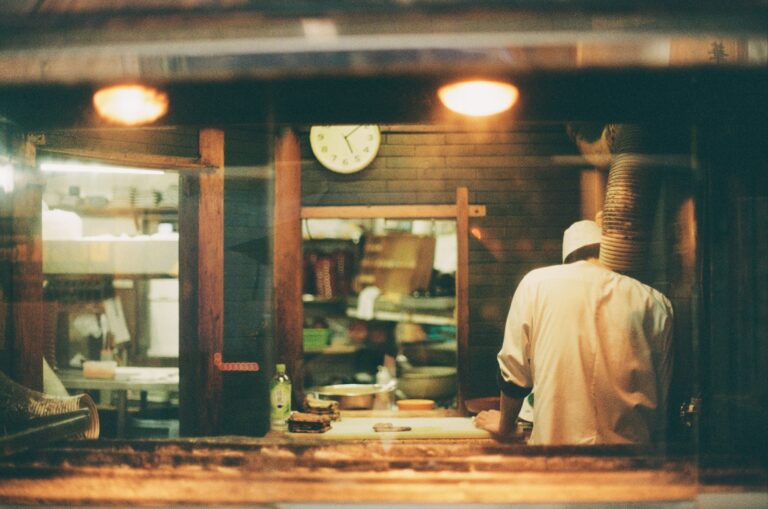
Photo by <a href="https://unsplash.com/@jo_negatives?utm_source=tokyodeepnightlife&utm_medium=referral">Olegs Jonins</a> on <a href="https://unsplash.com/?utm_source=tokyodeepnightlife&utm_medium=referral">Unsplash</a>
You’ve found a bar in Tokyo, pushed open the door, and the bartender gives you a polite but nervous look. You’re not sure if you’re welcome, and the menu is in Japanese only. If that sounds familiar, this guide is for you. We’ve picked out Tokyo bars with English speaking bartenders and checked each one against published sources, so you can sit down, order with confidence, and actually talk to the person making your drink.
Here’s what most guides won’t tell you: English in Tokyo bars depends far more on the type of bar than on the neighborhood. A world-ranked cocktail bar in Shibuya and a six-seat counter in Golden Gai can both work brilliantly in English. A random izakaya next door to either might not. Once you know the patterns, finding an English-friendly bar gets much easier.
Contents
- Why English Is Hit or Miss in Tokyo Bars
- How to Spot an English-Friendly Bar Before You Walk In
- 6 Tokyo Bars with English Speaking Bartenders
- 1. The SG Club (Shibuya) — World-Class Cocktails, English Menu
- 2. Bar Benfiddich (Nishi-Shinjuku) — The No-Menu Experience
- 3. Bar Trench (Ebisu) — Absinthe and Classic Cocktails
- 4. Ace’s (Golden Gai) — No Cover, Owner Speaks English
- 5. Albatross G (Golden Gai) — Chandeliers and an English Menu
- 6. Two Dogs Taproom (Roppongi) — Craft Beer and English-Speaking Staff
- Hotel Bars: The Safest Bet for English
- What You’ll Pay: Cover Charges and Otoshi
- When the English Runs Out: A Few Phrases That Help
- Where English-Speaking Bartenders Are Easiest to Find
- FAQ: English-Speaking Bars in Tokyo
- What do you do in Tokyo After 10?Join our Tokyo Nightlife Private Tour
- Skip the Guesswork: Let a Local Guide Find the Right Bars
- About the Author
Why English Is Hit or Miss in Tokyo Bars
Most Tokyo bars are small, independently owned, and built around regulars. Plenty of bartenders understand more English than they speak, and many worry about getting things wrong in front of a guest. When a bar seems hesitant, it’s usually nerves, not rudeness.
A long-running bar FAQ from Nomunication sums it up well: the more famous a bar is, the more likely it is used to non-Japanese speakers, and hotel bars are the safest bet of all. That matches what we see on the ground. Award-winning cocktail bars, bars run by owners who’ve lived abroad, and international-style pubs are where English-speaking bartenders tend to gather.
You’ll also see signs in some small bars saying “Japanese only” or “regulars only.” Respect them. These bars aren’t for tourists, and there are plenty of others where you’ll be welcomed.
How to Spot an English-Friendly Bar Before You Walk In
You don’t need a list for every night out. These signals are reliable across Tokyo:
- English on the door. A sign, menu, or price list in English outside the bar is the clearest invitation you’ll get. In Golden Gai especially, English signage usually means foreigners are welcome.
- A posted cover charge. Bars that show their table charge up front are used to first-time guests, and you’re far less likely to get a surprise on the bill.
- Awards and international press. Bars on the World’s 50 Best Bars or Asia’s 50 Best Bars lists host guests from around the world every night.
- Hotel bars. Five-star hotel bars train staff to serve international guests. They cost more, but English is close to guaranteed.
- Online reviews in English. If recent English-language reviews mention talking with the bartender, that’s a strong sign.
One warning: a street tout promising “English OK, cheap drinks” is not the same thing. In areas like Kabukicho, touts are illegal, and following one is the most common way tourists end up with an inflated bill. Pick your bar yourself.
6 Tokyo Bars with English Speaking Bartenders
Each bar below has English-language support confirmed by at least one published source: a review, a guidebook, or the bar’s own English materials. Hours and prices change, so check the bar’s official page before you go.
1. The SG Club (Shibuya) — World-Class Cocktails, English Menu
The SG Club comes from bartender Shingo Gokan, who built his career in New York before returning to Japan. The bar’s own English site lists it as No. 10 on The World’s 50 Best Bars (2020) and No. 3 on Asia’s 50 Best Bars (2021).
It splits into two spaces. “Guzzle,” the ground-floor bar, is the casual side, and Time Out reports it has an English menu and no table or cover charge. “Sip,” downstairs, is the more refined cocktail lounge and adds a service charge. Reviewers often mention how friendly the staff are and how good their English is.
- Address: 1-7-8 Jinnan, Shibuya-ku, Tokyo
- Best for: First-timers who want a top-tier cocktail bar without the intimidation
2. Bar Benfiddich (Nishi-Shinjuku) — The No-Menu Experience
Bar Benfiddich is one of Tokyo’s most talked-about bars, and it has no menu at all. Owner-bartender Hiroyasu Kayama asks what spirits and flavors you like, then builds a drink around your answers, often with herbs and botanicals. Lonely Planet describes Kayama as an English-speaking barman, which makes this bar unusually approachable for an experience this personal.
Because everything happens in conversation, being able to talk to the bartender is the whole point here. Time Out lists hours of 6pm to 1am, closed Sundays and national holidays. Reservations go through TableCheck.
- Area: Nishi-Shinjuku
- Best for: Cocktail lovers who want a one-of-a-kind drink made just for them
3. Bar Trench (Ebisu) — Absinthe and Classic Cocktails
Tucked into an Ebisu backstreet, Bar Trench focuses on absinthe and 19th-century-style cocktails. It’s run by bartender Rogerio Vaz, a Brazilian-Japanese mixologist described by Getlost magazine as English-speaking. English-language reviews often mention staff who make thoughtful recommendations in English.
The bar’s official page lists hours of 6pm to 2am, open every day, and says plainly that it doesn’t take reservations. Arrive early if you want a seat. Bar Trench’s operator, Small Axe, says it placed No. 74 in The World’s 50 Best Bars 2026 rankings.
- Address: 1-5-8 Ebisu-nishi, DIS Building 102, Shibuya-ku, Tokyo
- Best for: A grown-up night in Ebisu with something you won’t find at home
4. Ace’s (Golden Gai) — No Cover, Owner Speaks English
Golden Gai packs about 200 tiny bars into a few narrow lanes, and most of them charge a seat fee. Ace’s is a popular exception. Several guides say it has no cover charge, and Japan Experience notes that the owner studied in the United States and speaks good English.
With only a handful of seats, Ace’s is the kind of place where you end up chatting with the bartender and whoever is sitting next to you. That’s exactly the Golden Gai experience most visitors are after.
- Area: Golden Gai, Kabukicho 1-chome, Shinjuku
- Best for: A relaxed, low-cost first stop in Golden Gai
5. Albatross G (Golden Gai) — Chandeliers and an English Menu
Albatross G is one of the most photographed bars in Golden Gai, thanks to its gilded mirrors and chandeliers. Guides regularly list it among the area’s most foreigner-friendly bars, and it has an English menu.
Time Out lists a ¥500 table charge, which comes with a small snack. It’s a small fee for one of Golden Gai’s most atmospheric rooms. The bar spreads over more than one floor, so it’s easier to get a seat here than in many of its neighbors.
- Area: Golden Gai, Shinjuku
- Best for: Your first Golden Gai bar, or a photo-worthy nightcap
6. Two Dogs Taproom (Roppongi) — Craft Beer and English-Speaking Staff
Not every night calls for a crafted cocktail. Two Dogs Taproom is a relaxed, American-style craft beer bar in Roppongi, with more than 20 taps of Japanese and American craft beer and wood-fired pizza. Foreigner-friendly bar guides specifically mention its English-speaking servers.
Time Out lists the nearest exit as Roppongi Station Exit 3. Tabelog lists its popular pepperoni pizza at ¥1,600, so it works for dinner and drinks in one stop.
- Address: Aries Building 2F, 3-15-24 Roppongi, Minato-ku, Tokyo
- Best for: Groups, beer fans, and a casual night with no language worries
Hotel Bars: The Safest Bet for English
If you want English service with no uncertainty at all, head to a luxury hotel bar. The staff are trained to look after international guests, English menus are standard, and the atmosphere is calm. You’ll pay more per drink, and many hotel bars add a cover charge or service charge in the evening, especially on live music nights.
Our guide to Tokyo hotel bars, including the Park Hyatt’s New York Bar covers the best options and what to expect. Check each hotel’s official site for current charges and music schedules, because they change often.
Looking for Adult Entertainment Services in Tokyo? Download this
I’ve spent over a decade exploring and studying Japan’s adult entertainment scene firsthand. If you’d like detailed insider information—including how to choose the right shop, what services are available, and tips for avoiding common mistakes—check out our exclusive E-book.
What You’ll Pay: Cover Charges and Otoshi
English-friendly or not, most Tokyo bars follow the same pricing customs. Knowing them in advance means no surprises at the end of the night.
- Table charge / cover charge. Many small bars charge a seat fee per person. In Golden Gai, guides commonly put this between ¥500 and ¥1,500.
- Otoshi. Some bars and most izakaya serve a small appetizer you didn’t order and add it to the bill. It’s a seat charge, not a mistake. Our guide to the otoshi charge in Japanese bars explains how it works.
- Service charge. Higher-end cocktail lounges and hotel bars often add around 10%.
- No tipping. Tipping isn’t expected in Japan, and good service is already included.
If a bar won’t tell you its prices before you sit down, that’s your cue to leave.
When the English Runs Out: A Few Phrases That Help
Even at English-friendly bars, a little Japanese goes a long way. Bartenders really appreciate the effort, and it often turns a polite exchange into a real conversation.
- “Eigo daijoubu desu ka?” — Is English OK?
- “Osusume wa nan desu ka?” — What do you recommend?
- “Kore o kudasai.” — This one, please (point at the menu).
- “Okaikei onegaishimasu.” — The check, please.
- “Gochisousama deshita.” — Thank you for the drinks (said as you leave).
For more, see our guide on how to order in a Japanese bar, which covers drink names, sizes, and counter etiquette.
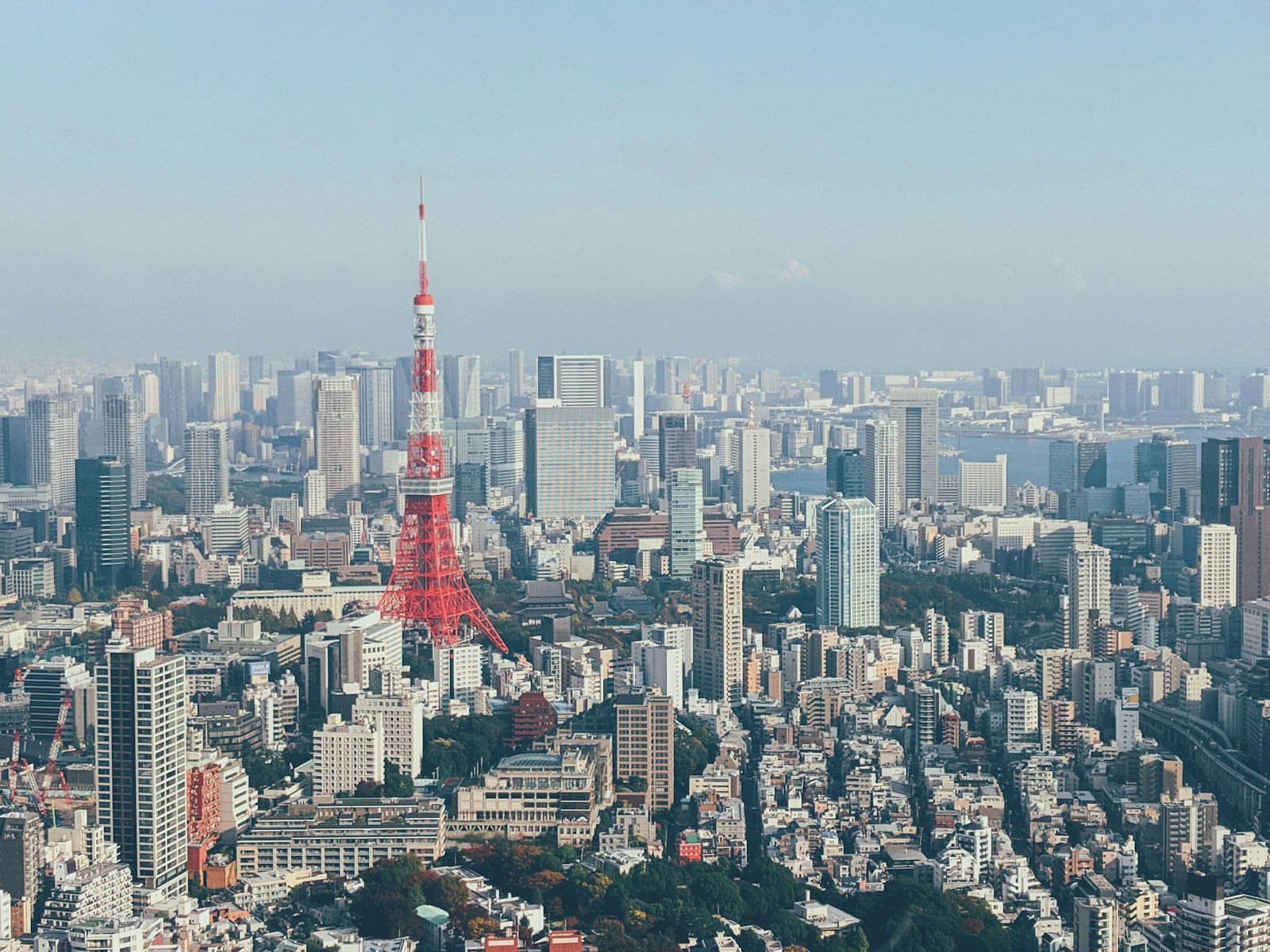
Where English-Speaking Bartenders Are Easiest to Find
If you’d rather explore than follow a list, these areas give you the best odds:
- Shibuya and Ebisu — Home to several internationally ranked cocktail bars, with staff used to overseas guests.
- Golden Gai (Shinjuku) — Many bars post English signs, and owners who welcome foreigners say so on the door.
- Roppongi — Tokyo’s most international nightlife district, with plenty of English-speaking pubs and bars. Stay alert to touts here, though.
- Ginza and Marunouchi — Polished cocktail bars and hotel bars. English is often available, but small members-only bars are not for walk-ins.
For general tourist information about these areas, the Japan National Tourism Organization is a good official starting point.
FAQ: English-Speaking Bars in Tokyo
Do most Tokyo bartenders speak English? Not most, but far more than you might expect. Bartenders at well-known cocktail bars, hotel bars, and international pubs usually speak English well. At small neighborhood bars, it varies from bar to bar.
Is it rude to walk into a bar and speak English? No. Just ask politely whether English is OK, and accept the answer gracefully if it isn’t. Most bartenders will do their best.
Are English-friendly bars more expensive? Not necessarily. Ace’s in Golden Gai is known for having no cover charge, while hotel bars sit at the top of the price range. Expect drink prices to follow the bar’s style, not its language.
Do I need a reservation? For most bars, no. Some well-known bars like Bar Benfiddich take bookings, while others such as Bar Trench don’t take reservations at all. Always check the bar’s official page.
What do you do in Tokyo After 10?
Join our Tokyo Nightlife Private Tour
You deserve better than overpriced bars and missed opportunities. We’re here for you.
Skip the Guesswork: Let a Local Guide Find the Right Bars
The bars above are a great start, but Tokyo’s best counters are often the ones with no English sign, no website, and a bartender who’ll happily chat once someone makes the introduction. That’s where having a local by your side makes all the difference.
On our Tokyo After 10 nightlife private tour, an English-speaking local guide takes you into the bars and alleys you’d struggle to enter alone. They handle the Japanese, explain the house rules and charges, and pick spots that suit your taste, from Golden Gai counters to hidden cocktail bars. If you want a night that goes beyond the tourist trail without the language barrier, it’s the easiest way to do it.