Photo by <a href="https://unsplash.com/@alamanga?utm_source=tokyodeepnightlife&utm_medium=referral">Yanhao Fang</a> on <a href="https://unsplash.com/?utm_source=tokyodeepnightlife&utm_medium=referral">Unsplash</a>
Most visitors picture New Year’s Eve in Tokyo as a countdown party. Locals do something quieter, and in many ways more memorable. A few minutes before midnight, hundreds of thousands of people line up outside shrines and temples across the city, breath steaming in the cold, waiting for the gates to open on the first prayer of the year. This guide to Tokyo New Year shrine hatsumode covers the best places for a night visit, how the midnight rituals work, and the practical details (trains, crowds, cash) that decide whether your night goes smoothly.
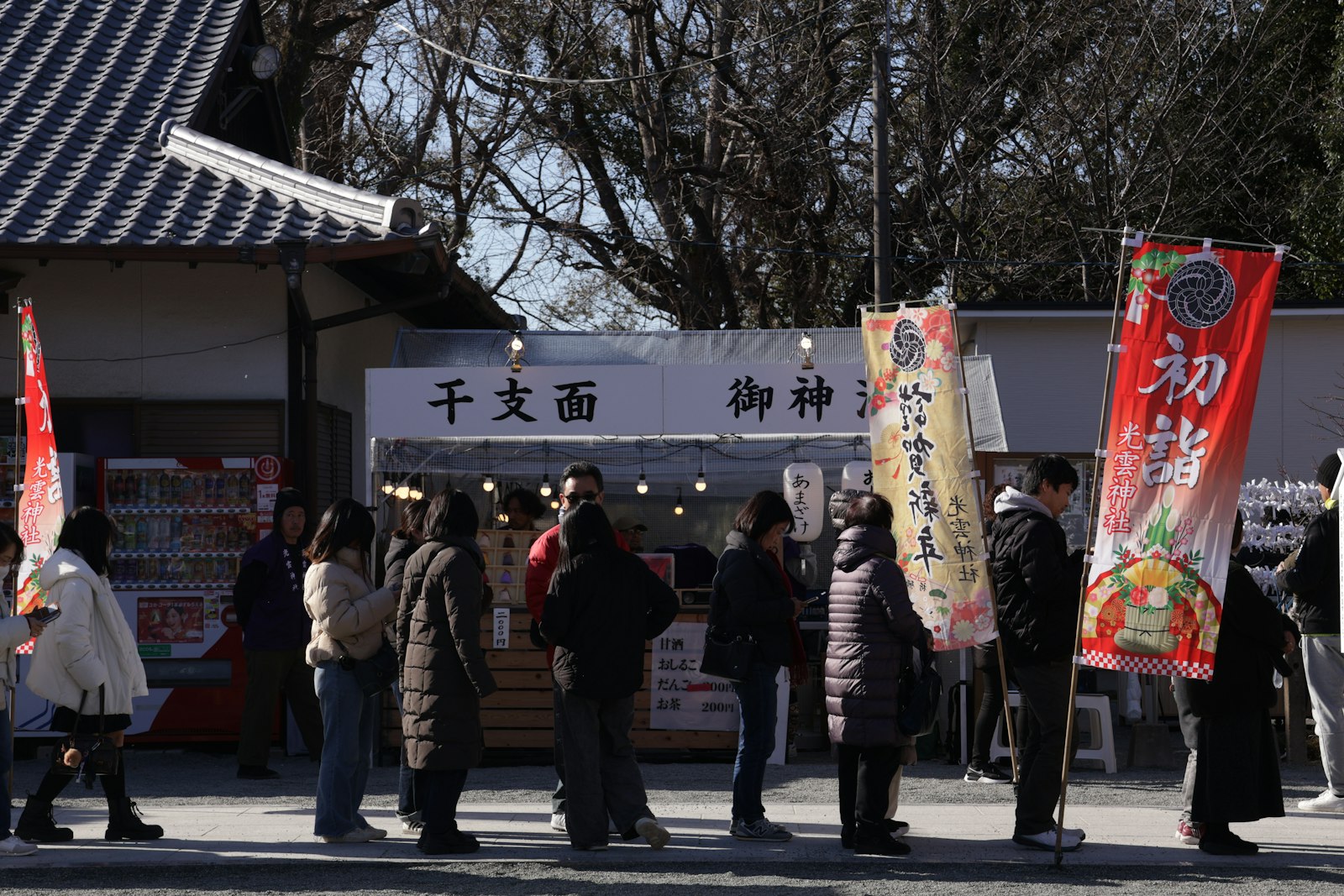
Hatsumode (初詣) simply means “first visit,” and you can do it any time in the first days of January. But doing it at midnight, with temple bells ringing out the old year and food stalls glowing along the approach, is a completely different experience from a daytime visit.
Contents
- What Is Hatsumode? A Quick Primer
- How Night Hatsumode Works on December 31
- 7 Best Spots for Tokyo New Year Shrine Hatsumode at Night
- 1. Meiji Jingu (Harajuku) — The Big One
- 2. Senso-ji (Asakusa) — Lanterns, Stalls and a Temple Bell
- 3. Zojoji (Shibakoen) — Tokyo Tower Behind the Temple
- 4. Kanda Myojin (Ochanomizu / Akihabara) — The Business Shrine
- 5. Hie Shrine (Akasaka / Tameike-Sanno) — Quieter, Under the Torii
- 6. Ikegami Honmonji (Ota Ward) — Ring the Bell Yourself, for Free
- 7. Oji Inari Shrine (Kita Ward) — The Fox Parade
- Hatsumode Etiquette: How to Pray at a Shrine
- Getting There and Back: Trains on New Year’s Eve
- Tips for a Smooth Night Visit
- Combine Hatsumode with a New Year’s Eve Night Out
- Experience Tokyo’s New Year Nights with a Local
- What do you do in Tokyo After 10?Join our Tokyo Nightlife Private Tour
- FAQ: Tokyo New Year Shrine Hatsumode
- About the Author
What Is Hatsumode? A Quick Primer
Hatsumode is the first shrine or temple visit of the New Year. Japanese families go to give thanks for the past year and pray for health, work, exams or relationships in the year ahead. It is the busiest worship period of the year by a wide margin, and the major Tokyo shrines draw millions of people over the first three days of January.
You don’t need to be religious, and you don’t need to choose between Shinto and Buddhism. Most people visit a shrine (jinja), but going to a temple (tera) is just as normal. What matters is the gesture: a small offering, a short prayer and a fortune slip for the year.
There are two related customs worth knowing before you go:
- Joya no kane (除夜の鐘): Buddhist temples ring their great bell 108 times around midnight on December 31. Each strike is said to clear away one of the 108 worldly desires. At some temples visitors can ring it themselves.
- Toshikoshi soba: Long buckwheat noodles eaten on New Year’s Eve for a long life. Many people eat a bowl before heading out to the shrine.
How Night Hatsumode Works on December 31
The rhythm of a midnight visit is surprisingly consistent across Tokyo:
- Around 10pm–11pm: Queues start to form on the main approach (sando). At the big-name shrines, lines can stretch far back toward the station.
- Just before midnight: Temple bells begin, and at some shrines a short ceremony is held behind the gates.
- Midnight: The crowd counts down, a cheer goes up and the line starts moving toward the offering box.
- 12am–3am: The heaviest flow. Food stalls (yatai) along the approach sell amazake, yakisoba and grilled squid, and the omikuji (fortune) counters are packed.
- After 3am: Things thin out noticeably. If you prefer atmosphere without the crush, this is a smart window.
The visit itself takes seconds once you reach the front. The waiting is the experience.
7 Best Spots for Tokyo New Year Shrine Hatsumode at Night
1. Meiji Jingu (Harajuku) — The Big One
Meiji Jingu is the classic choice for Tokyo New Year shrine hatsumode and consistently the busiest shrine in Japan over New Year. The shrine keeps its gates open through the night of December 31, so you can join the countdown in the forest and pray at midnight.
Expect a tightly managed crowd: police divide the approach into blocks and release people in waves. During the New Year period the amulet and goshuin counters move to temporary locations outside the main hall to handle the volume. Traffic restrictions apply around Harajuku from December 31 to January 3.
Best for: First-timers who want the full, enormous, once-in-a-lifetime scale.
2. Senso-ji (Asakusa) — Lanterns, Stalls and a Temple Bell
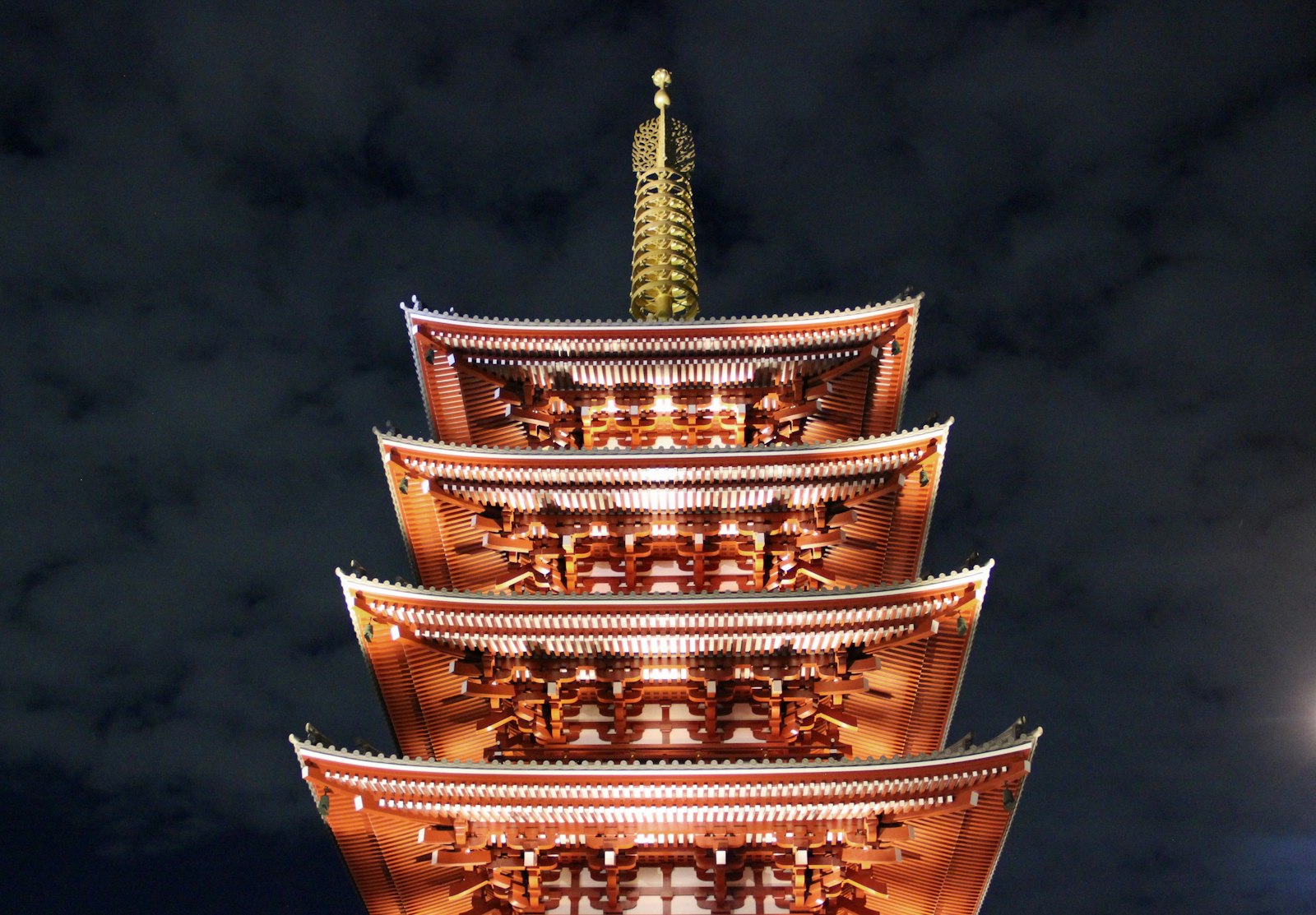
Tokyo’s oldest temple is a spectacular midnight setting. On New Year’s Eve the Nakamise shopping street is decorated for the season, and late at night the flow runs one way toward the temple, so you queue from Kaminarimon gate. Throw a coin into the offering box, wave incense smoke over yourself and draw an omikuji.
The midnight bell at Senso-ji is rung on the temple’s behalf, not by visitors, so come here for the atmosphere rather than to strike the bell yourself. Note that the nearest stations are subway-only, which matters after midnight (see the train section below). If you want to explore the neighborhood beforehand, our guide to Asakusa at night and illuminated Senso-ji covers the best routes.
Best for: Photographers and anyone who wants a festival feel with food stalls.
3. Zojoji (Shibakoen) — Tokyo Tower Behind the Temple
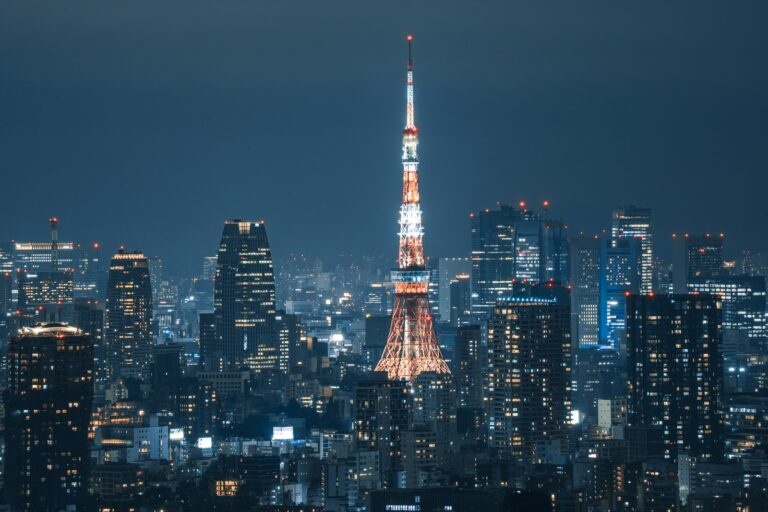
Zojoji is the most photogenic New Year’s Eve temple in Tokyo: the main hall sits directly in front of Tokyo Tower. It holds a jobon-e ritual from 11pm on December 31, in which the past year’s written wishes are burned, followed by a midnight service and New Year prayers in the early hours of January 1.
Zojoji also rings joya no kane before midnight. Bell-ringing tickets have been distributed in person in early December in recent years and go quickly, so check the temple’s announcements well in advance if you want to take part.
Best for: Couples and photographers who want the Tokyo Tower backdrop.
4. Kanda Myojin (Ochanomizu / Akihabara) — The Business Shrine
Kanda Myojin has protected the merchants of central Tokyo for centuries, and today it is popular with office workers and the tech crowd from nearby Akihabara (it is known for IT-protection charms). The shrine holds its first rite of the year at midnight, so it is a lively spot for a countdown visit.
Before you go, check the shrine’s website: it streams a live crowd camera during the New Year period, which is useful for timing your arrival.
Best for: A central, slightly more local alternative to Meiji Jingu.
5. Hie Shrine (Akasaka / Tameike-Sanno) — Quieter, Under the Torii
Hie Shrine is best known for its tunnel of vermilion torii gates on the back staircase. It tends to be calmer than the headline shrines. Last season its gates opened at midnight on January 1, with a midnight rite that included a Noh performance, and the prayer reception started shortly after.
There’s one catch: all three nearby stations are subway stations, and the subways do not run all night. Plan a walk or a taxi for the way back.
Best for: Travelers staying in Akasaka or Roppongi who want something more intimate.
6. Ikegami Honmonji (Ota Ward) — Ring the Bell Yourself, for Free
If ringing a temple bell at midnight is on your list, Ikegami Honmonji is one of the best options in Tokyo. In recent years the temple has handed out free numbered tickets at the bell tower from 11pm on December 31 to the first 600 people, who then ring the bell in groups of six from midnight. Arrive early; those tickets are claimed fast.
It’s further out, in the south of the city, and the nearest local line hasn’t run all night in recent seasons, so this is a commitment.
Best for: Travelers who want to participate, not just watch.
7. Oji Inari Shrine (Kita Ward) — The Fox Parade
This is Tokyo’s most theatrical New Year’s Eve tradition. Inspired by an Edo-period legend (and a famous Hiroshige woodblock print), participants with fox makeup and masks walk in a lantern-lit procession from just after midnight to Oji Inari Shrine. Joining the parade itself has required advance application with limited places, but watching from the street is free. Last season the JR Keihin-Tohoku Line ran all night, which makes Oji one of the easier late-night trips.
Best for: Anyone who wants a New Year’s Eve story nobody else at home will have.
Hatsumode Etiquette: How to Pray at a Shrine
You’ll be moving with a crowd, so knowing the steps in advance makes the moment much less stressful.
- At the torii gate: Bow lightly before passing through, and walk to the side of the approach rather than the very center.
- At the purification basin (temizuya): Rinse your left hand, then your right, then pour a little water into your cupped left hand to rinse your mouth. At midnight many shrines close the basin or skip it due to crowds. Just follow what people around you do.
- At a shrine: Toss a coin into the offering box, bow twice, clap twice, make your wish, then bow once more.
- At a temple: Toss a coin and put your hands together quietly. Do not clap at a Buddhist temple.
- The coin: A ¥5 coin (go-en) is the traditional choice because it sounds like “good connection.” Bring a few.
- Omikuji: Draw a fortune slip after praying. If it’s bad luck, tie it to the rack provided and leave the bad fortune behind.
A few unspoken rules matter more on New Year’s Eve than any other night: don’t push toward the front, don’t stop in the middle of the moving line to take photos, and keep drinking to the food stall area rather than in the queue.
Looking for Adult Entertainment Services in Tokyo? Download this
I’ve spent over a decade exploring and studying Japan’s adult entertainment scene firsthand. If you’d like detailed insider information—including how to choose the right shop, what services are available, and tips for avoiding common mistakes—check out our exclusive E-book.
Getting There and Back: Trains on New Year’s Eve
This is where many visitors get stuck. The short version: the subways do not run all night.
- Tokyo Metro and Toei Subway: In the 2025–26 season neither operator ran all-night trains or extended last trains. Several shrines in this guide (Hie Shrine, Senso-ji’s nearest stations) rely on these lines.
- JR East: JR East announced in October 2026 that it will again run extra trains after the last regular service on six Tokyo-area lines through the night of New Year’s Eve 2026–27. Last season this included the Yamanote Line, which serves Harajuku for Meiji Jingu. Check JR East’s official extra-train page for this season’s exact lines and times.
- Private railways: Some private lines run all night and others only extend their last trains. Each company announces its plans in November or December.
Our guide on how to get around Tokyo at night covers taxis and late buses in more detail. On New Year’s Eve, taxis are in high demand around midnight, so having a ride-hailing app set up beforehand helps.
For official seasonal information, the Tokyo Metropolitan Government’s tourism site GO TOKYO is a reliable starting point.
Tips for a Smooth Night Visit
- Dress for standing still. Late-December nights in Tokyo are cold, and you may wait an hour or more without moving much. Layers, gloves and a hand warmer (kairo, sold at any convenience store) make a big difference.
- Carry cash in small denominations. Offerings, omikuji, charms and food stalls are mostly cash. Bring ¥5 and ¥100 coins and a few ¥1,000 notes.
- Eat before you go. Have toshikoshi soba earlier in the evening, then snack at the stalls afterward.
- Check the official site of each shrine in late December. Hours, ticketing and traffic restrictions change from year to year, so confirm the current season’s notice before you head out.
- Choose your timing. For energy and ceremony, arrive around 11pm. For a calmer visit with the same night atmosphere, go after 3am or on the evening of January 1 or 2.
Combine Hatsumode with a New Year’s Eve Night Out
The best New Year’s Eve nights in Tokyo mix the sacred and the social: a few drinks and dinner earlier in the evening, a shrine at midnight, then a warm bowl of noodles or a final drink at a bar that stays open late. If you’re still choosing where to spend the countdown, our Tokyo New Year’s Eve nightlife guide covers countdown events and late-night spots, and our Tokyo winter illumination guide is perfect for the nights before.
Experience Tokyo’s New Year Nights with a Local
Doing a Tokyo New Year shrine hatsumode on your own is absolutely possible, but it’s also the busiest, most crowd-controlled night of the year, with trains that stop running and rules that change every season. A local who knows which approach to use, when the line thins out and where to warm up afterward can turn a stressful night into the highlight of your trip.
If you’d like a guide to show you the Tokyo that comes alive after dark, from hidden bars to late-night food, take a look at our Tokyo After 10 nightlife private tour. It’s built around the city’s night rhythm, and a great way to experience Tokyo the way locals do.
What do you do in Tokyo After 10?
Join our Tokyo Nightlife Private Tour
You deserve better than overpriced bars and missed opportunities. We’re here for you.
FAQ: Tokyo New Year Shrine Hatsumode
Can tourists do hatsumode in Tokyo? Yes. Hatsumode is open to everyone, regardless of religion or nationality. Just follow the simple etiquette above.
Which Tokyo shrine is open all night on New Year’s Eve? Meiji Jingu keeps its gates open through the night of December 31. Several other shrines and temples, including Kanda Myojin, Hie Shrine and Zojoji, hold rites at midnight. Check each official site for the current season’s hours.
Where can I ring a temple bell on New Year’s Eve in Tokyo? Ikegami Honmonji has given out free numbered tickets to the first 600 people from 11pm. Zojoji has offered bell-ringing tickets distributed in advance. At Senso-ji the bell is rung on the temple’s behalf.
How long is the wait at Meiji Jingu at midnight? It varies by year, but expect a long wait around midnight. The crowds are heaviest from late evening on December 31 until the early hours of January 1, and again during the day on January 1–2.
Do I have to go at midnight? No. Any visit in the first days of January counts as hatsumode. Midnight is simply the most atmospheric, and the most crowded, time to go.