Photo by <a href="https://unsplash.com/@michi_q?utm_source=tokyodeepnightlife&utm_medium=referral">Michele Vergolani</a> on <a href="https://unsplash.com/?utm_source=tokyodeepnightlife&utm_medium=referral">Unsplash</a>
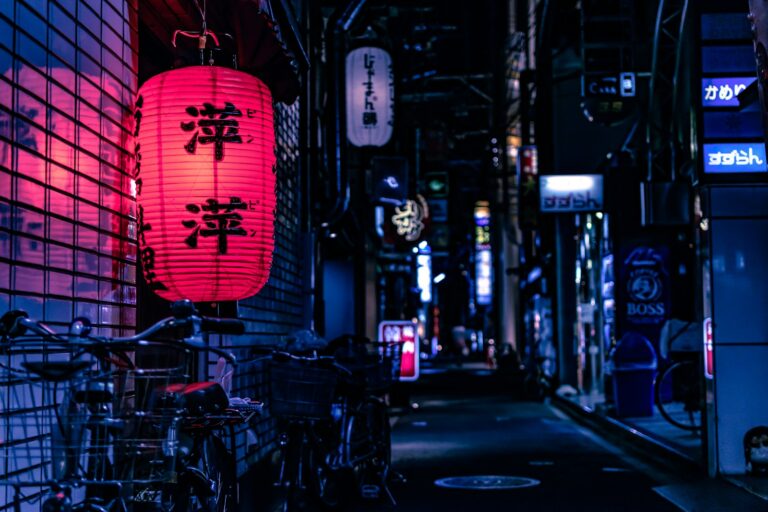
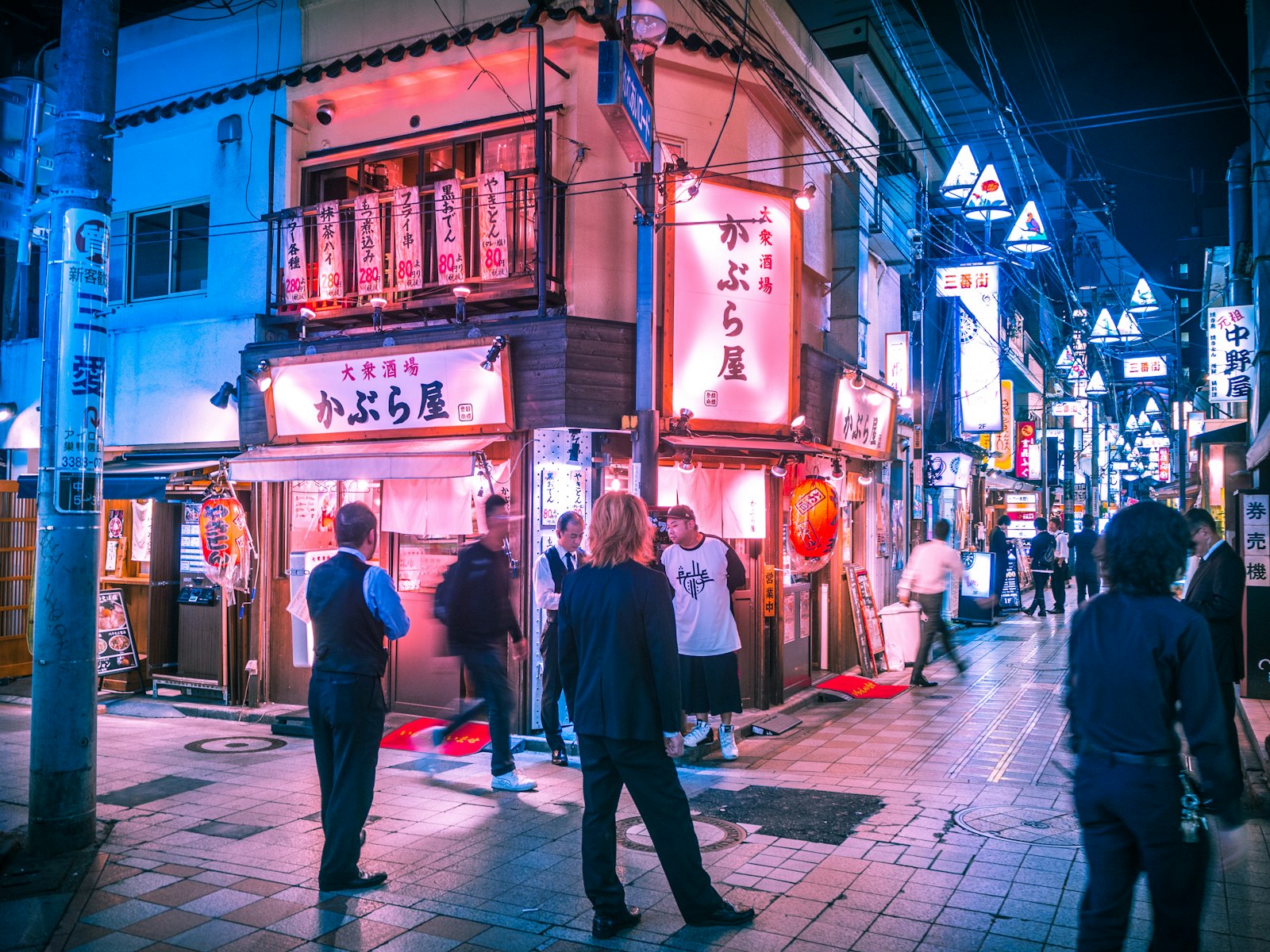
Walk down any side street in Tokyo after dark and you will pass a dozen glowing doors that all say “bar” — yet behind them are completely different experiences. One is a standing counter where a beer costs less than a coffee. One is a tiny lounge run by a “mama” who will hand you a karaoke microphone. Another is a hushed room where a bartender in a vest carves ice by hand. Understanding the main types of bars in Japan is the difference between a great night and a confusing bill.
This guide breaks down the three formats travelers ask about most — tachinomi (standing bars), snack bars and shot bars — and then covers the other types of bars in Japan you are likely to see. For each one you will learn who goes there, how you pay, what to order and the unwritten rules that keep you welcome.
Contents
- Types of Bars in Japan at a Glance
- Why the Bar Type Matters: Charges in Japanese Bars
- Tachinomi: Japan’s Standing Bars
- Snack Bars (Sunakku): Japan’s Neighborhood Living Rooms
- Shot Bars and Authentic Bars: Drinking by the Glass
- Tachinomi vs Snack Bar vs Shot Bar: The Key Differences
- Other Types of Bars in Japan You’ll See
- Which Type of Bar Should You Choose?
- Basic Etiquette Across All Types of Bars in Japan
- FAQ: Types of Bars in Japan
- What do you do in Tokyo After 10?Join our Tokyo Nightlife Private Tour
- Skip the Guesswork: Experience Japan’s Bars With a Local
- About the Author
Types of Bars in Japan at a Glance
Before going deep, here is the short version. The biggest practical difference between the types of bars in Japan is not the drinks — it is how you are charged and how social the room is expected to be.
| Type | Japanese | Seating | How you pay | Social style | Best for |
|---|---|---|---|---|---|
| Standing bar | 立ち飲み (tachinomi) | Standing at a counter | Per drink or per dish, often cash on delivery | Quick, casual, strangers chat | A cheap first drink, bar hopping |
| Snack bar | スナック (sunakku) | Small counter, a few booths | Set charge for a time block, plus extras | Hosted by the “mama,” karaoke | Meeting locals, a long night |
| Shot bar | ショットバー | Counter seats | Per glass, sometimes a small seat charge | Relaxed, one-on-one with bartender | Whisky, cocktails, a quiet drink |
| Izakaya | 居酒屋 | Tables, counters, private rooms | Per item plus a small appetizer charge | Group dining and drinking | Dinner with drinks |
| Alley bar | 横丁 (yokocho) bars | 5–10 seats | Varies; seat charges common | Intimate, regulars-heavy | Atmosphere, local character |
Keep that table in mind as you read. Most “I got overcharged” stories from travelers come from walking into one format while expecting the payment system of another.
Why the Bar Type Matters: Charges in Japanese Bars
In many countries you pay for what you drink and nothing else. In Japan, many venues add a fixed cost just for sitting down. It goes by several names:
- Otoshi / tsukidashi (お通し / 突き出し) — a small appetizer served automatically at izakaya and some bars, billed as a per-person charge
- Charge / table charge (チャージ) — a seat fee common at counter bars, especially those with a dedicated bartender
- Set (セット料金) — a time-based package used by snack bars and hostess-style venues, usually covering house drinks for an hour or two
None of these are scams in themselves; they are how small venues keep the lights on with very few seats. The trick is knowing which system applies before you order. If you want the full breakdown of the appetizer fee, read our guide to what the otoshi charge in Japanese bars actually is.
A simple rule that works everywhere: ask before you sit. “Chāji wa arimasu ka?” (Is there a seat charge?) or “Ikura desu ka?” (How much is it?) is perfectly polite, and good venues answer without hesitation.
Tachinomi: Japan’s Standing Bars
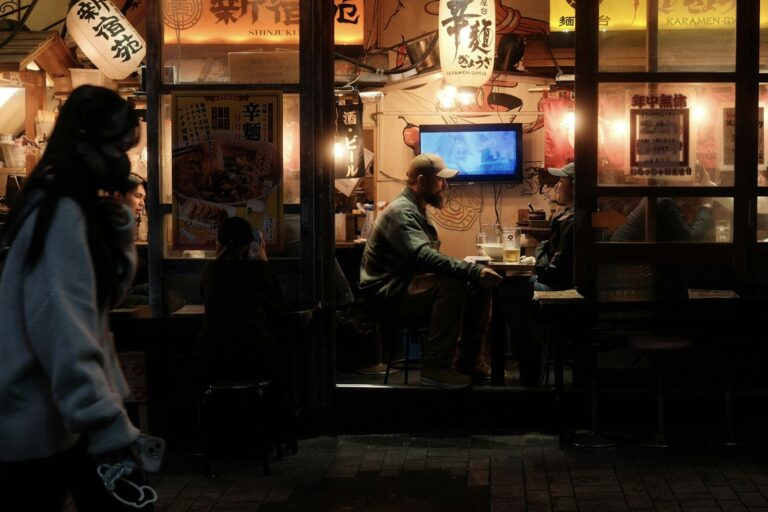
Tachinomi literally means “stand and drink.” These are bars, and sometimes small eateries, with no stools at all — just a counter, perhaps a ledge along the wall, and a crowd of office workers loosening their ties.
Where Tachinomi Come From
Standing and drinking is an old habit in Japan. Liquor shops have long let customers drink at the counter, a style known as kakuuchi (角打ち), and many modern standing bars grew out of that tradition. Today you will find two broad kinds: licensed standing izakaya that cook food, and liquor shops with a counter where you buy from the shelf and drink on the spot.
How Tachinomi Work
- Pay as you go. Many standing bars use cash-on-delivery — you hand over money each time a drink or dish arrives. Some put a small tray or basket in front of you for coins.
- Cheap drinks and small plates. Draft beer, highballs, sake and shochu, plus quick bites like skewers, simmered dishes or sashimi.
- No seat charge. Because there are no seats, there is usually no table charge — which is exactly why tachinomi are popular as a first stop.
- Short stays. The culture is one or two drinks, then move on. Turnover keeps prices low.
Tachinomi Etiquette
Order your first drink right away, keep your bag out of the aisle, and make room when someone squeezes in next to you. Conversation with strangers is normal here — standing shoulder to shoulder breaks the ice fast. When you finish, don’t linger over an empty glass during a busy rush.
For a deeper look at how to order and which neighborhoods have the best standing counters, see our tachinomi guide for foreigners.
Snack Bars (Sunakku): Japan’s Neighborhood Living Rooms
Of all the types of bars in Japan, the snack bar is the one most travelers have never heard of — and the one locals talk about with the most affection. Despite the name, it is not about food. A snack is a small bar, typically with a counter and maybe a booth or two, run by a woman known as the “mama” (or sometimes a “master”).
What Makes a Snack Bar Different
- The mama is the venue. People go to a snack because of who runs it. She pours drinks, keeps conversation going and makes sure nobody drinks alone.
- Karaoke is standard. Most snacks have a karaoke machine, and singing for the room — not in a private booth — is part of the fun.
- Regulars dominate. Many customers have been coming for years, and some keep their own bottle behind the counter (bottle keep / ボトルキープ).
- It is not a hostess club. Staff chat with you across the counter, but there is no paid companionship sitting at your side. If you want to understand where that line is, our comparison of girls bars vs kyabakura vs snack bars explains it clearly.
How Snack Bars Charge
Snacks usually work on a set charge: a fixed price per person for a block of time, often including house shochu or whisky, ice and mixers. Japanese-language guides commonly describe sets of one to two hours with house drinks landing in the ¥3,000–¥5,000 range in central areas, with neighborhood snacks sometimes cheaper and upscale ones more expensive. Extra drinks, bottles or karaoke songs may cost more, and prices are rarely posted outside.
That is why asking first matters most here. A good first line: “Hajimete desu. Ikura desu ka?” (It’s my first time. How much is it?)
Can Foreigners Go to Snack Bars?
Yes, but be realistic. Many snacks are deeply local, with little or no English, and some politely turn away first-timers to protect the atmosphere for regulars. Going with someone who speaks Japanese, or with someone the mama already knows, changes everything. Our guide to snack bars in Japan explained covers how to find welcoming ones.
Shot Bars and Authentic Bars: Drinking by the Glass
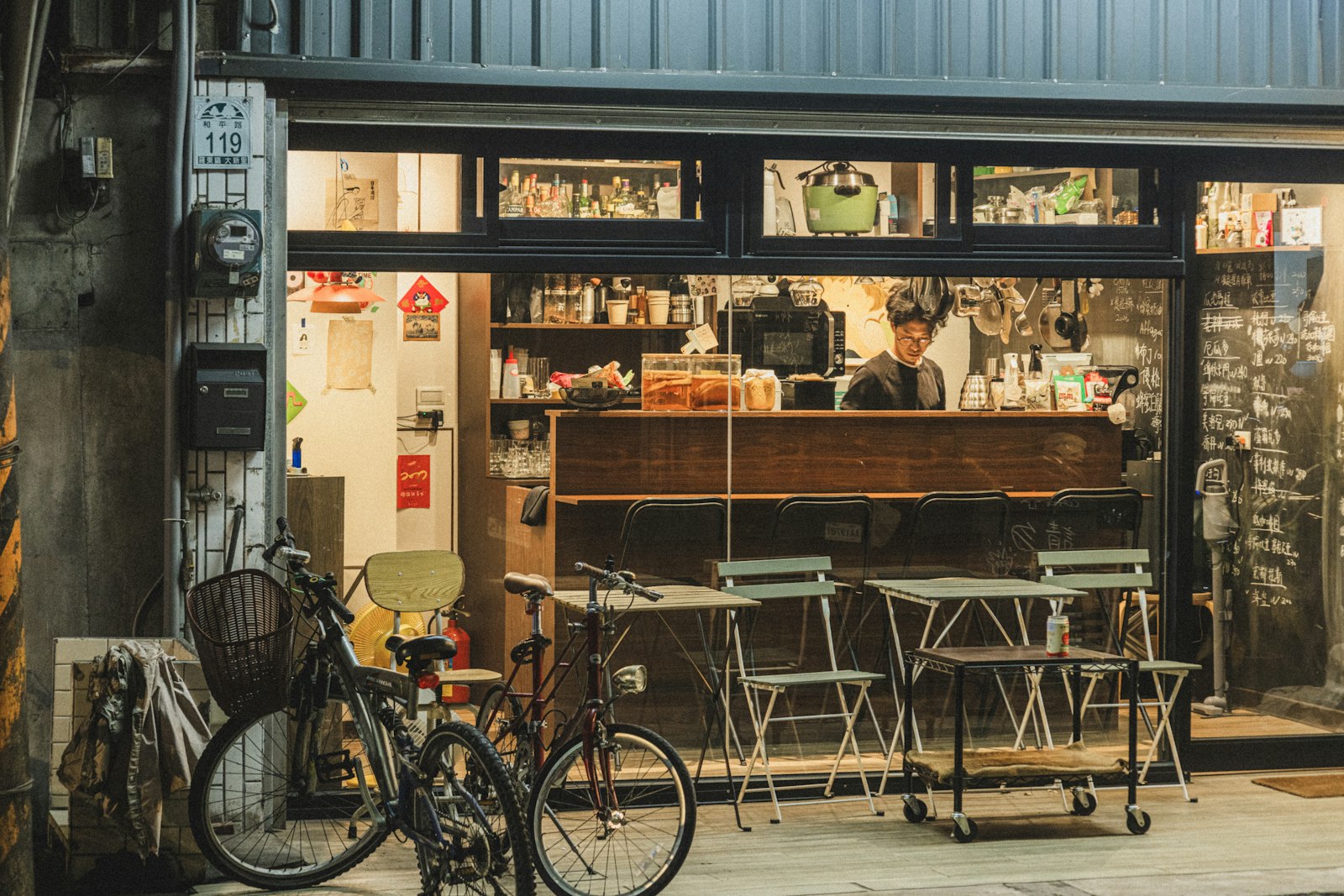
Shot bar (ショットバー) is a Japanese-English term. It does not mean a place for doing tequila shots — it means a bar where you order by the glass (“one shot”) rather than buying a bottle or a time-based set. It is the opposite of the snack-bar system.
What to Expect at a Shot Bar
- A long back bar. Whisky is often the star, alongside gin, rum and classic cocktails.
- Counter seating facing the bartender. You can ask for recommendations by flavor — smoky, light, sweet — rather than by brand.
- Per-drink pricing. Japanese bar guides commonly put a typical glass at around ¥1,000, though rare whiskies can cost much more.
- A possible seat charge. Many Japanese bars still add a cover charge even when you pay per glass, so ask if it isn’t on the menu.
- No dress code in casual shot bars. They are generally relaxed and good for a solo drink.
Shot Bar vs Authentic Bar
Japanese drinkers often separate casual shot bars from authentic bars (オーセンティックバー) — formal, quiet rooms where bartenders in vests craft classic cocktails with precise technique. Authentic bars tend to have seat charges, higher prices and an expectation of calm behavior. Both pay by the glass; the difference is formality.
If you are new to counter bars, sit where the bartender can see you, tell them what you usually like, and let them choose. That trust is often rewarded with the best drink of your trip.
Looking for Adult Entertainment Services in Tokyo? Download this
I’ve spent over a decade exploring and studying Japan’s adult entertainment scene firsthand. If you’d like detailed insider information—including how to choose the right shop, what services are available, and tips for avoiding common mistakes—check out our exclusive E-book.
Tachinomi vs Snack Bar vs Shot Bar: The Key Differences
Here is how the three core types of bars in Japan compare when you are standing on the street deciding where to go:
- Budget: Tachinomi are the cheapest way to drink. Shot bars cost more per drink but nothing more unless there is a seat charge. Snack bars cost a fixed amount whether you drink one glass or five.
- Time: Tachinomi suit 20–40 minutes. Shot bars suit an hour or so. Snack bars reward staying the whole set.
- Interaction: At a tachinomi you talk to strangers. At a shot bar you talk to the bartender. At a snack bar you talk to everyone — and probably sing.
- Language barrier: Lowest at tachinomi (point and order), moderate at shot bars, highest at snack bars.
- Payment risk: Lowest at tachinomi, where you pay as you go. Highest at venues with unposted set prices — which is why you always confirm before sitting.
A classic local night combines all three: a quick beer at a standing bar, a whisky at a shot bar, then the last hour at a snack singing with people you met that evening.
Other Types of Bars in Japan You’ll See
Beyond the big three, these are the other types of bars in Japan that travelers commonly run into.
Izakaya
The Japanese pub-restaurant. Izakaya serve a long menu of shareable dishes alongside beer, sake and highballs, and almost always add an otoshi. Think of them as dinner first, drinking second.
Yokocho Alley Bars
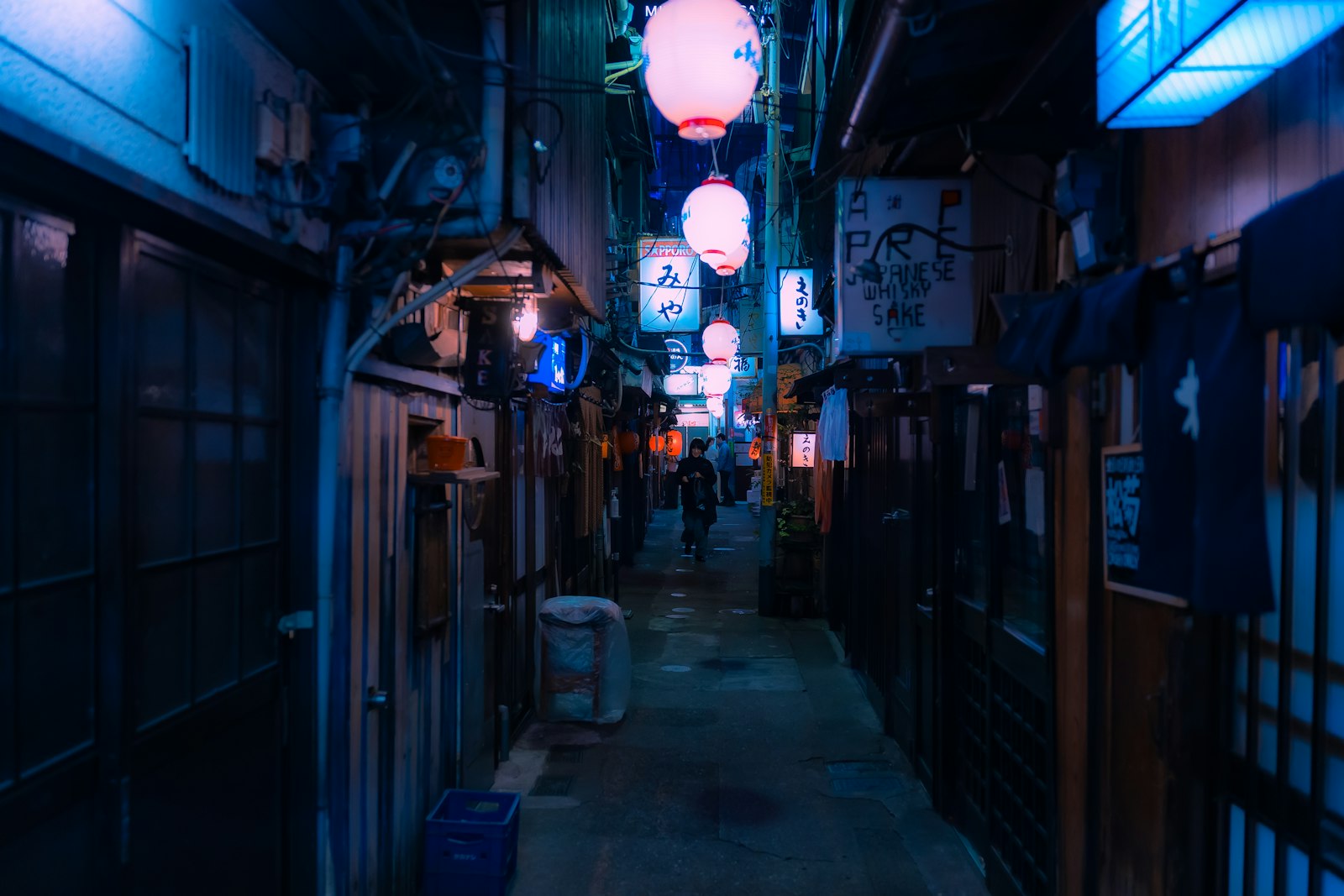
Yokocho are narrow alleys packed with tiny bars and eateries. According to Tokyo’s official tourism site, many bars in Shinjuku Golden Gai seat only five or six people at a time, and many are themed around a specific interest. Seat charges are common, and some bars are regulars-only.
Whisky and Cocktail Bars
Japan’s bartending craft has an international reputation. These overlap with shot bars and authentic bars — expect careful service, quiet rooms and per-glass pricing.
Dining Bars
A modern hybrid that serves Western-style food with cocktails and wine. Comfortable for groups who want a sit-down meal in a bar atmosphere.
Girls Bars and Hostess Clubs
These are entertainment venues, not regular bars. Girls bars have staff serving and chatting across the counter; hostess clubs (kyabakura) seat staff with you and charge by time, with extra fees for drinks you buy for them. They are legal, but costs climb quickly, and touts in entertainment districts are a known risk. Never follow a street tout into one.
Themed and Music Bars
Jazz bars, record bars, anime bars, darts bars — Japan has a bar for nearly every hobby. Small music bars often have a cover charge, especially on live nights.
Which Type of Bar Should You Choose?
- First night in Japan, low budget: Start at a tachinomi. Cheap, fast, zero risk, and a great window into everyday drinking culture.
- You love whisky or cocktails: Head to a shot bar or authentic bar and sit at the counter.
- You want to meet locals: A snack bar is the most social format — ideally with someone who can introduce you.
- You want dinner and drinks together: Go to an izakaya.
- You want atmosphere above all: Explore a yokocho alley, but check the door for charges and “regulars only” signs.
- You are curious about hostess-style venues: Research the price system first and go to an established venue directly, never via a tout.
Basic Etiquette Across All Types of Bars in Japan
- Ask about charges before ordering. It is normal, not rude.
- Carry cash. Small bars, standing bars and snacks often don’t take cards.
- Don’t tip. Tipping is not expected; the seat charge covers service.
- Order at least one drink per person. A seat is the bar’s income.
- Keep your voice down in small rooms. A loud group can change the whole mood.
- Check the smoking status. Since Japan’s indoor smoking rules tightened in April 2020, some small bars allow smoking and others don’t — look for the sign at the door.
- Say thank you when you leave. “Gochisōsama deshita” is the classic farewell.
FAQ: Types of Bars in Japan
What is the most common type of bar in Japan? The izakaya is the most common drinking venue overall. Among bars proper, small counter bars — including snack bars and shot bars — are everywhere, especially near train stations.
What is the difference between a tachinomi and an izakaya? A tachinomi is usually a standing bar with no seats, quick turnover and pay-as-you-go pricing. An izakaya is a sit-down pub-restaurant with a larger food menu and, usually, an otoshi charge.
Is a snack bar the same as a hostess bar? No. At a snack bar, the mama and staff talk with you across the counter in a casual, neighborly setting. Hostess clubs seat staff beside you and charge for their time.
What does “shot bar” mean in Japan? It means a bar where you order drinks by the glass, not a bar specializing in shots. Whisky is often the specialty.
Do Japanese bars charge a cover fee? Many do. Izakaya usually charge an otoshi, counter bars may add a seat charge, and snack bars use a time-based set. Standing bars are the main exception.
What do you do in Tokyo After 10?
Join our Tokyo Nightlife Private Tour
You deserve better than overpriced bars and missed opportunities. We’re here for you.
Skip the Guesswork: Experience Japan’s Bars With a Local
Knowing the types of bars in Japan is one thing. Finding the welcoming snack behind an unmarked door, or the standing bar where regulars will actually talk to you, is another — and that’s the part guidebooks can’t do for you.
If you’d rather spend your night drinking than decoding door signs, our Tokyo After 10 nightlife private tour takes you through standing bars, alley counters and local hangouts with a guide who knows the owners, the prices and the etiquette. You get the real local night without the overcharge risk, and you’ll leave knowing exactly which kind of bar to head back to on your own.