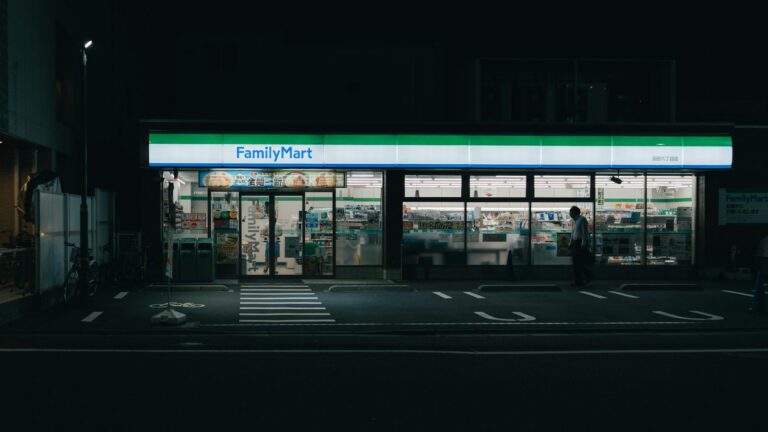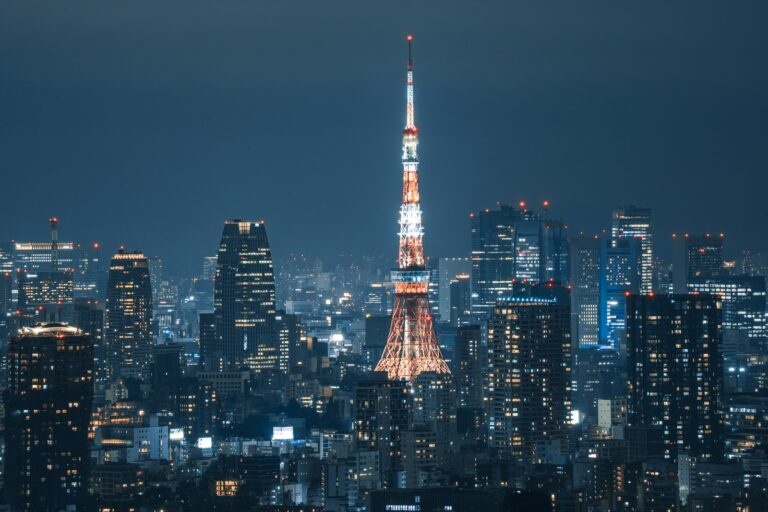
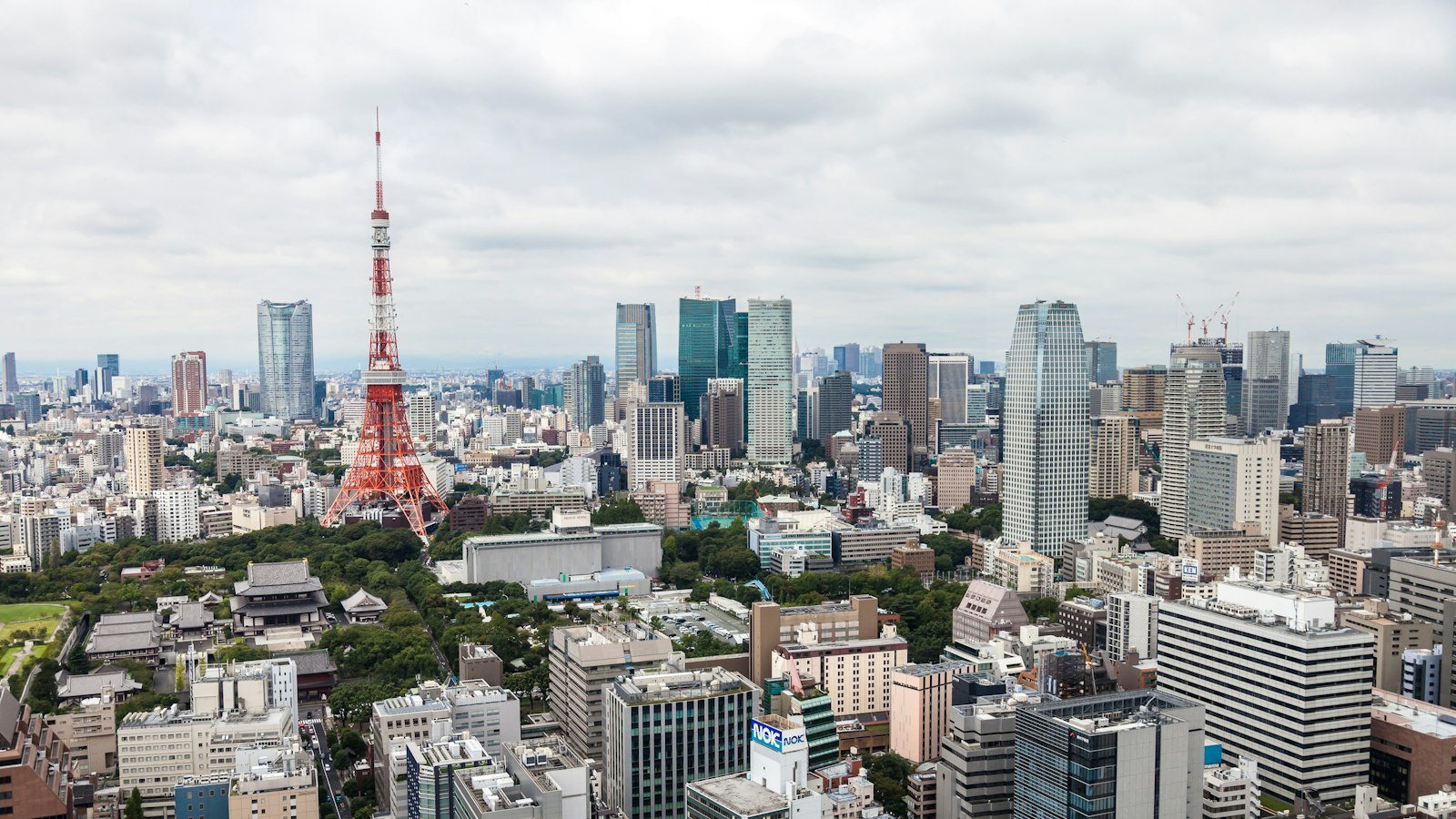
Photo by <a href="https://unsplash.com/@dotzero?utm_source=tokyodeepnightlife&utm_medium=referral">dotzero</a> on <a href="https://unsplash.com/?utm_source=tokyodeepnightlife&utm_medium=referral">Unsplash</a>
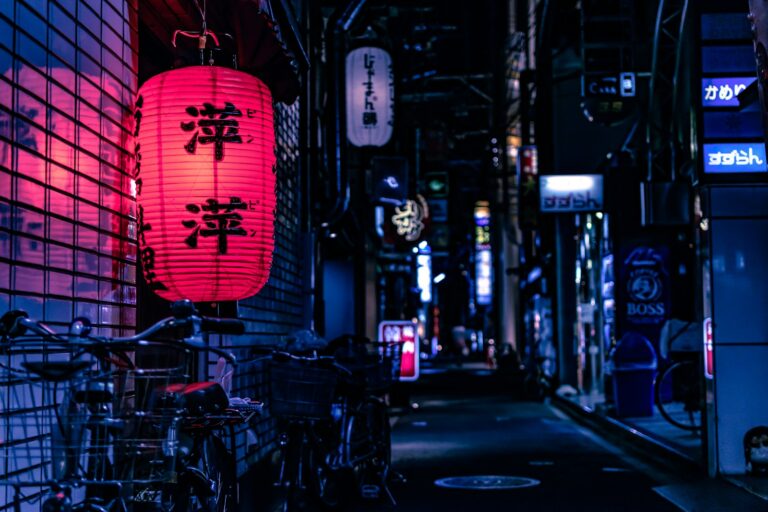
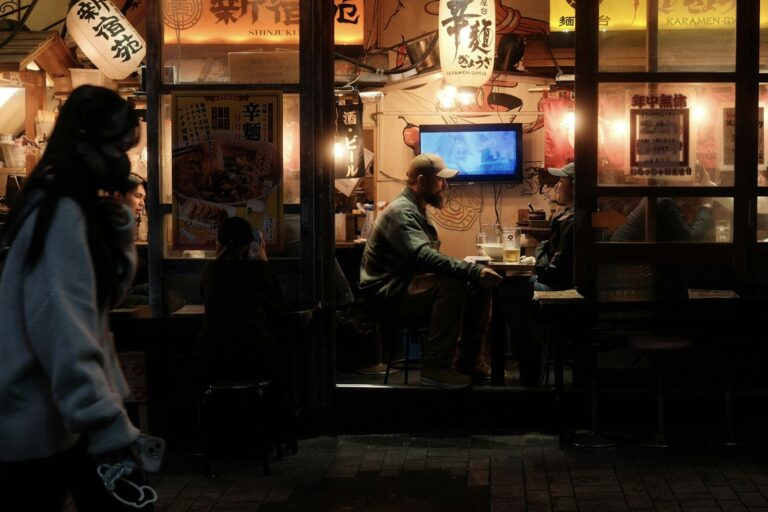
Your trip dates rarely line up with Friday and Saturday, so a fair question is whether Tokyo nightlife on weekdays is worth going out for. In most of the city it is. Tokyo runs on after-work drinking, and the izakaya, standing bars and back alleys fill up on a Tuesday the same as on a Saturday. The crowd is different: more office workers in suits, fewer tourists in queues.
What does change midweek is the club scene and a handful of late-night venues, many of which open only from Wednesday or Thursday. This guide covers where the energy is from Monday to Thursday, which places close or slow down early in the week, and how to plan a weeknight that doesn’t end at 10pm in an empty bar.
Contents
- How Tokyo Nightlife on Weekdays Is Different from the Weekend
- Monday to Thursday: A Night-by-Night Guide to Tokyo’s Weeknight Nightlife
- Where to Go: The Best Areas for Tokyo Nightlife on Weekdays
- Shinbashi and Yurakucho: the after-work drinking capital
- Shinjuku Golden Gai and Omoide Yokocho: small bars, real conversation
- Ebisu Yokocho: a lively indoor alley
- Ginza: grown-up bars that run on weekday trade
- Shibuya and Roppongi: check before you go
- Looking for Adult Entertainment Services in Tokyo? Download this
- Weeknight Activities That Don’t Depend on a Crowd
- Tips for Tokyo Nightlife on Weekdays
- What do you do in Tokyo After 10?Join our Tokyo Nightlife Private Tour
- Make the Most of a Weeknight with a Local Guide
- About the Author
How Tokyo Nightlife on Weekdays Is Different from the Weekend
The short version: weeknights in Tokyo start earlier and end earlier.
- The rush comes after work. From about 6pm to 9pm, drinking districts near office areas are packed. Colleagues head out together, and many people stop for one or two drinks before the train home.
- Most people catch the last train. Late trains generally run until somewhere between midnight and 1am, depending on the line, and on a weeknight most locals make sure they’re on one. By about 11:30pm, many izakaya areas have thinned out.
- Clubs are a weekend thing. Friday and Saturday are the big club nights. Some clubs open midweek, but plenty are closed from Sunday to Tuesday.
- Fewer queues, more conversation. In Tokyo’s tiny bars, a quiet Tuesday often makes for a better night than a packed Saturday. The bartender has time to talk, and so do the regulars.
If you pick the right type of venue for the night, Tokyo nightlife on weekdays can easily beat the weekend.
Monday to Thursday: A Night-by-Night Guide to Tokyo’s Weeknight Nightlife
Monday: the quietest night, so keep it simple
Monday is the slowest night of the week. Some small bars take Sunday and Monday off, and the energy in most districts is low-key. It’s a good night for:
- A long izakaya dinner in a business district, where after-work crowds still turn up.
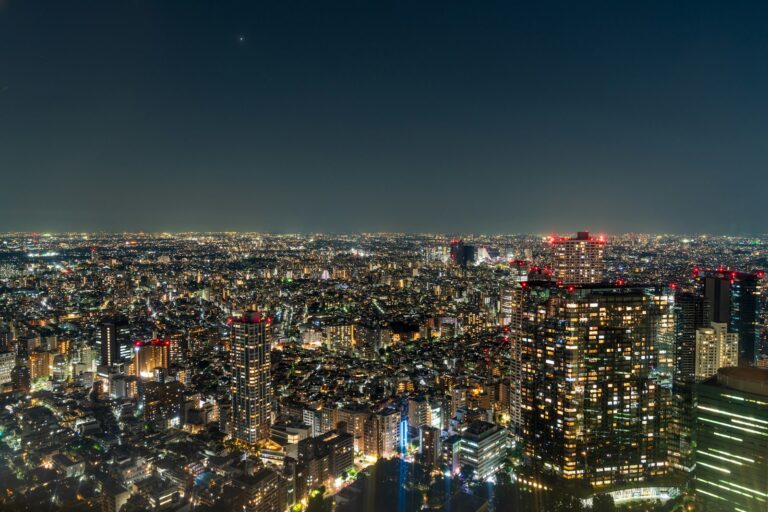
- A night view. Most observation decks don’t care what day it is, so Monday is a good night to go up high (more on this below).
- Karaoke. Private karaoke rooms run every night, and you won’t be fighting a weekend crowd for a room.
Tuesday: watch for Tuesday closures
Tuesday is still quiet, and a few places run shorter hours. A useful example: the Mori Art Museum in Roppongi Hills usually stays open until 22:00, but closes at 17:00 on Tuesdays. If a late museum visit is on your list, don’t plan it for Tuesday.
Small bars and izakaya are a safer bet. A Tuesday visit to the yokocho alleys is relaxed, and you’ll usually find a seat.
Wednesday: clubs start waking up
Midweek is when parts of the club scene start up again, and Tokyo nightlife on weekdays begins to feel busier. Zouk Tokyo in Ginza (B2F–B3F, Granbell Square, 7-2-18 Ginza) is a good example: according to its official site, it opens 22:00–4:00 on Wednesdays and Thursdays, and closes Sunday to Tuesday. Weeknight club events are usually cheaper than Friday or Saturday headliner nights, though the crowd is thinner.
Thursday: the unofficial start of the weekend
Thursday is when Tokyo starts to loosen up. Office parties and Thursday drinks bring bigger crowds to the main districts, more clubs are open, and bars stay busy later. If you only have one weeknight to go big, make it Thursday.
Where to Go: The Best Areas for Tokyo Nightlife on Weekdays
Shinbashi and Yurakucho: the after-work drinking capital
If you want to see the weekday drinking culture at its most typical, go to Shinbashi. It’s the classic salaryman district, and from early evening the izakaya and standing bars under and around the JR tracks fill up with office workers loosening their ties. Head out the Karasumori Exit of Shinbashi Station for the alleys under the tracks.
The under-the-tracks (gado-shita) drinking strip runs between Shinbashi and Yurakucho, so you can walk from one to the other and stop along the way. For a full walkthrough, see our Shinbashi drinking guide to gado-shita and salaryman izakaya.
Weeknight tip: Arrive by 7pm. This area is at its best right after work, and it empties earlier than Shinjuku or Shibuya.
Shinjuku Golden Gai and Omoide Yokocho: small bars, real conversation
Golden Gai is a few lanes packed with tiny bars, many of which seat only a handful of people. That makes it ideal on a weeknight. On a Saturday you can struggle to get through a door, but on a Tuesday or Wednesday you can often sit down and talk to the bartender.
Some practical points:
- Avoid Sunday, and check Monday. Many Golden Gai bars close on Sundays, and some take other days off too. Tuesday to Thursday is a reliable window.
- Expect a cover charge. Many bars charge a seating fee, commonly somewhere around ¥500–¥1,500, though some charge nothing. Check the sign on the door before you go in.
- Bring cash. Many bars in the area don’t take cards.
Our complete Golden Gai guide covers etiquette and how to pick a bar.
Ebisu Yokocho: a lively indoor alley
Ebisu Yokocho is a covered alley of around 20 small food and drink stalls, packed close together so you end up chatting with strangers. Each stall sets its own hours, but things generally get going from around 5pm, which makes it a good place to start an evening after work. It’s one of the more lively weeknight spots in the Shibuya–Ebisu area.
Ginza: grown-up bars that run on weekday trade
Ginza’s bars and lounges depend on business clients, so Monday to Thursday is their normal working week, not a slow patch. It’s a good weeknight choice if you prefer a cocktail at a counter to a beer in a crowd. If you’re out for a dance, this is also where Zouk Tokyo is (open Wednesday and Thursday).
Shibuya and Roppongi: check before you go
Shibuya and Roppongi are the big weekend districts, so weeknights there vary more. The bars and restaurants are open, but the clubs and large venues are at their liveliest from Thursday onward. If clubbing is the main goal, check the event schedule for the venue you want before you go.
Looking for Adult Entertainment Services in Tokyo? Download this
I’ve spent over a decade exploring and studying Japan’s adult entertainment scene firsthand. If you’d like detailed insider information—including how to choose the right shop, what services are available, and tips for avoiding common mistakes—check out our exclusive E-book.
Weeknight Activities That Don’t Depend on a Crowd
Some of the best parts of Tokyo nightlife on weekdays have nothing to do with crowds, and are just as good with fewer people around.
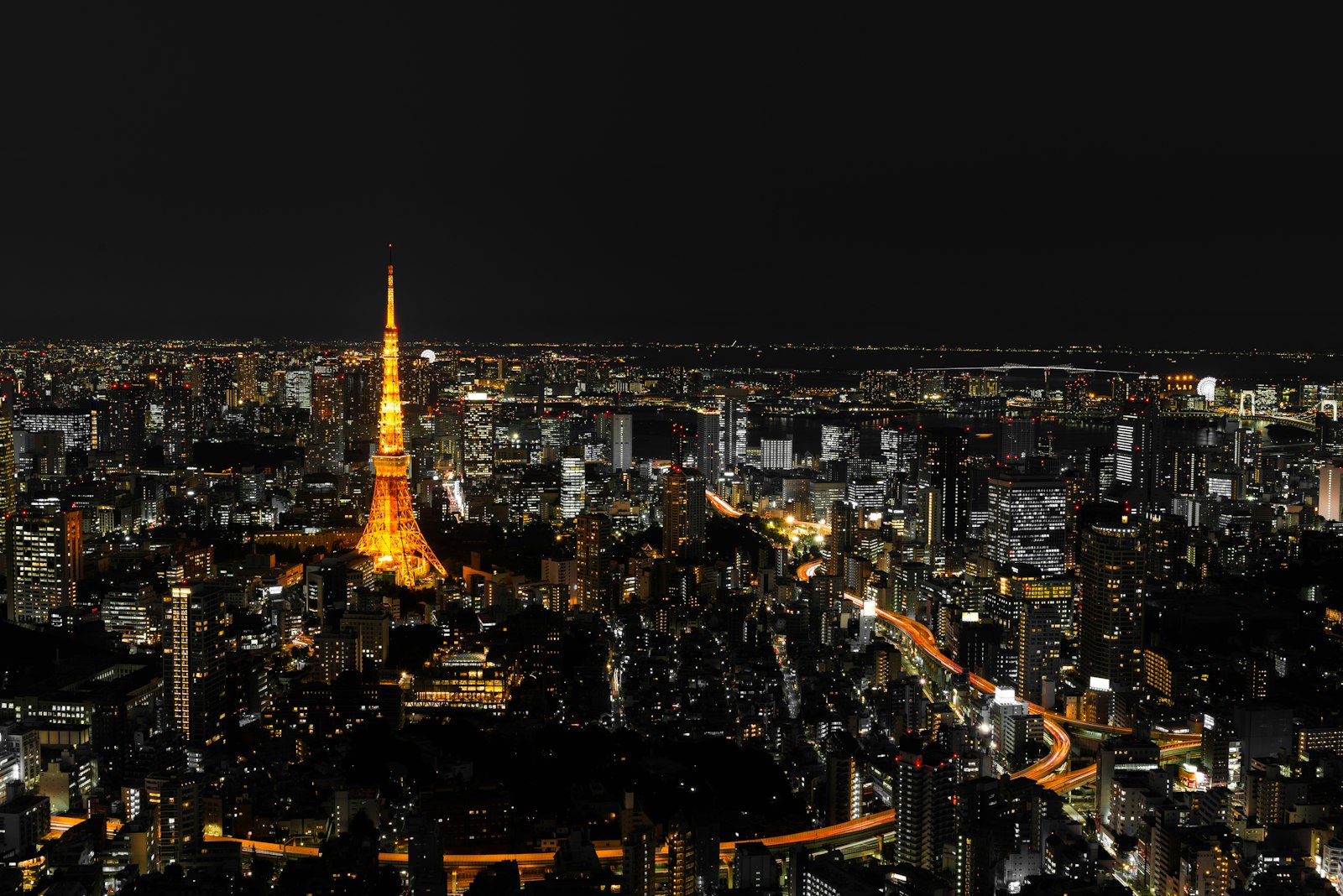
Night views from above the city
- Shibuya Sky (Shibuya Scramble Square): open until 22:30, with last admission at 21:20, according to the Tokyo tourism board. Weekday evenings are usually easier to book than weekend sunset slots.
- Tokyo Metropolitan Government Building, Shinjuku: the observation deck is free to enter. Hours differ between the decks and can change, so check before you go.
- Tokyo City View / Mori Art Museum, Roppongi Hills: open late on most nights, but remember the Tuesday 17:00 close for the museum.
For current hours and more viewpoints, see Tokyo’s official travel guide, GO TOKYO.
Live jazz
Tokyo’s jazz scene runs all week. Blue Note Tokyo in Minami-Aoyama usually plays two sets a night, so a weekday show followed by a late drink makes an easy evening. Start times vary by performer, so check the schedule on its official site. For smaller, more intimate places, our guide to jazz bars in Tokyo lists verified spots.
Karaoke
Karaoke chains rent private rooms by the hour, and weeknights are when you’re least likely to wait for a room. It’s also a useful backup if the bars around you are emptying out at 11pm.
Tips for Tokyo Nightlife on Weekdays
- Start early. On a weeknight, 7pm is prime time. If you show up at 10pm expecting the night to just be starting, you’ll find many places winding down.
- Know your last train. Many lines stop running between midnight and 1am, and your transfer line may stop first. Read our Tokyo last train guide before you head out.
- Check day-by-day closures. Small bars often close one or two days a week, commonly Sunday or Monday. Check the venue’s social media or Google listing on the day.
- Carry cash. Many alley bars and small izakaya are still cash-only, and a cover charge is normal.
- Pick one area per night. Tokyo is huge. On a short weeknight, staying in one neighborhood gives you more time to drink and less time on the train.
What do you do in Tokyo After 10?
Join our Tokyo Nightlife Private Tour
You deserve better than overpriced bars and missed opportunities. We’re here for you.
Make the Most of a Weeknight with a Local Guide
The harder part of Tokyo nightlife on weekdays is knowing which places are open. It’s not that the city is quiet. A bar that’s packed on Thursday may be shut on Monday, and the best counters in Golden Gai or Shinbashi don’t advertise in English.
That’s where a local guide helps. On our Tokyo After 10 nightlife private tour, a guide who drinks in these neighborhoods every week takes you to the bars that are open and busy that night, handles the Japanese, and makes sure you’re never the only customer. It’s an easy way to turn a “quiet” Tuesday into one of the best nights of your trip.