Photo by <a href="https://unsplash.com/@mosdesign?utm_source=tokyodeepnightlife&utm_medium=referral">mos design</a> on <a href="https://unsplash.com/?utm_source=tokyodeepnightlife&utm_medium=referral">Unsplash</a>
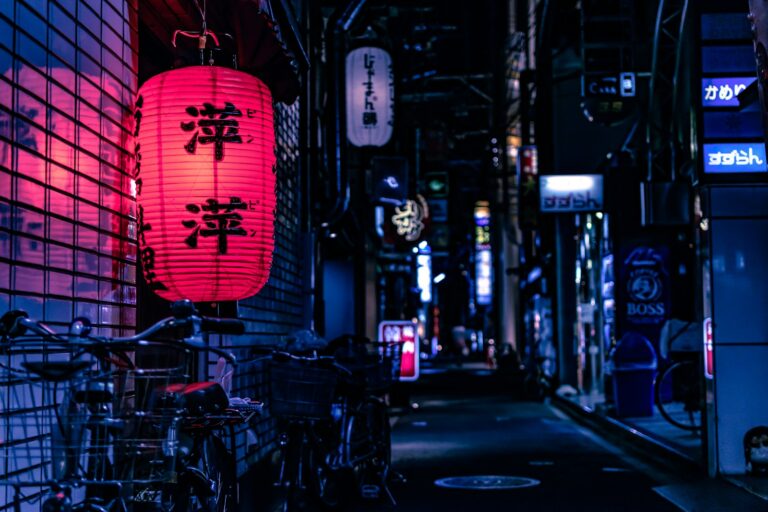
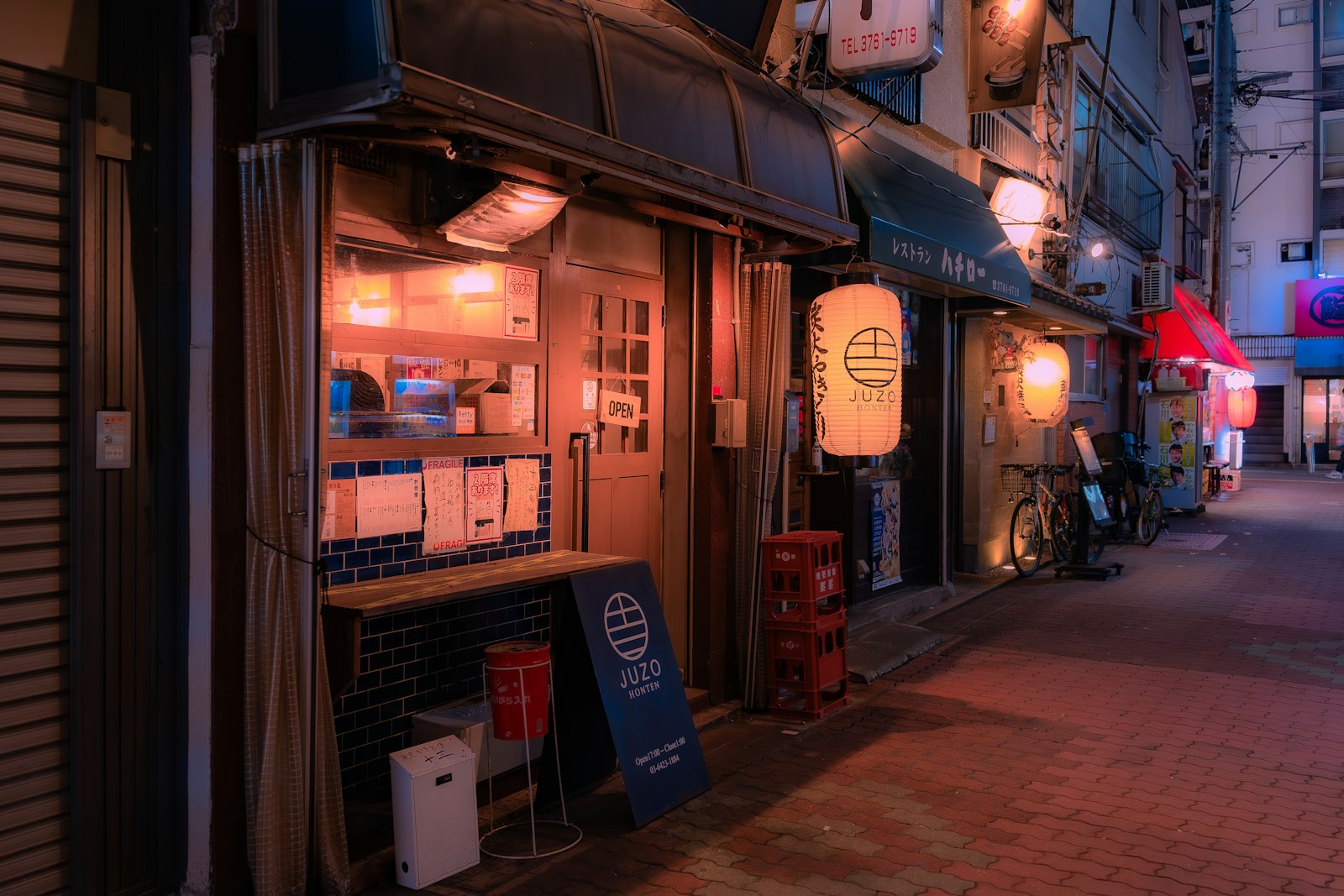
You’ve found the perfect eight-seat bar down a lantern-lit alley, the bartender pours you a highball, and then you notice it: no card reader anywhere. If you’re wondering whether cash only bars in Tokyo take a credit card, the honest answer is “it depends on the bar,” and the bars most worth visiting are often the ones that don’t. This guide covers which bars accept cards, which are still cash-only, how much yen to carry and where to get it late at night.
The short version: Tokyo is far more cashless than it was a few years ago, but its small independent bars are the last holdouts. Carry cash, ask before you order, and you’ll never get stuck.
Contents
- Is Tokyo Still a Cash-Only City?
- Do Tokyo Bars Take Credit Cards? A Venue-by-Venue Breakdown
- Why So Many Small Tokyo Bars Are Still Cash Only
- How to Check Before You Order
- How Much Cash to Carry for a Night Out in Tokyo
- Where to Get Cash in Tokyo at Night
- Alternatives to Cash and Credit Cards
- Golden Gai: The Classic Cash-Only Bar District
- Cash Only Bars in Tokyo: Credit Card Mistakes to Avoid
- What do you do in Tokyo After 10?Join our Tokyo Nightlife Private Tour
- Let a Local Handle the Bill Logistics
- About the Author
Is Tokyo Still a Cash-Only City?
Not anymore, at least not in general. Japan’s Ministry of Economy, Trade and Industry (METI) reported that cashless payments reached 58.0% of household spending in 2025, a record high, and credit cards make up the large majority of that. Convenience stores, department stores, chain izakaya, hotels and big-name cocktail bars all take cards as a matter of routine.
The catch is that the cashless shift has been uneven. Card terminals mean fees and setup costs. For a bar with six stools run by one owner for thirty years, cash is still the simplest way to do business. That’s why the question isn’t “does Tokyo take cards?” but “does this bar take cards?” Most cash only bars in Tokyo take no credit card at all, and they rarely apologize for it.
Do Tokyo Bars Take Credit Cards? A Venue-by-Venue Breakdown
Here’s how it typically plays out across the kinds of places you’ll drink at night. These are general patterns, not rules, so always check at the door.
Usually card-friendly
- Hotel bars and well-known cocktail bars. High-end bars in Ginza, Roppongi and inside hotels almost always take major cards.
- Chain izakaya and pubs. National chains have card terminals and often accept IC cards like Suica too.
- Larger nightclubs. Big clubs generally take cards at the entrance and the bar, though foreign-issued cards can occasionally be declined.
- Craft beer bars and newer venues. Places opened in the last few years tend to be set up for cashless payment from day one.
Often cash-only
- Golden Gai and yokocho micro-bars. Most of the tiny bars in Shinjuku’s Golden Gai and similar alleys are cash only. Many don’t take Suica either.
- Standing bars (tachinomi) and kakuuchi. Cheap and cheerful, and usually cash. Some have you pay for each drink as it arrives.
- Snack bars and old-school counters. Owner-run “snack” bars and older neighborhood spots frequently stick to cash.
- Yatai-style stalls and festival stands. Expect cash.
The gray zone
Plenty of small bars now accept QR code payments such as PayPay but not credit cards. Others take cards only above a minimum spend. Some take Visa and Mastercard but not American Express. A logo sticker on the door is a helpful hint, but JNTO notes that some stores don’t display card logos at all, so asking is the only reliable test.
Why So Many Small Tokyo Bars Are Still Cash Only
Understanding the “why” helps you read a bar before you walk in.
First, margins. A bar seating eight people can’t absorb card processing fees the way a 200-seat chain restaurant can. Second, habit. Many owners have run the same counter for decades, and their regulars have always paid in cash. Third, simplicity. A bill at a small bar is often a single handwritten total, and some bars can’t split one bill across several credit cards even when they do take cards.
None of this is aimed at tourists. The same rule applies to the salaryman sitting next to you.
How to Check Before You Order
The most useful habit you can build is checking payment before your first drink, not after your fifth. Once you’ve been served, you’re expected to pay. Here’s what to look for and say.
- Look at the door. Many bars post their cover charge and payment options on the entrance. A handwritten “現金のみ” (genkin nomi) means cash only.
- Look for logos. Visa, Mastercard, JCB or PayPay stickers near the register are a good sign, but not a guarantee.
- Ask directly. “Kādo daijōbu desu ka?” (Is a card OK?) works almost everywhere. Pointing at your card with a questioning look works too.
- Ask about fees. Some nightlife venues add a surcharge for card payment. If you’re somewhere with a set-price “system,” ask what the total will be by card versus cash.
That last point matters most in entertainment districts. Our guide to preventing bottakuri rip-offs in Kabukicho explains why agreeing on the full price up front is the single best defense against a nasty bill.
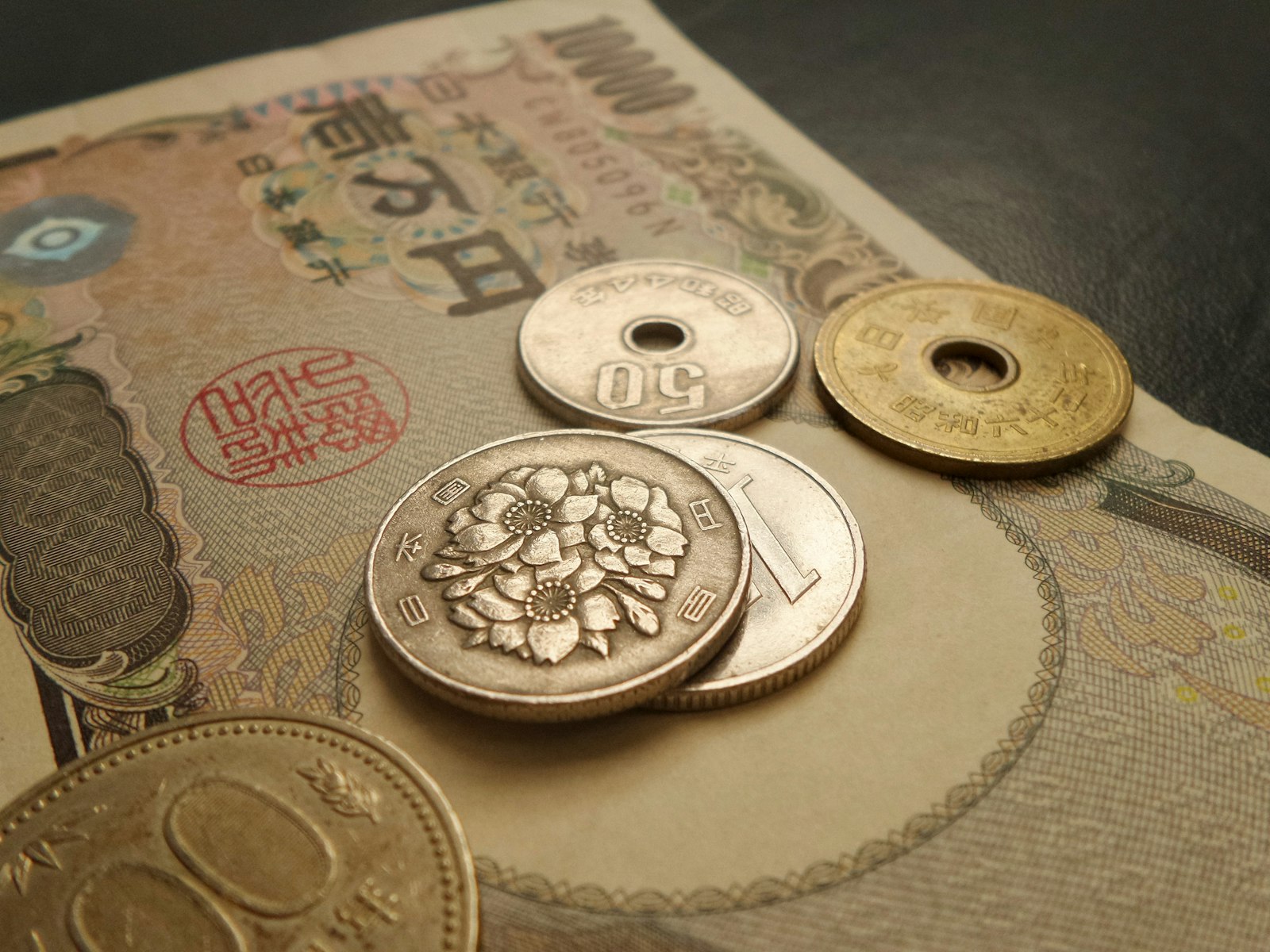
How Much Cash to Carry for a Night Out in Tokyo
There’s no single right number, but a rough plan helps. Small bars typically charge a cover or otoshi (a small appetizer served with your first drink). One Tokyo bar guide puts the usual otoshi at about ¥200–500 per person, while higher-end bars may charge a seating fee of up to ¥2,000. In Golden Gai, guides commonly cite cover charges in the ¥500–1,500 range. If you’re confused by that line on your bill, our explainer on what the otoshi charge at Japanese bars actually is breaks it down.
Add drinks on top of that, and a sensible baseline looks like this:
- A relaxed night at one or two small bars: carry at least ¥10,000 in cash.
- A proper bar crawl through Golden Gai or a yokocho: ¥15,000–20,000 covers most people comfortably.
- Emergency reserve: keep an extra ¥5,000 tucked away for a taxi or a bar that surprises you.
Break your ¥10,000 notes before you go. Tiny bars can usually make change, but handing over a ¥10,000 note for a ¥1,500 bill late at night isn’t ideal. Convenience store purchases are an easy way to get smaller bills. For a fuller budget picture including clubs and late-night food, see how much money you need for Tokyo nightlife.
Looking for Adult Entertainment Services in Tokyo? Download this
I’ve spent over a decade exploring and studying Japan’s adult entertainment scene firsthand. If you’d like detailed insider information—including how to choose the right shop, what services are available, and tips for avoiding common mistakes—check out our exclusive E-book.
Where to Get Cash in Tokyo at Night
Running out of yen at 11pm is less of a problem than it sounds, as long as you know which ATMs work with foreign cards.
Seven Bank ATMs (inside 7-Eleven)
These are the most reliable option for travelers. According to Seven Bank’s own site, Visa and Mastercard withdrawals are available 00:00–24:00, the screen can be switched to English and several other languages, and the limit for a single withdrawal on a foreign card is ¥100,000 (¥30,000 for magnetic-stripe-only cards). Brief maintenance windows can occur. Since there’s a 7-Eleven on nearly every corner of Shinjuku, Shibuya and Roppongi, this is your safety net.
Japan Post Bank ATMs
JNTO lists post office ATMs, along with 7-Eleven, as among the most consistently friendly toward foreign cards. They’re a good backup, but post office ATM hours are shorter than convenience store ones, so don’t count on them late at night.
Tips for smoother withdrawals
- Tell your bank you’re traveling so your card isn’t blocked for “unusual activity.”
- Choose to be charged in yen if the ATM or card terminal offers a currency conversion. Dynamic currency conversion usually comes with a worse rate.
- Withdraw larger amounts less often if your bank charges a flat fee per transaction.
- Bring two cards from different networks in case one is declined.
Alternatives to Cash and Credit Cards
If you’d rather carry as little cash as possible, these options fill some of the gaps.
IC cards (Suica, PASMO). They work at convenience stores, on transit and at some chain bars and restaurants. Most tiny bars won’t take them, though. Physical cards are topped up with cash at station machines, while a digital Suica in Apple Wallet can be loaded with a credit card.
Overseas QR wallets via PayPay. PayPay announced in June 2026 that merchants can now accept 35 overseas payment services from 17 countries and regions through Alipay+, covering markets that account for roughly 80% of visitors to Japan. If you use one of those wallets at home, it may work at a bar showing the PayPay sign. Note that merchants have to register separately for Alipay+, so a PayPay sticker alone doesn’t guarantee your wallet will be accepted.
Debit and prepaid travel cards. These work wherever credit cards do and at ATMs, which makes them useful for both sides of the problem.
The one thing none of these replace is a few thousand yen in your pocket. JNTO’s own guide to credit cards in Japan gives the same advice: cards are widely accepted, but carry cash for smaller shops.
Golden Gai: The Classic Cash-Only Bar District
If there’s one place where you should assume cash only, it’s Golden Gai. Its roughly 200 bars squeeze into six narrow alleys, most seat fewer than ten people, and the majority run on cash. Many post their cover charge on the door, and some don’t charge one at all.
A good routine for Golden Gai: withdraw cash at a convenience store ATM in Shinjuku before you walk in, read the sign on each door, and plan on visiting two or three bars rather than ten. For which alleys to explore and how bars treat first-timers, read our complete Golden Gai guide.
Cash Only Bars in Tokyo: Credit Card Mistakes to Avoid
A few patterns come up again and again with visitors drinking in Tokyo.
- Assuming a nice-looking bar takes cards. Some of the most polished bars in the city are cash only. Décor tells you nothing.
- Waiting until the bill to ask. By then your only options are finding an ATM while a friend waits, or an awkward conversation.
- Trying to split the bill on several cards. Small bars usually produce a single total. Settle up among yourselves in cash, or put it on one card.
- Leaving a tip. Tipping isn’t part of Japanese bar culture, and it can cause confusion. Any service or table charge is already on the bill.
- Relying on one card. Foreign cards are occasionally declined even at bars that take cards. A backup card and some cash solve this instantly.
What do you do in Tokyo After 10?
Join our Tokyo Nightlife Private Tour
You deserve better than overpriced bars and missed opportunities. We’re here for you.
Let a Local Handle the Bill Logistics
Figuring out which cash only bars in Tokyo take a credit card, which take only yen and what the cover charge will be is part of the fun of Tokyo nightlife, but it can also eat up your night. If you’d rather spend your evening drinking than reading door signs, a local guide knows which counters are welcoming, which ones take cards and how much each stop will cost before you sit down.
Our Tokyo After 10 private nightlife tour takes you through the alleys and small bars that are hard to navigate alone, with a guide who handles the ordering, the etiquette and the payment questions. You just bring your curiosity and a little yen.