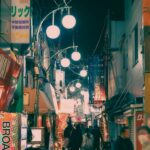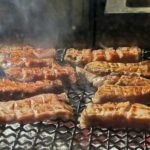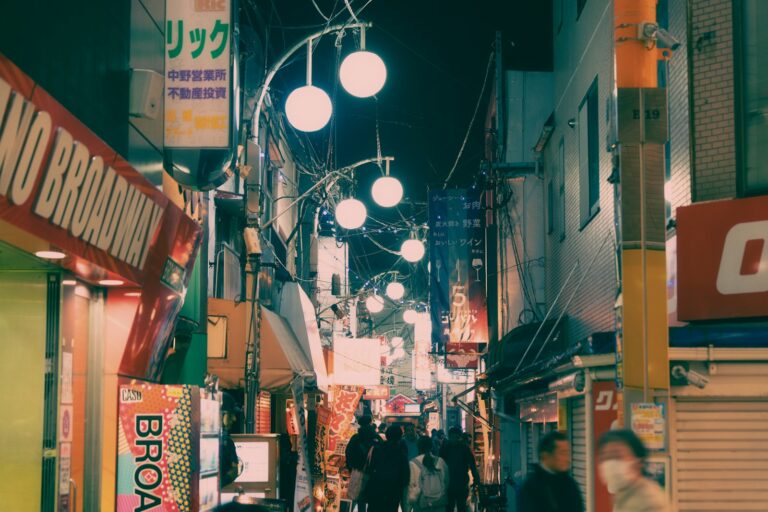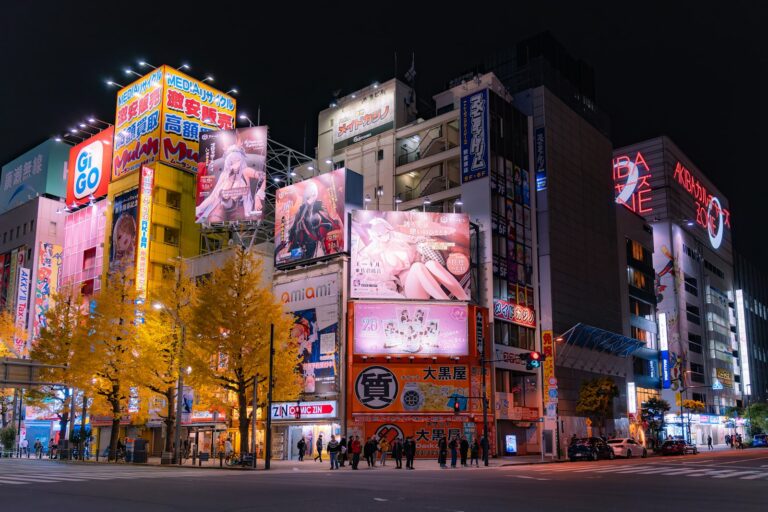
Photo by <a href="https://unsplash.com/@mosdesign?utm_source=tokyodeepnightlife&utm_medium=referral">mos design</a> on <a href="https://unsplash.com/?utm_source=tokyodeepnightlife&utm_medium=referral">Unsplash</a>
Tokyo has a reputation as an expensive city, and a cocktail in a hotel lounge can easily cost more than your dinner. But the city also has some of the best-value drinking in Asia, if you know where to look. Tokyo cheap bars come in several forms: flat-price chains, standing bars, happy-hour pubs, and liquor shops that pour drinks at the counter. In most of them, a few drinks will cost you less than a single cocktail in Roppongi.
This guide covers the types of cheap bars in Tokyo that actually save you money, the chains whose prices we checked for late 2026, and the hidden charges that turn a “cheap” night into an expensive one. Most budget guides online are years old, and Tokyo prices have risen several times since 2023. Here’s what drinking on a budget looks like now.
Contents
- How Much Does a Drink Cost in Tokyo?
- The Best Types of Tokyo Cheap Bars
- Best Neighborhoods for Cheap Bars in Tokyo
- Hidden Costs That Make Cheap Bars Expensive
- 8 Tips to Drink Cheaply in Tokyo
- Are Tokyo Cheap Bars Good for Tourists?
- What do you do in Tokyo After 10?Join our Tokyo Nightlife Private Tour
- Skip the Guesswork on Your Night Out
- About the Author
How Much Does a Drink Cost in Tokyo?
Before hunting for Tokyo cheap bars, it helps to know what “normal” looks like. Prices vary hugely by type of venue:
- Convenience store (konbini): Cans of beer and chuhai are the cheapest drinks in the city, by a wide margin.
- Chain izakaya and flat-price chains: Most drinks sit in the few-hundred-yen range.
- Standing bars (tachinomi): Often the cheapest sit-down-quality drinks you’ll find, with no seat charge.
- Neighborhood bars in Shinjuku, Shibuya or Ebisu: Expect to pay noticeably more per drink, plus a possible cover charge.
- Hotel bars and high-end cocktail bars: Several times the price of a chain izakaya, often with a service charge on top.
The gap between the cheapest and the most expensive option is enormous. Choosing the right type of bar matters more than choosing the right neighborhood.
Watch the Tax Line on the Menu
Japan’s consumption tax on food and drink served in restaurants and bars is 10%. Most menus now show tax-inclusive prices (税込, zeikomi), but some still list prices before tax (税抜, zeinuki). If you see 税抜 next to the price, add 10% in your head before ordering.
The Best Types of Tokyo Cheap Bars
1. Flat-Price Chains (Everything One Price)
This is the easiest win for first-time visitors. Flat-price chains charge the same amount for every item on the menu, food and drinks alike, so there are no surprises when the bill comes.
The best known is Torikizoku (鳥貴族), a yakitori chain with branches near many major train stations. Since October 1, 2026, every item on the menu costs ¥410 including tax. That covers a draft beer, a highball and a plate of skewers. The chain raised its single price in May 2025 and again in October 2026 as ingredient and labor costs went up, so ignore older blog posts quoting ¥280 or ¥350.
Torikizoku also offers an all-you-can-eat-and-drink plan called “Toriki Bansankai” at ¥4,100. Whether that beats ordering à la carte depends on how much you drink. If you’re new to these deals, read our explainer on how nomihodai (all-you-can-drink) works in Japan before you commit.
2. Happy Hour at Pubs
Happy hour isn’t as widespread in Tokyo as in the US or UK, but the chains that do it do it well. HUB, the British-style pub chain, runs a daily happy hour at most branches from opening time until 19:00. During that window, its long cocktail list is half price, and the company has extended the discount to beer and cider in the past.
Branch hours and exactly which drinks are discounted vary, so check the specific store on HUB’s website before you go. HUB is also one of the easiest places in Tokyo for foreigners to drink: English menus are common, you order and pay at the counter, and there’s no seat charge.
The catch with any happy hour is the time limit. Plan to start early, then move on to a cheaper venue type once the discounts end.
3. Standing Bars (Tachinomi)
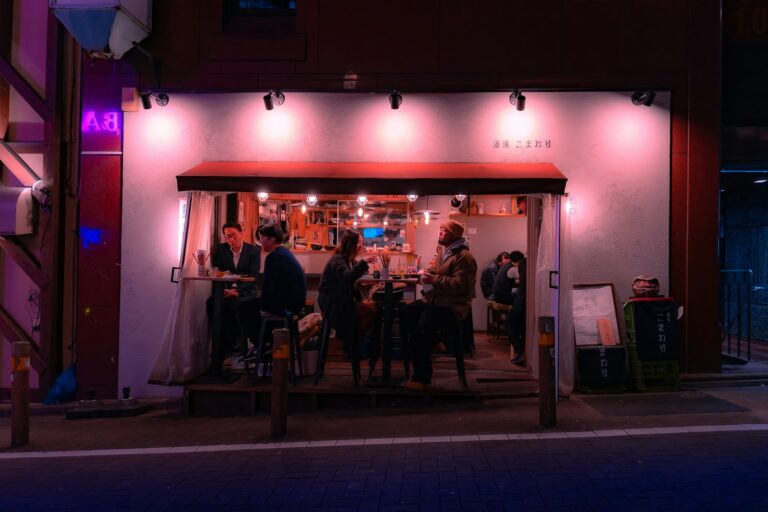
If there’s one secret to cheap drinking in Tokyo, it’s the tachinomi (立ち飲み), or standing bar. No chairs means quick turnover, low rent per customer and, usually, no table charge. You order a drink and a small snack, stay for 30 minutes to an hour, and move on.
Standing bars cluster around train stations and under the elevated tracks in areas like Shinbashi, Yurakucho and Ueno. Many are cash only and have Japanese-only menus, but pointing works fine. The Tokyo Metropolitan Government’s tourism site has a helpful introduction to standing sake bars if you want the cultural background.
For specific venues and how to order, see our tachinomi guide for foreigners, which shows how to have a full night out for around ¥1,000.
4. Ticket-System and One-Coin Bars
“One-coin” bars charge a single low price for every drink, often by having you buy tickets at the door. A long-running example is Ginza 300 Bar, a standing bar in Ginza where drinks and food are priced at one ticket each. The name comes from the ticket price, ¥300 before tax. It’s one of the few places where you can drink in Ginza without the Ginza price tag, and it opens in the late afternoon.
Ticket-system bars sometimes have entry rules, such as a minimum number of tickets per person, so read the sign at the door or ask the staff before you buy.
5. Kakuuchi: Drinking Inside a Liquor Store
Kakuuchi (角打ち) is the practice of drinking right inside a liquor shop, at a counter or standing around barrels. Because you’re essentially paying shop prices for the drink, plus a small markup, it’s one of the cheapest ways to try good sake or craft beer. It’s also a great window into older, working-class Tokyo, since many regulars are retirees and off-duty salarymen.
6. Family Restaurants and Chinese Diner Chains
Not technically bars, but locals on a budget use them as bars all the time. Saizeriya, the Italian family-restaurant chain, is famous for having some of the cheapest glasses of house wine in the country. Its house wine was left out of the chain’s October 2026 price revision. Hidakaya, a ramen and Chinese-food chain, is a classic spot for a “choi-nomi” (quick drink): a beer, a plate of gyoza and you’re done. Neither will win any atmosphere awards, but they’re useful for a cheap first drink before heading out.
Best Neighborhoods for Cheap Bars in Tokyo
Where you drink changes the price as much as what you drink. These areas consistently have the best-value bars:
- Shinbashi and Yurakucho: Salaryman territory. Izakaya and standing bars packed under the railway arches serve cheap beer to office workers after hours.
- Ueno (Ameyoko): The market street turns into an open-air drinking zone at night, with stalls and standing bars spilling onto the street. It’s cheap, loud and very easy for first-timers.
- Koenji: A few stops west of Shinjuku on the JR Chuo Line, Koenji is full of small independent bars with low prices and a laid-back, slightly bohemian crowd.
- Shimokitazawa: Live music venues, vintage shops and small bars with more modest prices than Shibuya next door.
- Akabane: A northern neighborhood known among locals for daytime drinking and cheap izakaya.
- Omoide Yokocho (Shinjuku): Tiny yakitori stalls right by Shinjuku Station. Not the cheapest in Tokyo, but cheaper than most bars in the area.
A good rule: the farther you are from the big nightlife districts like Roppongi and Kabukicho, the lower prices tend to be.
Looking for Adult Entertainment Services in Tokyo? Download this
I’ve spent over a decade exploring and studying Japan’s adult entertainment scene firsthand. If you’d like detailed insider information—including how to choose the right shop, what services are available, and tips for avoiding common mistakes—check out our exclusive E-book.
Hidden Costs That Make Cheap Bars Expensive
Low menu prices don’t always mean a low bill. Watch out for these.
The Otoshi (Seat Charge)
Many izakaya automatically serve a small appetizer called otoshi (お通し) and charge you for it, often a few hundred yen per person. It isn’t a scam. It works like a cover charge and is completely normal in Japan. But if you plan to drink one beer and leave, it can double your bill. Learn how it works in our guide to the otoshi charge at Japanese bars.
Standing bars and flat-price chains usually don’t charge otoshi, which is part of what makes them good Tokyo cheap bars.
Cover Charges at Small Bars
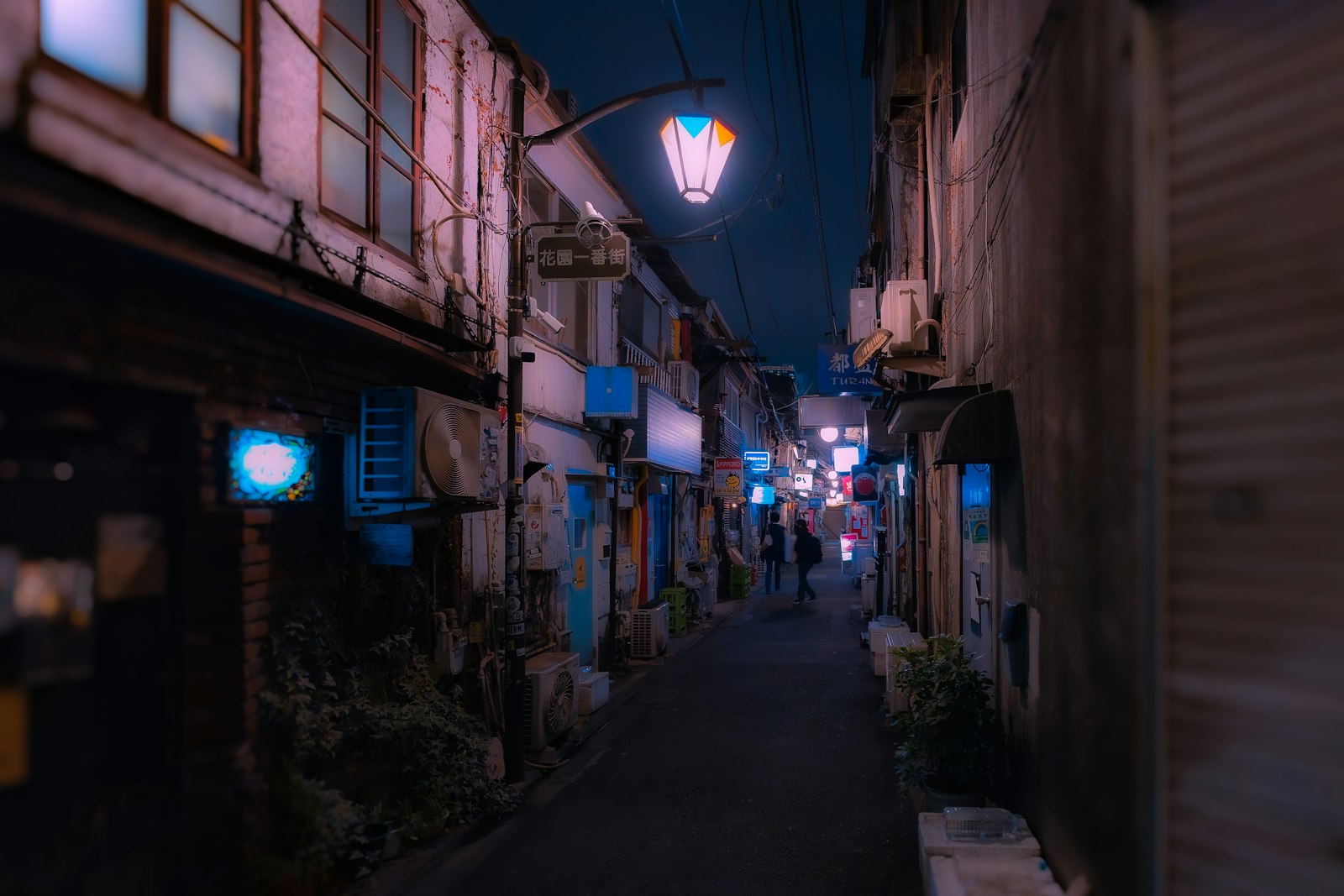
Tiny bars, like the ones in Golden Gai, often charge a cover just for sitting down. It’s usually listed on a sign by the door. If you plan to visit several small bars in one night, those charges add up faster than the drinks.
Touts and “Cheap Drink” Offers on the Street
This is the big one. If someone approaches you on the street in Kabukicho or Roppongi offering “cheap drinks” or “all you can drink, ¥3,000,” walk away. Tout-led bars are the main way tourists end up with huge bills in Tokyo. Real Tokyo cheap bars never need street touts. Our Tokyo nightlife scams and safety guide explains the common tricks and how to avoid them.
The Last Train
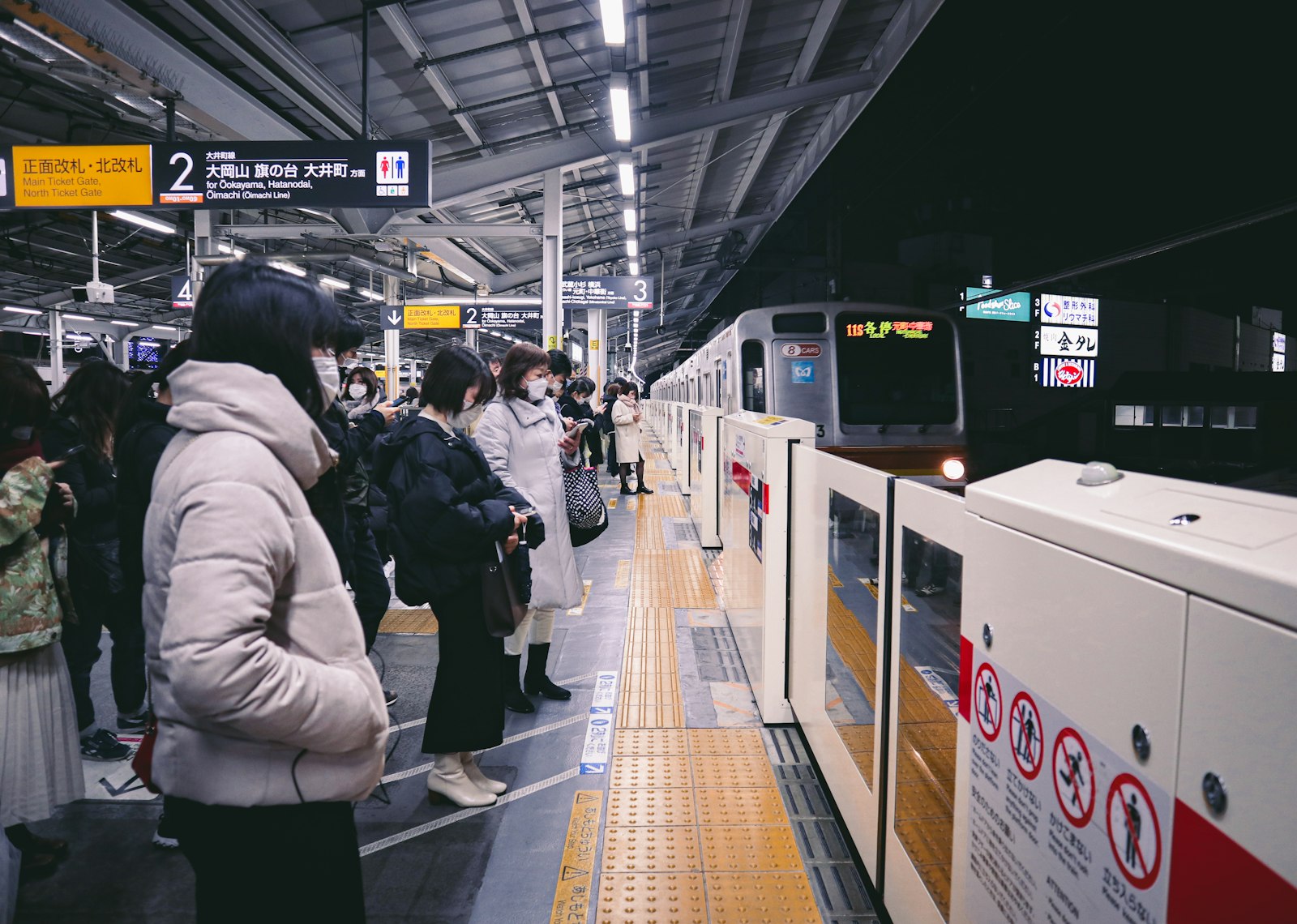
Trains in Tokyo generally stop running around midnight. Miss the last one and a taxi back to your hotel can easily cost more than your whole night of drinking. Check your last train before your second round, not after your fourth.
8 Tips to Drink Cheaply in Tokyo
- Pre-drink from the konbini. Drinking in public is legal in most of Tokyo, though some areas (like Shibuya during big events) have restrictions. Be respectful and take your empties with you.
- Start at happy hour. Hit a pub like HUB before 19:00, then switch to standing bars.
- Order highballs and chuhai. These whisky and shochu mixers are usually cheaper than beer, cocktails or imported spirits.
- Skip the otoshi trap. If you only want one drink, choose a standing bar or flat-price chain.
- Check for 税抜. Add 10% when prices are listed before tax.
- Carry cash. Many cheap bars, especially standing bars and kakuuchi, don’t take cards.
- Stay away from touts. Always choose the bar yourself.
- Bar-hop in one area. Moving between neighborhoods by taxi wipes out any savings.
Are Tokyo Cheap Bars Good for Tourists?
Yes, with a caveat. Flat-price chains and pubs like HUB are very tourist-friendly, with picture menus or English menus and simple ordering. Standing bars and kakuuchi are where the real local atmosphere is, but they can feel intimidating. Menus are often handwritten in Japanese, regulars all know each other, and the unwritten rules aren’t obvious.
That’s also why they’re worth the effort. The best cheap bars in Tokyo aren’t the ones with the lowest prices on paper. They’re the ones where a ¥500 drink comes with a conversation with the master and a recommendation for the next bar down the alley.
What do you do in Tokyo After 10?
Join our Tokyo Nightlife Private Tour
You deserve better than overpriced bars and missed opportunities. We’re here for you.
Skip the Guesswork on Your Night Out
Drinking cheaply in Tokyo is easy once you know the system: flat-price chains for safe fun, happy hour for early cocktails, standing bars for local flavor, and a firm “no” to anyone on the street promising cheap drinks.
If you’d rather spend your night drinking than reading signs you can’t decipher, a local guide can take you straight to the standing bars, yokocho alleys and small bars that most visitors walk right past. Our Tokyo After 10 nightlife private tour pairs you with a local who knows which doors to open and what to order. You’ll get the real Tokyo after dark, without the tourist markup.