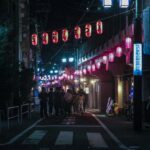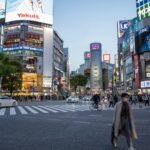
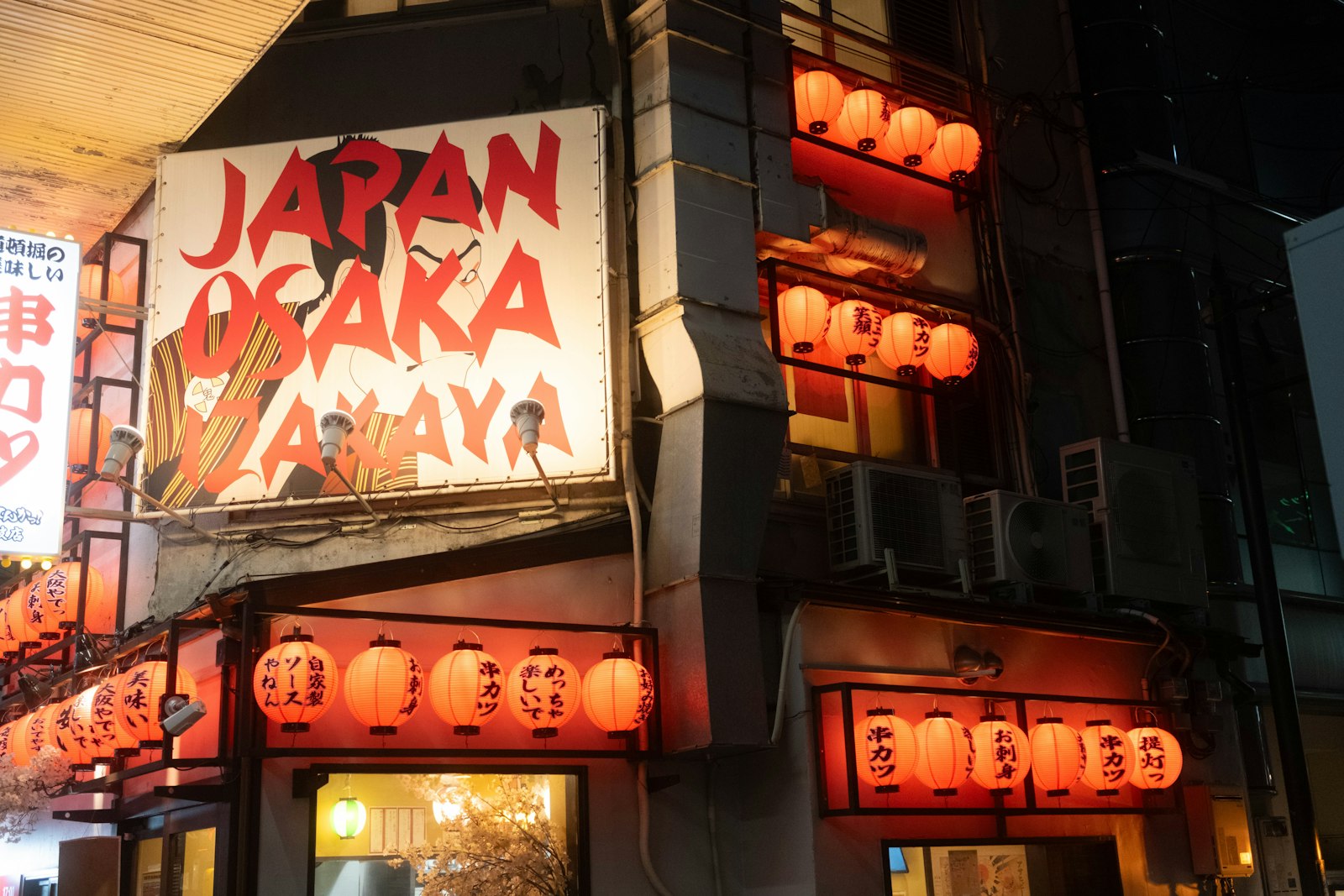
Photo by <a href="https://unsplash.com/@_may_?utm_source=tokyodeepnightlife&utm_medium=referral">Qihai Weng</a> on <a href="https://unsplash.com/?utm_source=tokyodeepnightlife&utm_medium=referral">Unsplash</a>
There is no single best neighborhood for nightlife in Tokyo — there is only the best one for the night you’re trying to have. A traveler who wants to squeeze into a six-seat bar and talk to a stranger for three hours needs a completely different train station than someone who wants a big room, a loud sound system, and dancing until the trains start again.
Most guides hand you the same four names — Shinjuku, Shibuya, Roppongi, Ginza — and leave you to figure out the rest. This one sorts them by what you actually want out of the evening, tells you roughly what each area costs, and flags the parts that will trip you up: the cash-only alleys, the street-drinking rules, and the fact that Tokyo’s trains stop before the fun does.
Contents
- The Short Answer: Tokyo’s Best Nightlife Areas by Trip Type
- Shinjuku: The Best All-Round Nightlife Neighborhood in Tokyo
- Shibuya: The Best Tokyo Neighborhood for Club Nightlife
- Roppongi: Best if You Want to Party Entirely in English
- Ginza: Best for a Slow, Serious Drink
- Shimokitazawa and Koenji: Best for Live Music and Cheap Rounds
- Ebisu and Nakameguro: Best for a Date Night
- Ueno and Asakusa: Best for an Early, Cheap Night
- The Practical Rules That Apply in Every District
- How to Pick the Best Tokyo Neighborhood for Nightlife in Under a Minute
- What do you do in Tokyo After 10?Join our Tokyo Nightlife Private Tour
- Skip the Guesswork
- About the Author
The Short Answer: Tokyo’s Best Nightlife Areas by Trip Type
| If you want… | Go to | Budget per person |
|---|---|---|
| Everything in one place, first trip | Shinjuku | ¥5,000–10,000 |
| Clubs and a young crowd | Shibuya | ¥6,000–12,000 |
| To party entirely in English | Roppongi | ¥8,000–15,000 |
| A quiet, serious drink | Ginza | ¥10,000+ |
| Live music and cheap rounds | Shimokitazawa / Koenji | ¥4,000–7,000 |
| A date night, not a bender | Ebisu / Nakameguro | ¥7,000–12,000 |
| An early night and cold beer | Ueno / Asakusa | ¥3,000–6,000 |
Budgets assume two or three drinks and something to eat. They’re planning figures, not quotes — Tokyo has a genuine ¥1,500 night and a genuine ¥50,000 night in almost every district on this list.
Shinjuku: The Best All-Round Nightlife Neighborhood in Tokyo
If you only get one night, spend it in Shinjuku. It isn’t one nightlife district — it’s three or four that happen to share the world’s busiest train station, and you can walk between them in ten minutes.
That range is the real argument for Shinjuku. You can start at a standing bar, move to a six-seat counter, and end up in a karaoke room without ever getting back on a train. No other area in Tokyo lets you change your mind that many times in one night.
Golden Gai: Tiny Bars, Big Personalities
Golden Gai is roughly 200 miniature bars packed into six narrow alleys. Most seat somewhere between four and ten people, which means the bar takes on the personality of whoever owns it — a jazz obsessive, a punk fan, a retired actor. You’re not going for the drinks. You’re going because you’ll end up in a conversation.
Two things to know before you go. Most bars here are cash only, so pull money out before you arrive. And many charge a seating fee (usually ¥500–1,000) on top of drinks, which is normal and not a scam — but it’s worth checking the sign by the door, since plenty of bars post their cover in English now. Our complete guide to Golden Gai’s bars breaks down which alleys are the friendliest for first-timers.
Omoide Yokocho: Smoke, Skewers, and Standing Room
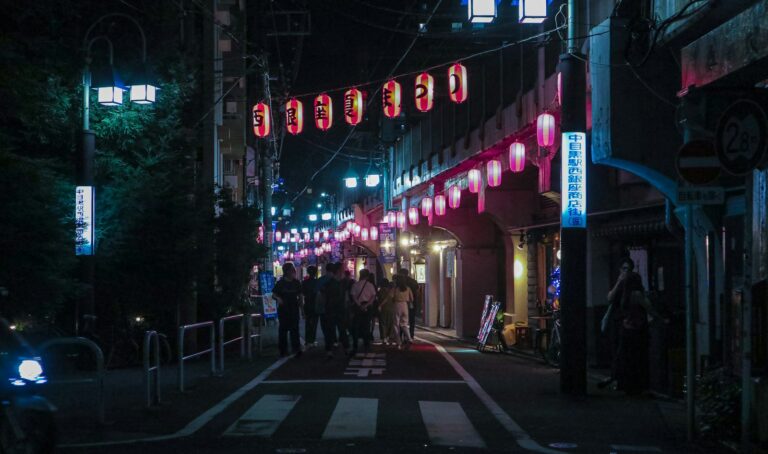
A few minutes west, under the tracks, Omoide Yokocho is the yakitori counterpart to Golden Gai — a lane of grill smoke, plastic stools, and beer that arrives in about forty seconds. It’s louder, cheaper, and easier to walk into cold. If Golden Gai feels intimidating on night one, start here.
Kabukicho: Great Energy, Real Caveats
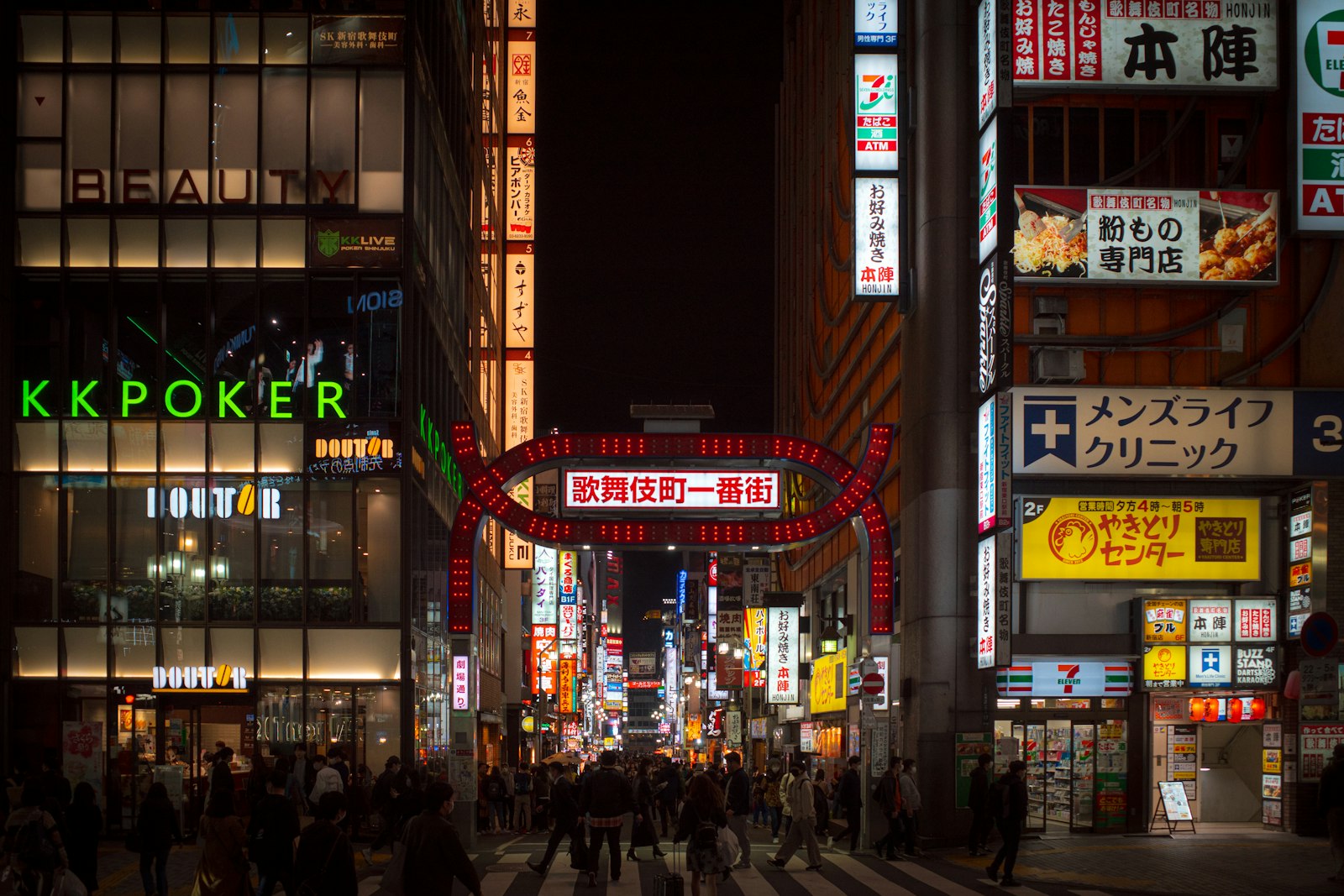
Kabukicho is Tokyo’s biggest entertainment district and the one that generates the most cautionary stories. The neon is genuinely spectacular and the area is full of perfectly ordinary izakaya, karaoke, and cinemas. The problem is a small number of touts working the main streets who steer tourists toward bars with invented charges.
The rule is simple and it works: never follow anyone who approaches you on the street. Pick your own bar, check the prices before you sit, and you’ll have a fine night. We cover the specific tactics to watch for in our Kabukicho nightlife and safety guide.
Shibuya: The Best Tokyo Neighborhood for Club Nightlife
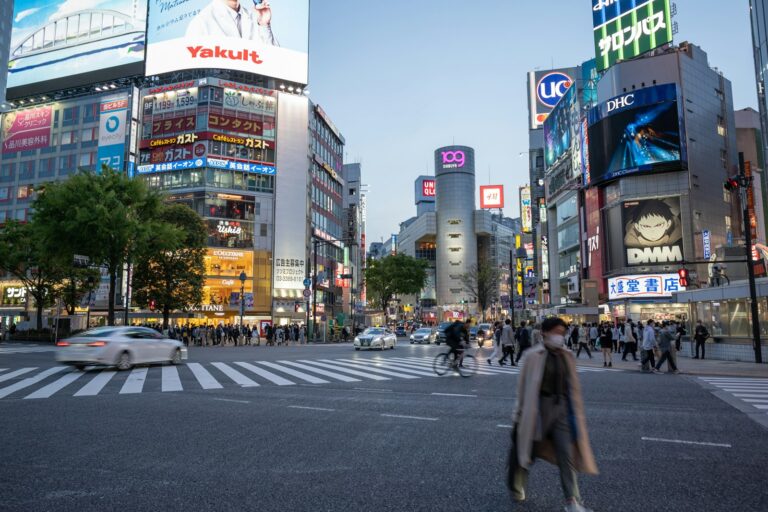
Shibuya skews about a decade younger than Shinjuku. This is where you go for clubs, big group nights, and the kind of energy that peaks at 2 a.m. rather than 10 p.m.
It also has one of Tokyo’s best-kept small-bar secrets. Nonbei Yokocho — “Drunkard’s Alley” — has been running beside the tracks since 1952 and holds around 40 tiny izakaya, most with four to eight counter seats. A two-bar evening here typically lands around ¥4,000–6,000 a person, and most shops take cash only. It’s Golden Gai’s atmosphere without Golden Gai’s crowds.
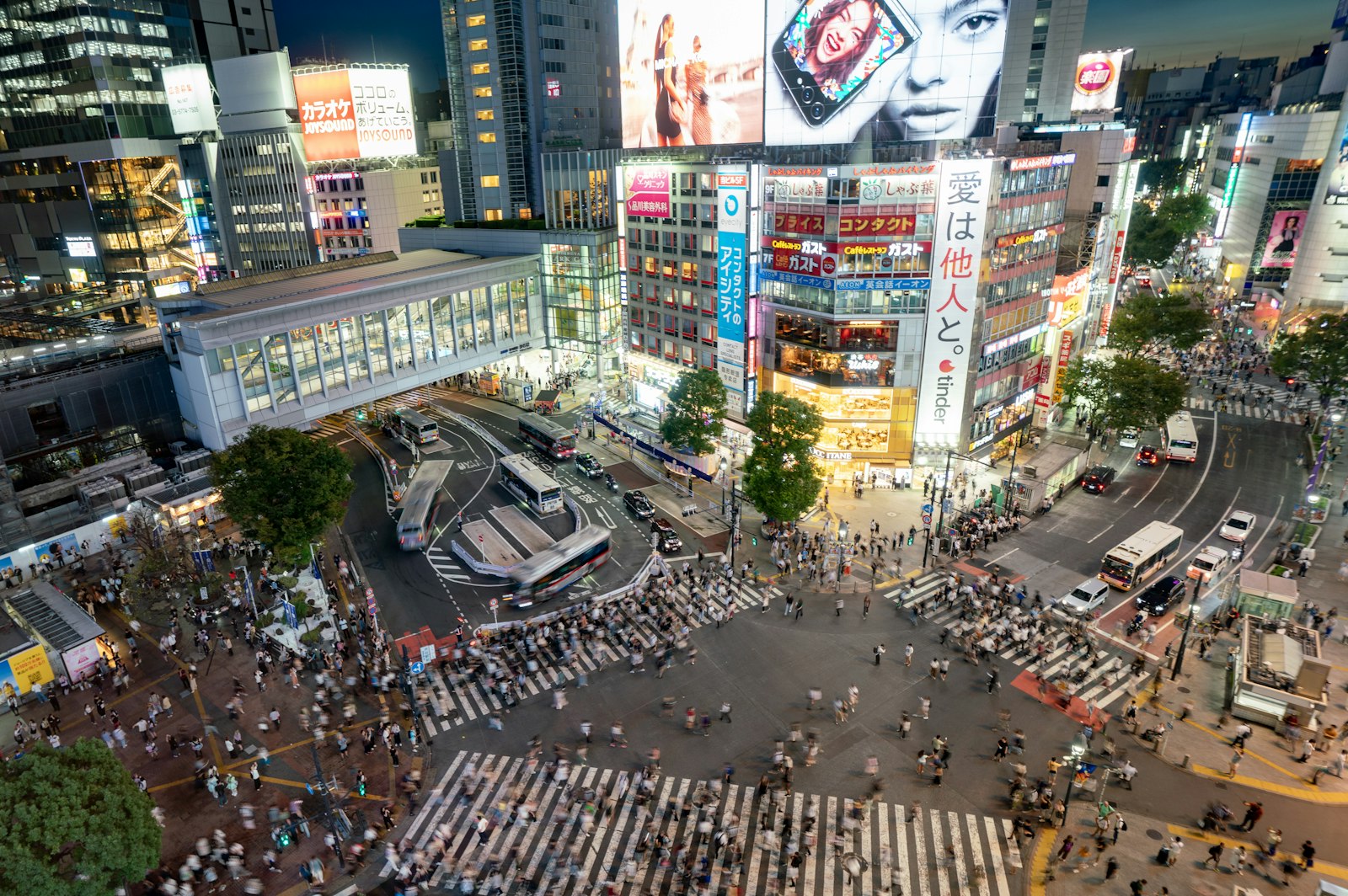
One rule you need to know: Shibuya Ward has banned street drinking. The ordinance covers 6 p.m. to 5 a.m., every night of the year, across the station area, Scramble Crossing, Center Gai, and Miyashita Park. It took effect on October 1, 2024 and carries no fine — police issue warnings — but the convenience-store-beer-on-the-crossing move is over. Drink inside. Our local’s guide to Shibuya after dark maps out where to go instead.
Roppongi: Best if You Want to Party Entirely in English
Roppongi is the international district, and it makes no apologies about it. Staff speak English, the crowd is a genuine mix of expats, travelers, and locals who came looking for exactly that, and the clubs run properly late.
Expect a cover charge. Most Roppongi clubs land in the ¥2,000–4,000 range, usually including one or two drink tickets, with the higher-profile rooms charging ¥4,000–8,000 for standing entry. Bring your passport — door staff will ask for photo ID, and a copy or a driver’s license often won’t clear.
The honest downside: Roppongi is the most aggressively marketed nightlife area in the city, which means more touts and more overpriced rooms than Shibuya or Shinjuku. Decide where you’re going before you arrive rather than shopping on the street. Our Roppongi bars and clubs guide covers which venues are genuinely worth the cover.
Ginza: Best for a Slow, Serious Drink
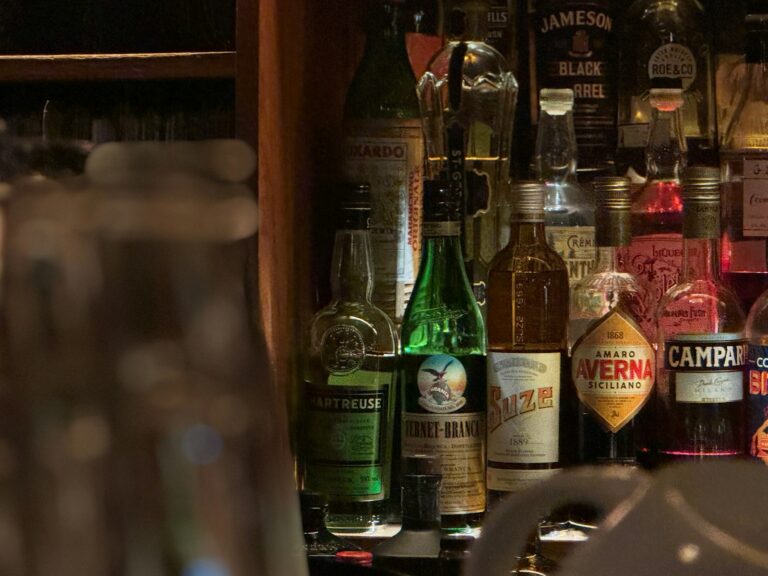
Ginza is the opposite of everything above. No crowds, no touts, no shouting — just small, immaculate bars where a bartender in a white jacket spends four minutes on one drink and doesn’t rush you.
This is the most expensive nightlife area on the list, and it’s worth it once. Some of Tokyo’s best cocktail and jazz listening bars are here, tucked onto the fifth and sixth floors of unmarked buildings. Two things to plan for: many bars charge a table or seating fee before you’ve ordered anything, and some of the older establishments genuinely prefer regulars. Look for places that post prices or an English menu, and you’ll be fine.
Go to Ginza when you want to taste the drink. Go anywhere else on this list when you want to meet people.
Looking for Adult Entertainment Services in Tokyo? Download this
I’ve spent over a decade exploring and studying Japan’s adult entertainment scene firsthand. If you’d like detailed insider information—including how to choose the right shop, what services are available, and tips for avoiding common mistakes—check out our exclusive E-book.
Shimokitazawa and Koenji: Best for Live Music and Cheap Rounds
Two stops out from the center, the prices drop and the music gets better. Shimokitazawa is Tokyo’s live-music neighborhood — something like a couple of dozen small live houses and music bars inside a fifteen-minute walk, plus vintage shops and standing bars. Koenji covers similar ground with a punkier, scruffier edge.
Neither is a “nightlife district” in the neon sense. There’s no strip. You wander, you hear something through a basement door, you go down the stairs. Rounds run noticeably cheaper than Shibuya or Ebisu, and the crowd is mostly local — which is either the entire appeal or a reason to go elsewhere, depending on what you’re after.
Ebisu and Nakameguro: Best for a Date Night
If you want somewhere you can actually hold a conversation, head one stop south of Shibuya. Ebisu is dense with good izakaya, wine bars, and small restaurants without the crowd pressure. Nakameguro, along the canal, is quieter still and one of the most pleasant places in Tokyo to walk between two drinks.
The trade-off is that both wind down earlier than the big districts. Plan for a 7 p.m. start and a midnight finish rather than an all-nighter.
Ueno and Asakusa: Best for an Early, Cheap Night
Old Tokyo drinks early. Around Ueno’s Ameyoko market and through Asakusa’s back streets, standing bars and open-fronted izakaya fill up from late afternoon and start emptying around 10 p.m.
This is the cheapest genuine nightlife on the list and by far the easiest to walk into alone — no cover charges, no door policy, no English menu anxiety, because half the ordering happens by pointing. If you’re jet-lagged and awake at 5 p.m. on day one, this is where to go.
The Practical Rules That Apply in Every District
Carry cash. The yokocho alleys — Golden Gai, Omoide Yokocho, Nonbei Yokocho — are overwhelmingly cash-only. Convenience store ATMs accept foreign cards and are open all night.
Expect otoshi. Most izakaya bring a small dish you didn’t order and charge ¥300–700 for it. It’s a seating charge, it’s standard, and it isn’t a scam. Bars that are scamming you charge far more and don’t tell you until the bill.
Watch the last train. Most central Tokyo lines stop between midnight and 1 a.m., with the Yamanote loop’s final departures from major stations falling mostly in the 00:30–01:05 window. Look up your specific station — this is the single most common way a good night goes sideways.
Taxis cost more after 10. Tokyo taxis add a late-night surcharge of about 20% between 10 p.m. and 5 a.m. It’s still the easiest way home, but a cross-town ride at 2 a.m. adds up fast.
Missing the last train isn’t a crisis. Between 24-hour izakaya, karaoke rooms, and internet cafés with private cubicles and showers, plenty of people simply stay out until the trains restart around 5 a.m. It’s a normal Tokyo Friday, not an emergency.
How to Pick the Best Tokyo Neighborhood for Nightlife in Under a Minute
- First trip, one night, want to see everything: Shinjuku.
- Under 30, want to dance: Shibuya.
- Want to be understood in English all night: Roppongi.
- Want one perfect cocktail, not five decent ones: Ginza.
- Music person on a budget: Shimokitazawa or Koenji.
- Bringing a date: Ebisu or Nakameguro.
- Jet-lagged, hungry, want beer by 6 p.m.: Ueno or Asakusa.
For a broader look at what the city offers after dark beyond drinking, the official Tokyo tourism guide to Tokyo at night covers night views, walks, and late-opening attractions.
What do you do in Tokyo After 10?
Join our Tokyo Nightlife Private Tour
You deserve better than overpriced bars and missed opportunities. We’re here for you.
Skip the Guesswork
Here’s the part no map solves. Tokyo’s best nightlife happens behind unmarked doors, up narrow staircases, in rooms with four seats and no website. You can find the districts on your own — you’re holding the list. Finding the specific bar inside them, the one where the owner remembers you on the second visit, is a different problem, and it’s much harder when you can’t read the sign.
That’s the gap a local fills. On our Tokyo After 10 nightlife private tour, a guide who drinks in these neighborhoods takes you into the places that don’t show up in search results, handles the ordering, explains the etiquette before you trip over it, and gets you to the right station before the last train.
Pick your neighborhood from the list above. Or let someone who knows all seven pick for you.