Photo by <a href="https://unsplash.com/@lucius_x14?utm_source=tokyodeepnightlife&utm_medium=referral">Lucius Hunter</a> on <a href="https://unsplash.com/?utm_source=tokyodeepnightlife&utm_medium=referral">Unsplash</a>
Most articles about how to enjoy Tokyo nightlife as a tourist hand you a list of neighborhoods and a photo of a neon sign, then leave you standing on a Shinjuku street corner at 9pm with no idea which door is safe to open. The hard part was never finding the bars. Tokyo has tens of thousands of them. The hard part is knowing what happens after you slide the door open — what the charge on your bill is for, whether you’re allowed to sit down, and how you get back to your hotel when the trains stop.
This guide covers the mechanics of how to enjoy Tokyo nightlife as a tourist. Where to start, what a night actually costs, the unwritten rules nobody writes down, how to spot the one real scam risk, and how to time the whole evening so it ends well.
Contents
- Pick One District and Stay There
- The Night Has a Shape
- The Unwritten Rules Nobody Explains
- What a Night Actually Costs
- How to Enjoy Tokyo Nightlife as a Tourist Without Getting Scammed
- The Language Barrier Is Smaller Than You Think
- Getting Home Is Part of the Plan
- Beyond Bars
- A Sample First Night
- What do you do in Tokyo After 10?Join our Tokyo Nightlife Private Tour
- Skip the Guesswork
- About the Author
Pick One District and Stay There
The single biggest mistake first-time visitors make is treating Tokyo nightlife like a checklist — one drink in Shibuya, taxi to Roppongi, then “we should see Golden Gai.” You’ll spend half the night in transit and none of it settling into a place.
Tokyo’s nightlife districts have genuinely different personalities. Pick the one that matches the night you want.
Shinjuku — the default first choice
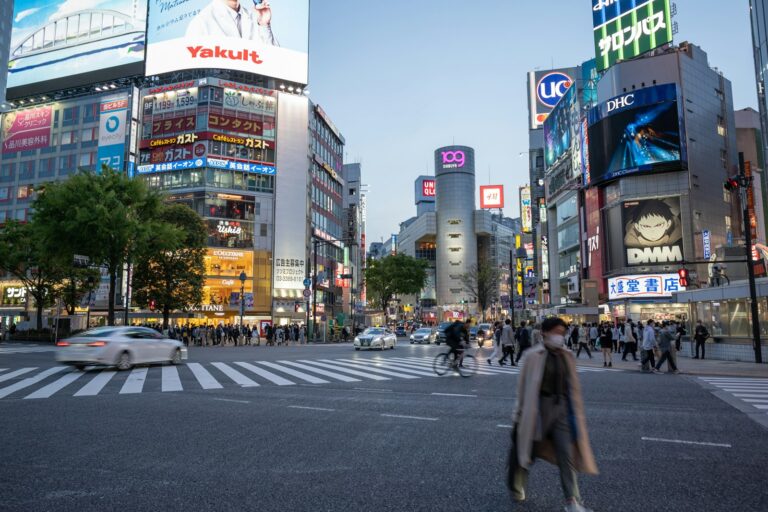
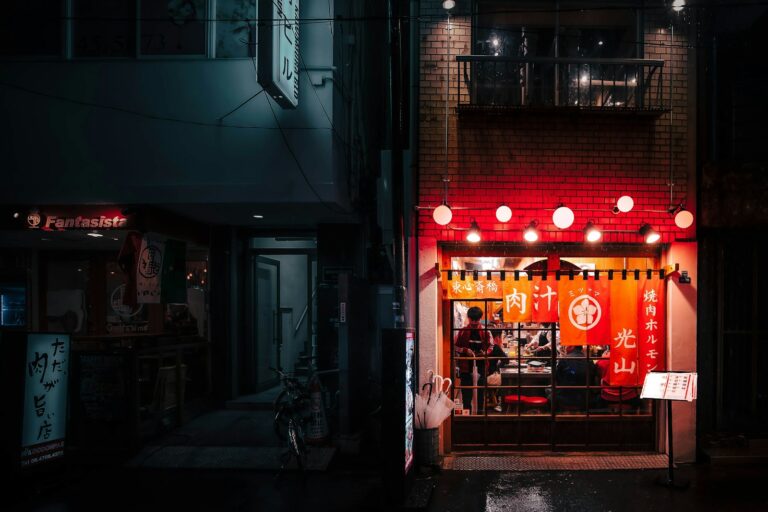
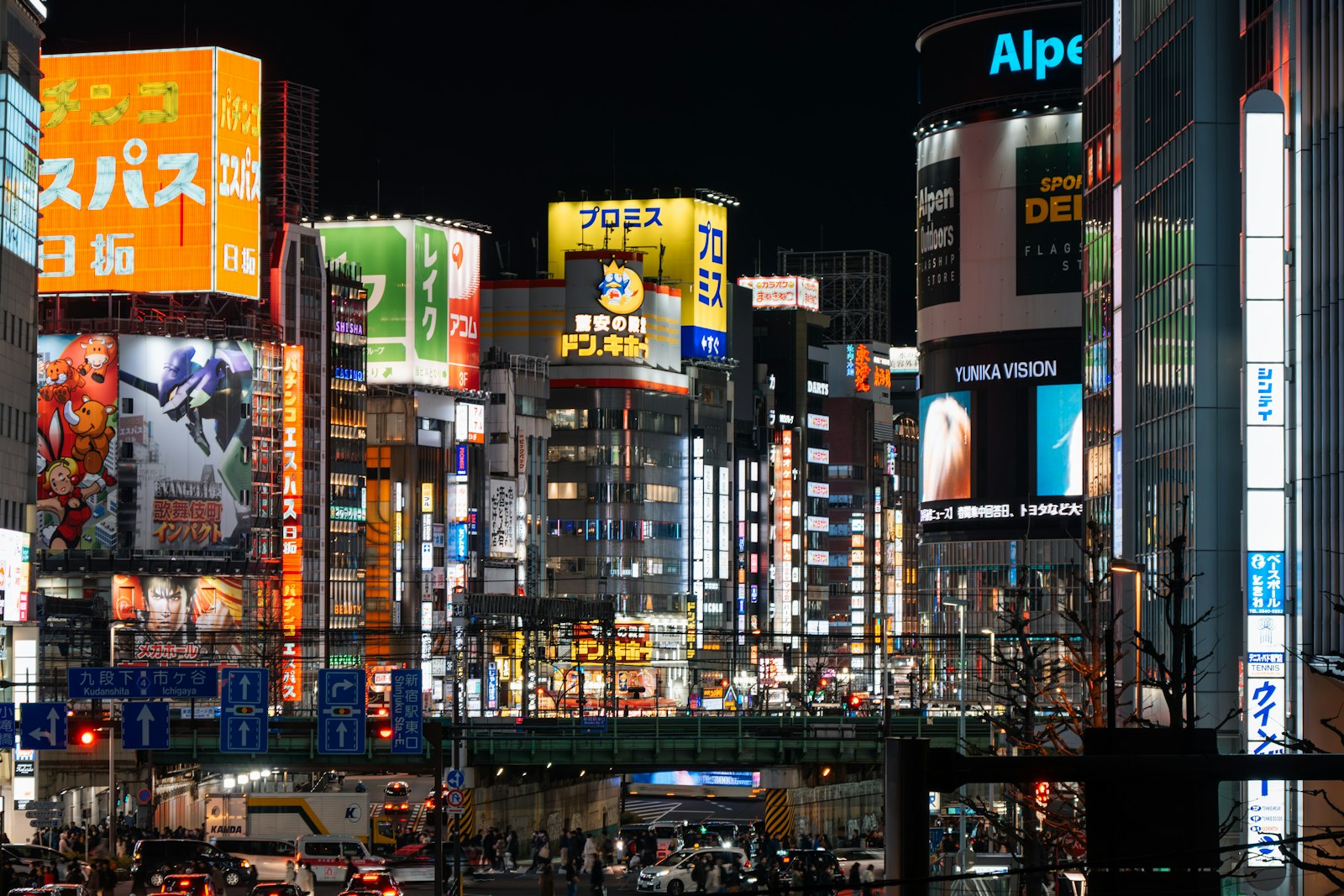
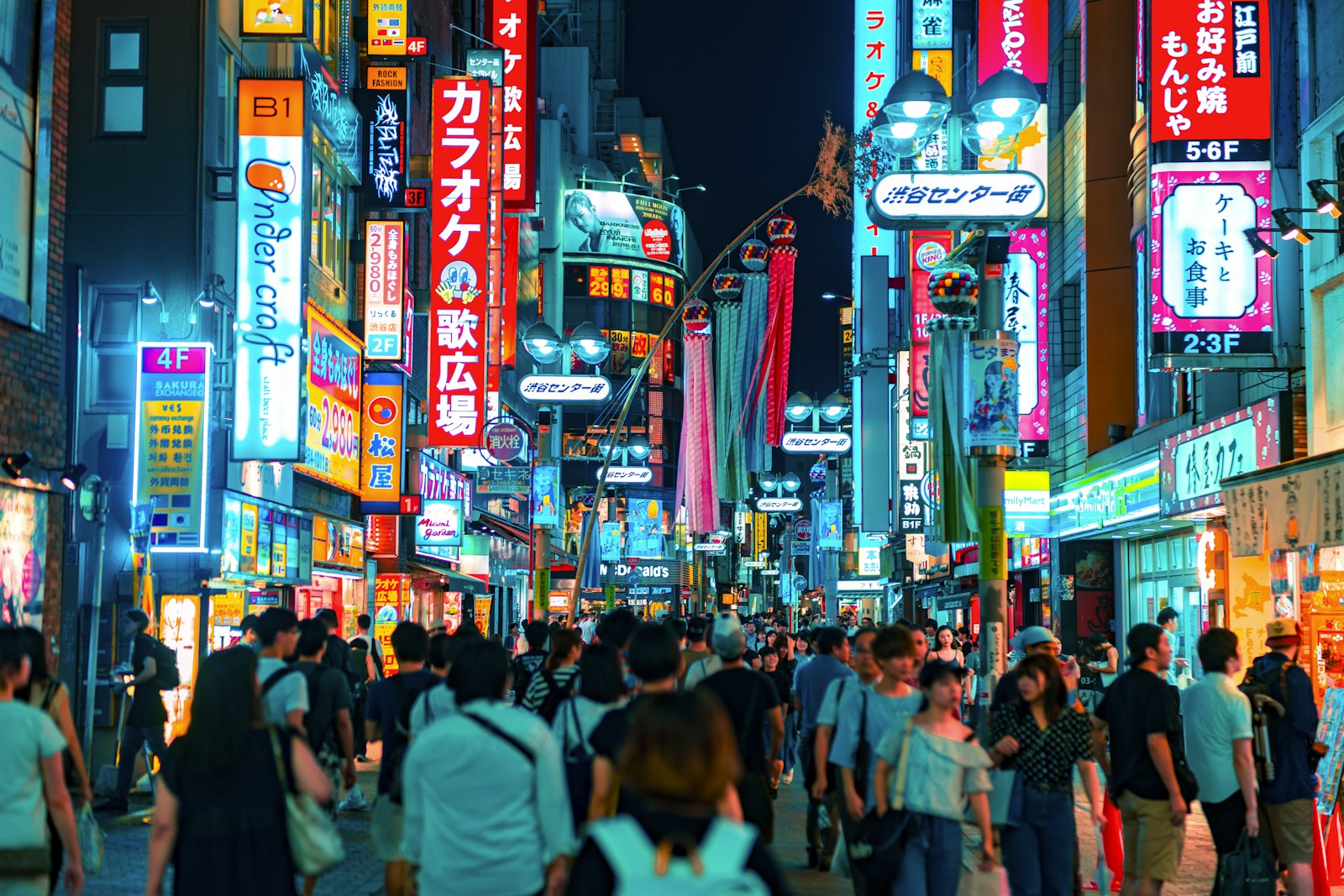
Shinjuku is where most people should start, because it contains three completely different nights inside one station area. Golden Gai is a grid of six narrow alleys holding roughly 200 bars, most of them seating five to ten people. Omoide Yokocho — “Memory Lane” — is a cluster of smoky yakitori counters under the train tracks. And Kabukicho is the neon entertainment district that shows up in every photo of Tokyo at night, which is also where you need to keep your guard up (more on that below).
You can walk between all three in under fifteen minutes. If you only have one night, this is the one. Our Shinjuku nightlife guide breaks the area down street by street.
Shibuya — younger, louder, club-oriented
Shibuya is the energetic one. It skews younger, the music venues and clubs are concentrated here, and the crowd is more mixed. It’s a better fit if you want a dance floor than if you want a conversation with a bartender.
Roppongi — international, easy, expensive
Roppongi is the most foreigner-oriented district in the city. English is widely spoken, entry is easy, and the mega-clubs are here. That accessibility comes at a price: it’s the least “Japanese” nightlife in Tokyo, and along with Kabukicho it’s where the aggressive touting happens.
The quieter alternatives
If crowds aren’t your thing, Shimokitazawa has live music and secondhand-shop charm, Nakameguro offers canal-side drinking with a design-conscious crowd, and Koenji is a punk-and-dive-bar stronghold. Shinbashi after work is where you’ll find actual Tokyo salarymen rather than actual tourists. These areas reward people who like wandering more than planning.
The Night Has a Shape
Tokyo runs on a rhythm that surprises visitors from cities where things start late. Here’s how a normal evening actually unfolds:
- 6:00–7:00pm — Izakaya start filling with people straight from work. Good time to eat.
- 8:00–10:00pm — Peak bar hours. Small bars in Golden Gai and similar alleys are at their liveliest.
- 10:00–11:00pm — The decision point. This is when you either commit to staying out until first train, or start heading for the station.
- 11:30pm–12:30am — Last trains depart from major hubs.
- 12:30am–5:00am — The city doesn’t close, but your transport options shrink to taxis and your feet.
- 5:00am — First trains. Ramen shops near the stations are doing quiet business.
Working backwards from that timeline is more useful than any list of bars. Decide before you go out which side of the 11pm line you’re on.
The Unwritten Rules Nobody Explains
This is the section that separates a good night from an awkward one.
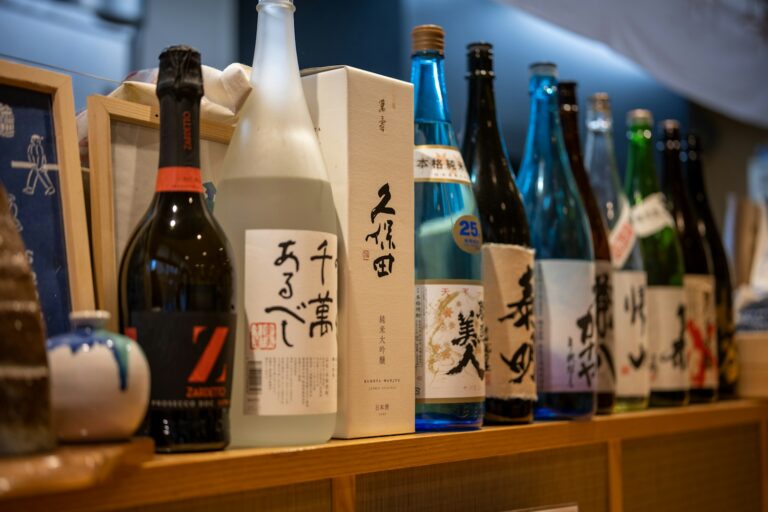
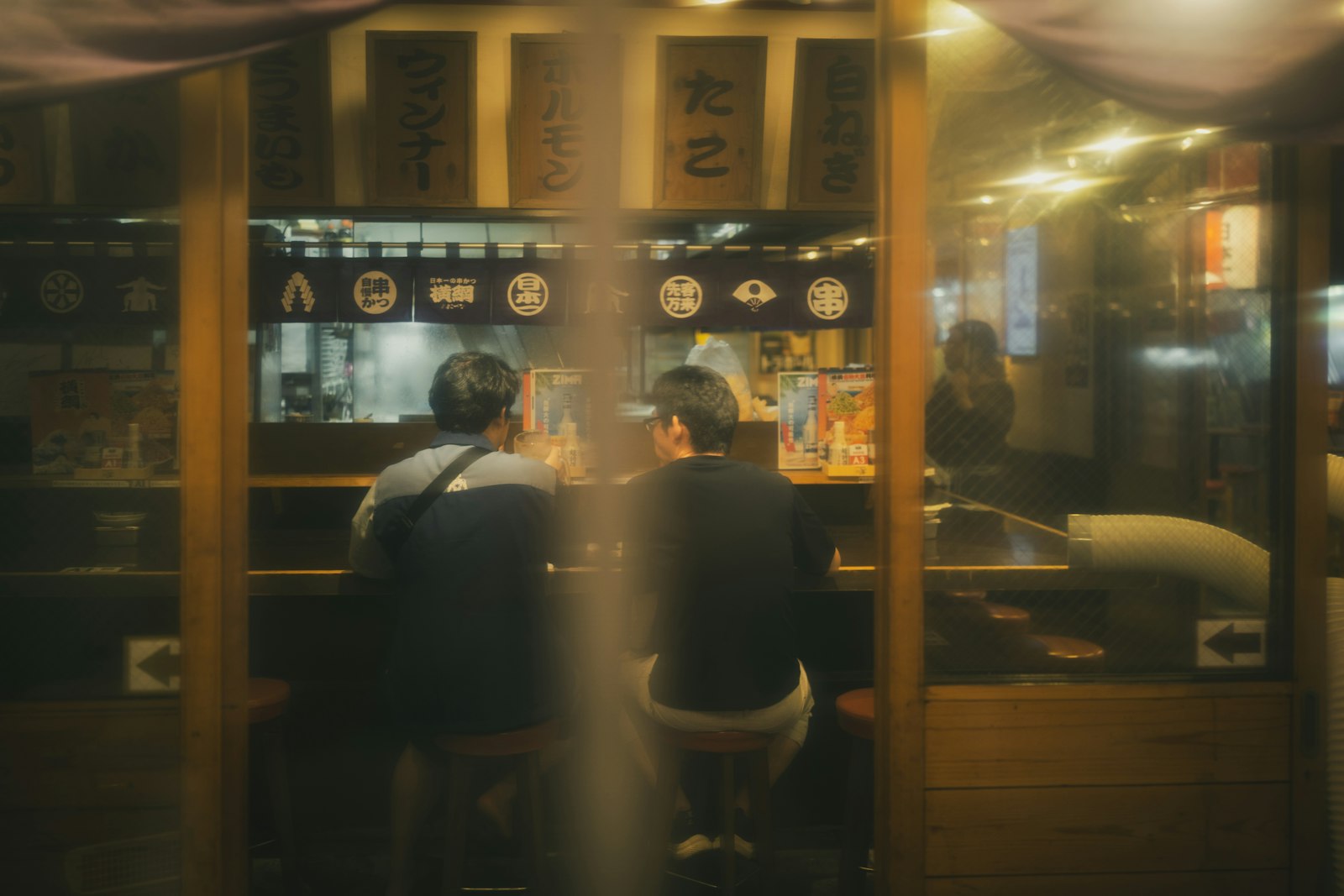
You’ll be charged for sitting down, and it isn’t a scam. Most izakaya and small bars add an otoshi (お通し) — a small appetizer that arrives unrequested along with a per-person charge, typically ¥300–¥600, though upmarket places in central Tokyo can go over ¥1,000. It functions as a seat charge. The dish comes whether you want it or not, and leaving it untouched doesn’t remove the charge. In Golden Gai the equivalent seki-ryō (seat fee) is higher — commonly ¥500–¥2,000, with ¥700–¥1,000 being typical. This is not price gouging; it’s how a six-seat room stays open in a country with no tipping. Ask “otoshi wa arimasu ka?” if you want to know before ordering.
There is no tipping. None. Not at bars, not in taxis, not for exceptional service. Leaving money on the counter creates confusion, not goodwill.
Small bars have a capacity of six. When a bar seats eight people and four are already there, a group of five walking in is a genuine problem. Go in pairs, or as a solo traveler. If the master waves a hand or says “ippai desu” (full), that’s not rejection — it’s arithmetic.
Some bars are members-only, and that’s allowed. You’ll occasionally see “regulars only” or, more bluntly, signs indicating tourists aren’t served. They’re a minority, and in Golden Gai many bars now post English menus and “welcome” signs specifically to signal the opposite. Look for the sign, and don’t take a closed door personally.
Order one thing at a time. In a small bar, ordering a round of six drinks at once for your group is a burden on one person working alone behind a counter. Drink, then order the next.
Cash still matters. Most places take cards now, but the smallest and best bars — the ones down the alleys — often don’t. Carry ¥10,000 in cash for a night out and you’ll never be stuck.
What a Night Actually Costs
Budget honestly and you’ll enjoy yourself more. Rough per-person figures for an evening:
| Style of night | Realistic cost |
|---|---|
| Standing bars (tachinomi) and convenience-store beers | ¥2,000–¥3,500 |
| Izakaya dinner with drinks | ¥4,000–¥6,000 |
| Three bars in Golden Gai (drinks + seat fees) | ¥6,000–¥9,000 |
| Club night in Shibuya or Roppongi with entry | ¥6,000–¥10,000 |
| Hostess or host club | ¥15,000 and up, easily much more |
The cheapest genuinely good night in Tokyo is a tachinomi crawl — standing bars where you drink at chest-height counters, pay per item, and rarely face a seat charge. If you’re working out how to enjoy Tokyo nightlife as a tourist on a tight budget, start there rather than with the famous alleys.
Watch for nomihōdai (all-you-can-drink) deals. Legitimate ones are common, clearly time-limited, and good value. They’re also the exact format that scam bars imitate, which brings us to the one real risk.
How to Enjoy Tokyo Nightlife as a Tourist Without Getting Scammed
Tokyo is an extraordinarily safe city. Violent crime against tourists at night is rare. The risk is almost entirely financial, it is concentrated in two districts, and it has one entry point: street touts.
These are kyakuhiki — from kyaku (customer) and hiku (to pull). They approach you on the street in Kabukicho and Roppongi, speak good English, mention a cheap all-you-can-drink deal, and offer to walk you there. What follows is bottakuri: the quoted price turns out to cover almost nothing, and charges appear for drinks for staff, table games, and services you didn’t knowingly agree to. The final bill can be tens of times what you expected.
The scale is documented. Shinjuku Police reported 91 complaints between January and June 2026 from people who followed touts and were then charged excessive amounts, with total reported losses around ¥99 million. Many of the victims were overseas visitors. Street soliciting is banned outright under a Shinjuku City ordinance, and in July 2026 police arrested a man in Kabukicho on suspicion of violating it — Japan Today reported the case in detail.
The defense is a single rule, and it’s absolute:
Never enter a bar you were led to by someone on the street.
Not “be careful with touts.” Not “negotiate the price first.” Simply never follow one. A legitimate Tokyo bar does not need a man on the sidewalk to fill its seats. Keep walking, don’t make eye contact, and don’t feel rude — the person approaching you is breaking a local ordinance, not offering hospitality.
Two supporting habits: choose bars you can see into or that have a posted price list, and ask for the total before ordering a second round if anything feels off. Our Tokyo nightlife scams and safety guide goes deeper on the specific setups to recognize.
Looking for Adult Entertainment Services in Tokyo? Download this
I’ve spent over a decade exploring and studying Japan’s adult entertainment scene firsthand. If you’d like detailed insider information—including how to choose the right shop, what services are available, and tips for avoiding common mistakes—check out our exclusive E-book.
The Language Barrier Is Smaller Than You Think
You do not need Japanese to have a great night out. You need about six phrases and a willingness to point.
- Sumimasen — Excuse me / hello, to get attention
- Nama hitotsu — One draft beer
- Kore o kudasai (while pointing) — This one, please
- Osusume wa? — What do you recommend?
- Okaikei onegaishimasu — The bill, please
- Kanpai — Cheers
That’s genuinely enough. Bartenders in tourist-facing districts have handled thousands of visitors, translation apps work fine for anything complicated, and a lot of the best interactions happen in fragments of both languages plus gestures. If you’d rather stack the odds, these Tokyo bars operate comfortably in English.
The thing worth knowing: effort counts more than fluency. Attempting kanpai badly is received far better than expecting English.
Getting Home Is Part of the Plan
Tokyo’s trains are magnificent and they stop early. Final departures from major hubs like Shinjuku, Shibuya, and Tokyo Station generally run between 11:30pm and 12:30am, depending on the line and how far it goes. First trains resume around 5:00am.
Miss the last train and your options are:
Taxi. Available everywhere, and there’s a 20% late-night surcharge between 10pm and 5am. Short hops are reasonable — Shibuya to Shinjuku, about 4km, runs roughly ¥2,500–¥3,000. Long rides to outer wards get expensive fast. The GO app is the dominant hailing app in Tokyo; S.RIDE and Uber also work across the 23 wards.
Wait it out. Manga cafés and capsule hotels exist precisely for this, and plenty of locals use them. A private booth at a manga café for a few hours costs far less than a long taxi ride.
Stay out. Many bars run until 5am, and this is where the shime ramen tradition comes in — the closing bowl of ramen that ends a night out. It’s not a tourist invention; it’s what people here actually do at 3am.
Whichever you choose, decide by 10:30pm rather than at 12:15am. Check your specific last train in Google Maps before you leave the hotel, and screenshot it.
Beyond Bars
Drinking isn’t the only thing happening after dark, and mixing in something else makes for a better night.
Karaoke is the most reliable group activity in Tokyo — private rooms, hourly rates, drinks brought to you. Observation decks and rooftop bars give you the neon-grid view; the official Tokyo tourism guide maintains a good list of night-view spots. Live music is a genuine strength of the city, from jazz at Blue Note Tokyo to basement punk venues in Koenji. Craft beer has a serious following — Beer Club Popeye in Ryogoku is one of the long-standing institutions. And arcades in Shinjuku and Akihabara stay open late enough to fill the gap between last train and first.
A Sample First Night
If you want a route rather than options, here’s one that works, built around Shinjuku:
- 7:00pm — Dinner at an izakaya or the yakitori counters of Omoide Yokocho. Eat properly before drinking.
- 8:30pm — Walk to Golden Gai. Choose a bar with an English menu or a “welcome” sign, sit at the counter, order one drink, talk to whoever’s next to you.
- 9:30pm — Second bar. Different alley, different theme. Golden Gai’s whole appeal is that each room is a different world.
- 10:45pm — Decision point. Either head for the station, or commit to the night.
- If you commit: karaoke or a third bar, then shime ramen around 3am, first train at 5am.
Three bars is the right number for a first night. Four is ambitious. Five means you didn’t really experience any of them.
For a fuller version of this, our Tokyo nightlife guide for first-timers covers the mistakes that come up most often.
What do you do in Tokyo After 10?
Join our Tokyo Nightlife Private Tour
You deserve better than overpriced bars and missed opportunities. We’re here for you.
Skip the Guesswork
Everything above is learnable, and plenty of people have a great night in Tokyo working it out themselves. But there’s a category of place that stays closed to you no matter how well you’ve read up: the bars with no sign, the counters where the master doesn’t take walk-ins, the rooms that only open to someone who arrives with a person they already know.
That’s the actual argument for going out with a local guide — not safety, and not language. It’s access. A guide gets you past the door, handles the ordering, explains what you’re drinking, and puts you at a counter where the conversation includes you instead of happening around you. It also means nobody in your group is doing last-train math at midnight.
If that sounds better than standing on a street corner deciding which door to try, our Tokyo After 10 nightlife tour takes small groups into exactly those places, with guides who drink in them the rest of the week.
Either way — go out. Tokyo after dark is the best version of the city, and it rewards people who show up curious.