Photo by <a href="https://unsplash.com/@chally_?utm_source=tokyodeepnightlife&utm_medium=referral">chally japan</a> on <a href="https://unsplash.com/?utm_source=tokyodeepnightlife&utm_medium=referral">Unsplash</a>
Short version: no, you don’t need a guide for Tokyo nightlife. Tokyo is safe, the beer is cold everywhere, and you can absolutely have a great night with nothing but a train map and some nerve. But “do I need a guide for Tokyo nightlife” is usually the wrong question. The better one is: which night do you want? Because the night you can reliably get on your own and the night a local can get you are two genuinely different evenings — and the gap is bigger here than in almost any other city.
Here’s what actually separates them, based on what goes wrong for visitors and what a guide does and doesn’t fix.
Contents
- The Short Answer, With the Honest Caveat
- What Actually Goes Wrong When You Go Out Alone
- When You Genuinely Don’t Need a Guide for Tokyo Nightlife
- What a Guided Tokyo Nightlife Tour Actually Buys You
- Guided vs. Solo: An Honest Comparison
- What a Guide Won’t Do for You
- How to Pick a Tokyo Nightlife Guide Worth Paying For
- What do you do in Tokyo After 10?Join our Tokyo Nightlife Private Tour
- So — Do You Need a Guide for Tokyo Nightlife?
- About the Author
The Short Answer, With the Honest Caveat
Tokyo is not a city where you need a guide for safety. Violent crime is rare, the streets are busy until dawn, and nobody is going to bother you for walking around at 2am.
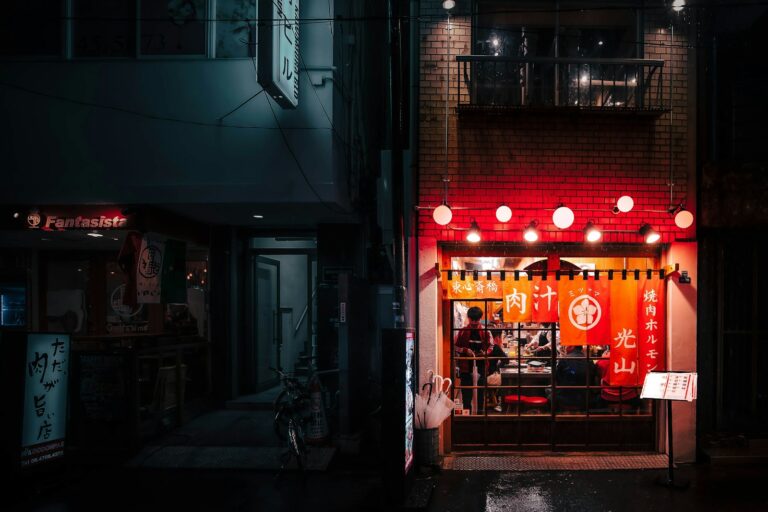
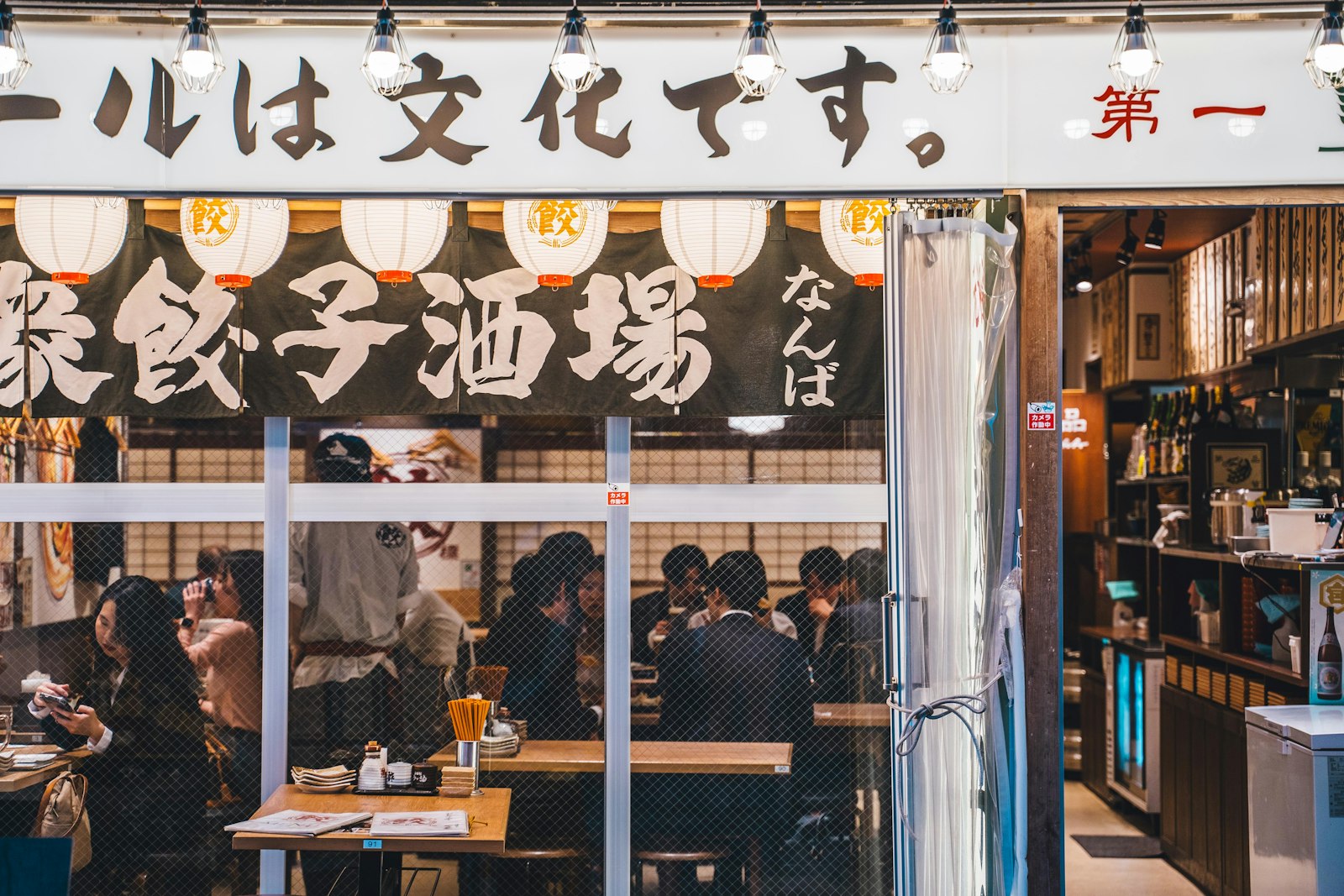
What Tokyo is, is a city with an unusually high number of closed doors. Not hostile, just closed. Bars with no English sign, no menu outside, six seats, and a regular clientele. Places that don’t appear on Google Maps, or appear with three reviews and no photos. On your own, you’ll walk past dozens of them without knowing they exist — and end up in the one place with an English sandwich board out front, which is also the one place charging tourist prices.
So the honest framing is this: going solo gets you a good night. A guide is a shortcut past the specific friction that eats most of a first-timer’s evening.
What Actually Goes Wrong When You Go Out Alone
Not scary things. Just the small stuff that quietly ruins two or three hours.
The door problem
The best bars in Tokyo look like nothing. In Golden Gai, you’re facing a few hundred bars packed into a handful of alleys, most seating five to eight people, many with a curtain over the door. Some welcome walk-ins warmly. Some have a cover charge posted only in Japanese. Some are effectively members-only and will politely tell you they’re full when they’re visibly not — that’s not racism, it’s a tiny room where the owner is mid-conversation with regulars and doesn’t have the English to bring you in.
Standing in the alley trying to decide which door to push is where most visitors lose the night. You either freeze and go to a chain izakaya, or you pick wrong.
The bill you didn’t agree to
Sit down at an izakaya and a small dish arrives that you didn’t order. That’s otoshi — a seating charge served as food. It typically runs about ¥300–¥800 per person, and in higher-end Tokyo areas it can top ¥1,000. It’s not a scam; it’s a normal part of Japanese bar economics, standing in for the tipping culture Japan doesn’t have. Leaving the dish untouched won’t remove it, because you’re paying for the seat.
Nobody tells you this in advance, so the first time it shows up on your tab it feels like a trick. Multiply by four people and two venues and it’s a real number.
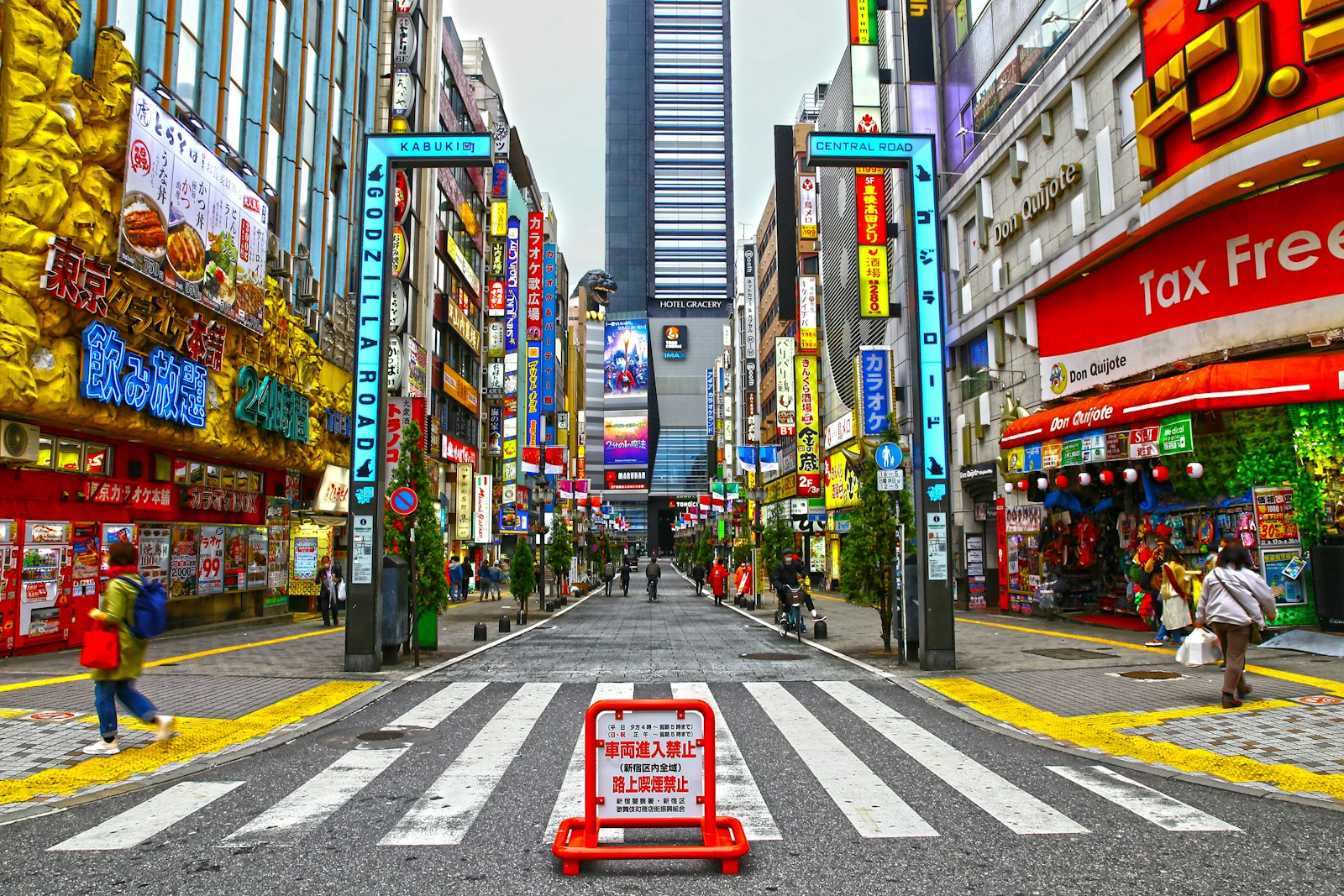
Genuine rip-offs exist too, mostly concentrated around touts in one or two blocks of Kabukicho. Those are avoidable with one rule — never follow someone who approaches you on the street — and we’ve covered the specifics in our guide to Tokyo nightlife scams.
The last train cliff
This is the logistics fact that shapes every Tokyo night out. Per the official GO TOKYO city guide, trains stop running around midnight and don’t restart until roughly 5–6am. There’s no night service to fall back on.
That leaves you three options after midnight: taxi, stay out until first train, or go home early. Taxis work fine, but a 20% surcharge applies to the meter between 22:00 and 05:00, so a cross-town ride at 1am costs meaningfully more than the same ride at 9pm. Plenty of visitors don’t discover this until they’re standing in Roppongi doing mental math.
The language gap is real, but not where you think
Ordering a beer is easy. Everyone can do that. Where it actually bites is the second hour — when the owner asks where you’re from, you say “America,” and then the conversation dies because neither side has the vocabulary to keep it going. You end up drinking in a fascinating bar in total silence.
That’s the thing people mean when they say a Tokyo night felt shallow. Not that it went badly. That it never opened up. If you want to try it unassisted anyway, start with venues that are set up for it — our roundup of Tokyo bars that work in English is the sensible starting point.
When You Genuinely Don’t Need a Guide for Tokyo Nightlife
Let’s be fair about this, because most articles asking “do I need a guide for Tokyo nightlife” are just tour ads with a question mark on top.
Skip the guide if:
- You mainly want clubs. Roppongi and Shibuya clubs are walk-in venues with door prices posted and international crowds. A guide adds almost nothing here — you just show up.
- You’re after night views. Observation decks, rooftop bars, the Sumida River at night. All self-service, all well signposted in English.
- You speak some Japanese. Even shaky conversational Japanese unlocks most of what a guide would unlock. At that point you’re paying someone to do something you can already do.
- You’ve been to Tokyo before and know your neighborhood. The second visit is much easier than the first. You already know which alley you like.
- You want total spontaneity. A tour has a shape. If your ideal night is following whatever looks interesting at 11:40pm with no plan at all, a scheduled tour will chafe.
- Budget is the binding constraint. Standing bars exist, konbini beer is legal on the street in most places, and a genuinely good Tokyo night can cost very little. A guide is a comfort purchase, not a necessity.
If you’re in this camp, read Tokyo nightlife for first timers and go have your night. You’ll be fine.
What a Guided Tokyo Nightlife Tour Actually Buys You
If you do book one, be clear about what you’re paying for. It isn’t safety, and it isn’t information — information is free and you’re reading some right now.
Access. A guide who drinks in these places regularly walks into bars that would turn a stranger away, because the owner knows them. That’s the single biggest thing money buys in Tokyo nightlife. You’re not paying for a route; you’re paying for the fact that the door opens.
Live translation, not app translation. The difference between a phone screen passed back and forth and someone who can carry a joke in both directions is the difference between visiting a bar and having a night in it. This is where a guided night earns its keep — the bartender tells you the actual story behind the shop, and you can ask a follow-up question.
A solved route. Which area, which order, how long in each place, how to get out before the trains stop. Decision fatigue at 10pm after a full sightseeing day is underrated. Someone else holding the plan is worth more than it sounds.
Someone accountable for the bill. A guide asks about cover charges before you sit down and reads the Japanese menu prices. That doesn’t just save money — it removes the low-grade anxiety of wondering whether you’re being overcharged, which is the thing that keeps people from relaxing.
Cultural translation. Not just words — knowing when to pour for someone else, what a curtain across a door means, why the owner keeps refilling your glass. The context that makes the place make sense.
Looking for Adult Entertainment Services in Tokyo? Download this
I’ve spent over a decade exploring and studying Japan’s adult entertainment scene firsthand. If you’d like detailed insider information—including how to choose the right shop, what services are available, and tips for avoiding common mistakes—check out our exclusive E-book.
Guided vs. Solo: An Honest Comparison
| Going solo | With a local guide | |
|---|---|---|
| Cost | Only what you drink | Tour fee + drinks |
| Bars you can enter | Tourist-facing and walk-in venues | Includes locals-only spots that don’t take strangers |
| Conversation with locals | Usually limited to greetings | Real, two-way, translated |
| Risk of overpaying | Moderate — otoshi and cover charges surprise you | Low — checked before you sit |
| Flexibility | Total | Within the tour’s shape |
| Time spent deciding | High — a lot of the night | Near zero |
| Best for | Repeat visitors, Japanese speakers, club nights | First-timers, short trips, small groups wanting depth |
What a Guide Won’t Do for You
Worth saying plainly, because overselling this stuff helps nobody.
A guide won’t make Tokyo safer — it already is. It won’t get you into anything illegal or into the adult-entertainment venues that refuse non-Japanese customers as a house policy; no guide overrides a shop’s own rules. It won’t cover your drinks unless the tour explicitly says so, and most don’t. And it won’t manufacture chemistry — if you’re not in the mood to talk to strangers, the best guide in Shinjuku can’t fix that.
If your trip is long, a good compromise is one guided night early to learn the shape of the city, then solo nights afterward using what you picked up. That’s what a lot of return visitors do, and honestly it’s the best value structure available.
How to Pick a Tokyo Nightlife Guide Worth Paying For
Not all tours are equal. Some are a walking commentary that ends outside the bars rather than inside them.
Check the group size. Small groups fit into the bars that matter. A tiny Golden Gai bar physically cannot take a group of fifteen — which means any large-group “nightlife tour” is, by necessity, visiting big venues you could have found yourself. Under about eight people is the threshold where real bars become possible.
Ask how many venues, and whether you go inside. “Three bars, seated, with the guide drinking alongside you” is a different product from “a walk through the neighborhood with photo stops.”
Check what’s included. Most tours quote the guide fee only, with food and drinks separate. That’s normal and not a red flag — just budget for it so the final number doesn’t surprise you.
Don’t over-index on licensing. You’ll see “licensed guide” marketed heavily. For context: Japan revised the Licensed Guide Interpreter Act effective January 4, 2018, ending the licence-holders’ exclusive right to guide foreign visitors for a fee, so unlicensed paid guiding is fully legal now (Japan Guide Association). The national licence is a serious credential aimed at history and cultural interpretation — but for nightlife specifically, what matters far more is whether the guide is a regular at the bars they’re taking you to. Reviews tell you that; a licence doesn’t.
Read reviews for venue names, not adjectives. “Amazing guide!” tells you nothing. Reviews that mention specific bars and specific conversations tell you the access is real.
What do you do in Tokyo After 10?
Join our Tokyo Nightlife Private Tour
You deserve better than overpriced bars and missed opportunities. We’re here for you.
So — Do You Need a Guide for Tokyo Nightlife?
You don’t need one. You may well want one, and the deciding factor is almost never safety or language — it’s how many nights you have.
If you’re in Tokyo for a week, wander. Get lost in Omoide Yokocho, pick a door in Golden Gai, be bad at it the first night and better the third. That’s a genuinely good way to learn a city.
If you have two or three nights total, the math changes. Spending one of them standing in an alley deciding where to go is a real cost. That’s when handing the problem to someone who drinks in these bars every week stops being a luxury and starts being the efficient move.
If that’s your situation, our Tokyo After 10 nightlife private tour is built around exactly that: small groups, a local who’s a regular where you’re going, and the bill checked before you sit down. You bring the curiosity; we’ll handle the doors.
Either way — go out. Tokyo after dark is worth the effort, guided or not.