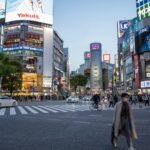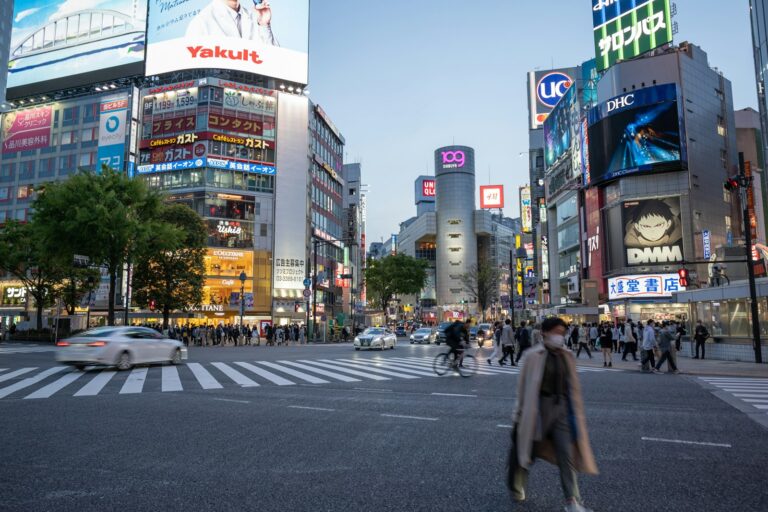
Photo by <a href="https://unsplash.com/@jpa?utm_source=tokyodeepnightlife&utm_medium=referral">Joseph Albanese</a> on <a href="https://unsplash.com/?utm_source=tokyodeepnightlife&utm_medium=referral">Unsplash</a>
Here’s the thing most guides get wrong about Japan: the drinking isn’t the point. A Japanese night out is a structured social ritual that happens to involve alcohol — with a beginning, a middle, and an ending so consistent that it has its own name. Once you see that structure, everything that confused you (why did they charge me for food I didn’t order? why is everyone waiting to drink? why are we going to a third bar?) suddenly makes sense.
This is Japanese drinking culture explained the way a local would actually explain it to you — not a list of sake facts, but how a night is built, what happens at each stage, and what you’re expected to do. By the end you’ll be able to walk into a Tokyo izakaya, order, drink, pay, and leave without a single awkward moment.
Contents
- Japanese Drinking Culture, Explained in Two Ideas
- The Rules of Kanpai: How a Japanese Night Begins
- Japanese Bar Culture: A Field Guide to the Venues
- What People Actually Drink
- Otoshi, Nomihoudai, and the Bill Items That Look Like Scams
- Japanese Drinking Etiquette, Explained in Five Rules
- Nomikai and Nominication: Drinking as Social Infrastructure
- Nijikai, Sanjikai, and Shime no Ramen: How the Night Ends
- Japan Is Drinking Less Than It Used To
- The Practical Rules: Age, Public Drinking, and the One Law You Can’t Bend
- If You Don’t Drink
- What do you do in Tokyo After 10?Join our Tokyo Nightlife Private Tour
- Where to Actually Do This in Tokyo
- About the Author
Japanese Drinking Culture, Explained in Two Ideas
In most countries, drinking is what you do instead of other social activity. You go to a bar to drink. In Japan, drinking is the container that other things happen inside — food, negotiation, apology, confession, complaint, friendship.
Two ideas explain almost everything:
Alcohol is a licensed exception. Japanese social life runs on tatemae — the polite surface you present in public. Drinking suspends it. Things said over a fourth beer are, by unspoken agreement, not held against you the next morning. This isn’t a loophole people abuse; it’s a pressure valve the culture deliberately built.
Drinking is almost never separated from eating. There is no real equivalent of going out for drinks on an empty stomach. Every venue serves food, every round of drinks arrives alongside something to eat, and ordering “just a beer” for three hours will get you gently, repeatedly offered a menu.
Hold onto those two ideas. Most of Japanese drinking culture, explained properly, is just those two rules playing out in different rooms. The rest is detail.
The Rules of Kanpai: How a Japanese Night Begins
Kanpai (乾杯) means “dry the cup,” and it’s the starting gun. Three rules govern it, and breaking them is the fastest way to mark yourself as someone who doesn’t know how this works.
Nobody drinks until everyone has a drink. Even if your beer arrived eight minutes ago and it’s going warm, you wait. This is the single most-violated rule by first-time visitors and the one locals notice most.
The first round is usually beer. Toriaezu nama — “a draft beer for now” — is the default opening order across the country. It’s not a rule so much as a rhythm: it gets everyone served simultaneously so the kanpai can happen fast. Order your ambitious cocktail second.
Your glass position signals status. When you clink, the more junior person tilts their glass slightly lower than the senior person’s. In a group of tourists this is irrelevant. At a business dinner it’s read instantly.
One small warning worth its own line: don’t substitute “chin chin” for kanpai as a toast. It’s a common European toast and it’s a childish word for male anatomy in Japanese. It will get a laugh, but not the kind you want.
Japanese Bar Culture: A Field Guide to the Venues
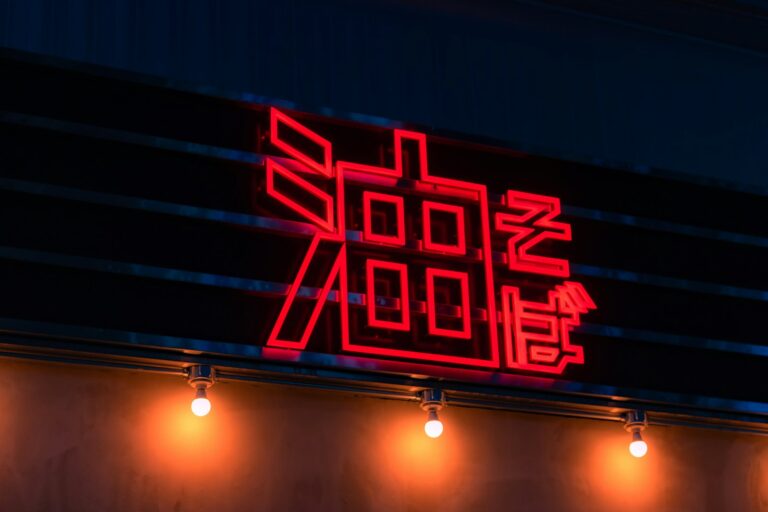
This is where Japanese bar culture genuinely differs from anywhere else — Japan doesn’t have “bars,” it has six or seven distinct venue species, each with its own price logic and social contract. Walking into the wrong one is the source of most bad tourist experiences.
Izakaya — the default
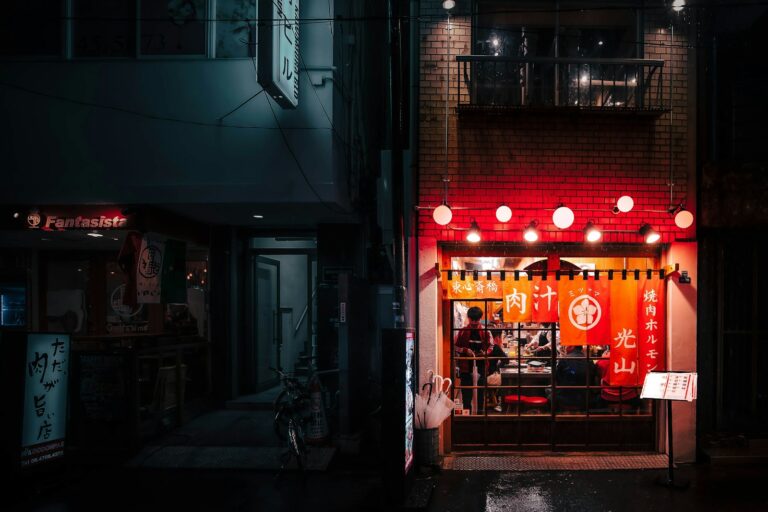
The workhorse of Japanese nightlife. An izakaya is a pub that takes food as seriously as drink: grilled skewers, sashimi, fried chicken, all ordered continuously through the night rather than as a single meal. Groups sit around a table, dishes are shared, and the bill is split evenly at the end.
You wait at the entrance to be seated. You don’t seat yourself. When you leave, “gochisōsama deshita” — thanks for the meal — is the correct exit line, and it works on staff at any price level. If you want to understand the format properly before you go, our guide to Tokyo izakaya culture breaks down ordering and menu structure in more detail.
Tachinomi — standing bars
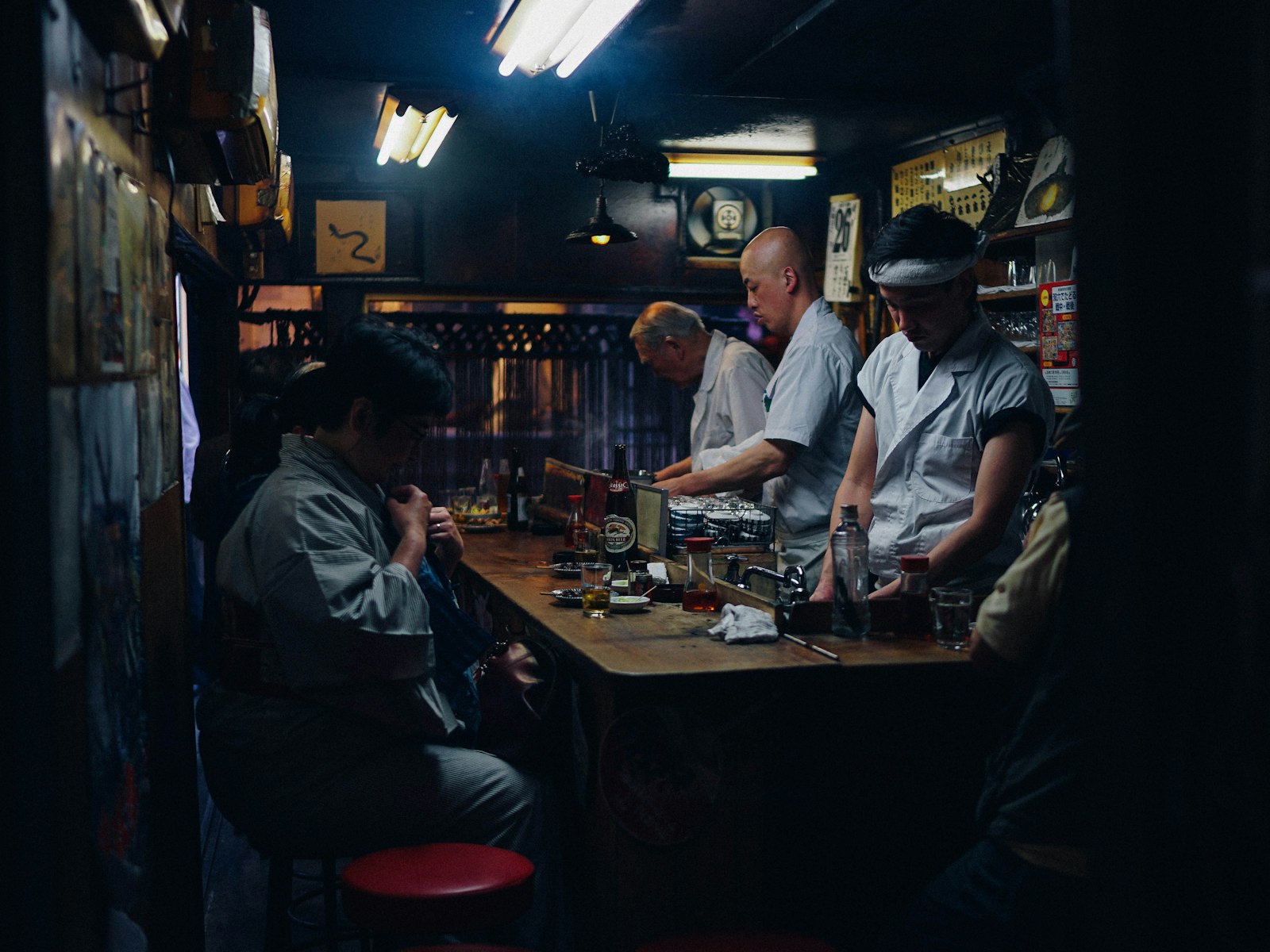
No chairs, no table charge, cash on the counter, and often the cheapest good drinking in the city. Tachinomi are where office workers stop for forty-five minutes on the way home. Turnover is fast, conversation with strangers is normal, and the low prices come from the assumption you won’t stay all night. If you want to drink well on a small budget, Tokyo’s standing bars are the answer.
Snack bars — the ones you can’t walk into
A snack is a small counter bar run by a “mama,” where the product is conversation, not liquor. Regulars come for years. Karaoke is standard. And critically: many snacks quietly decline first-time customers, and a large share decline foreign customers outright — not usually out of hostility but because the mama can’t guarantee she can host you in a language you share. This is the one venue category where showing up alone genuinely may not work. The differences between snacks and the other hostess-style venues are covered in our snack vs kyabakura vs girls bar comparison.
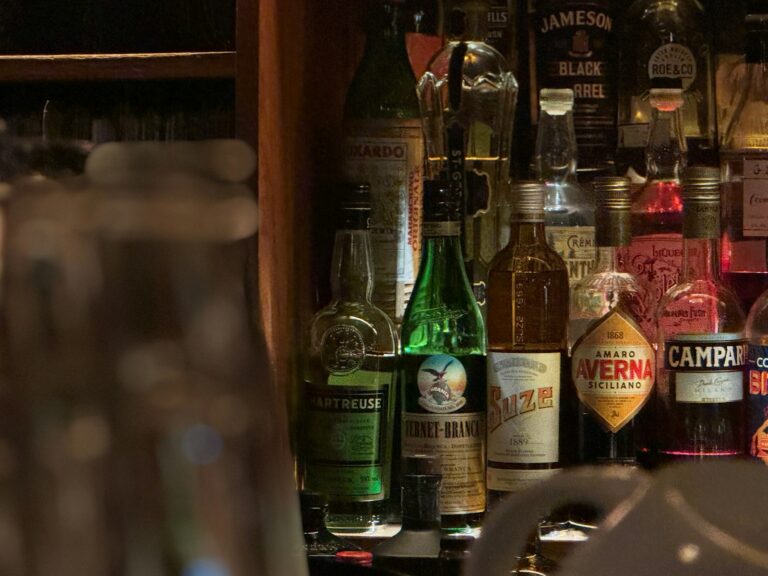
Authentic cocktail bars
Quiet, seated, precise. A bartender in a white jacket will make you the best cocktail of your life and will not chat unless you open the conversation. Volume stays low, phones stay down, and there’s often a seating charge. These are for the second or third stop of a night, not the first.
Yokocho — alley bar districts
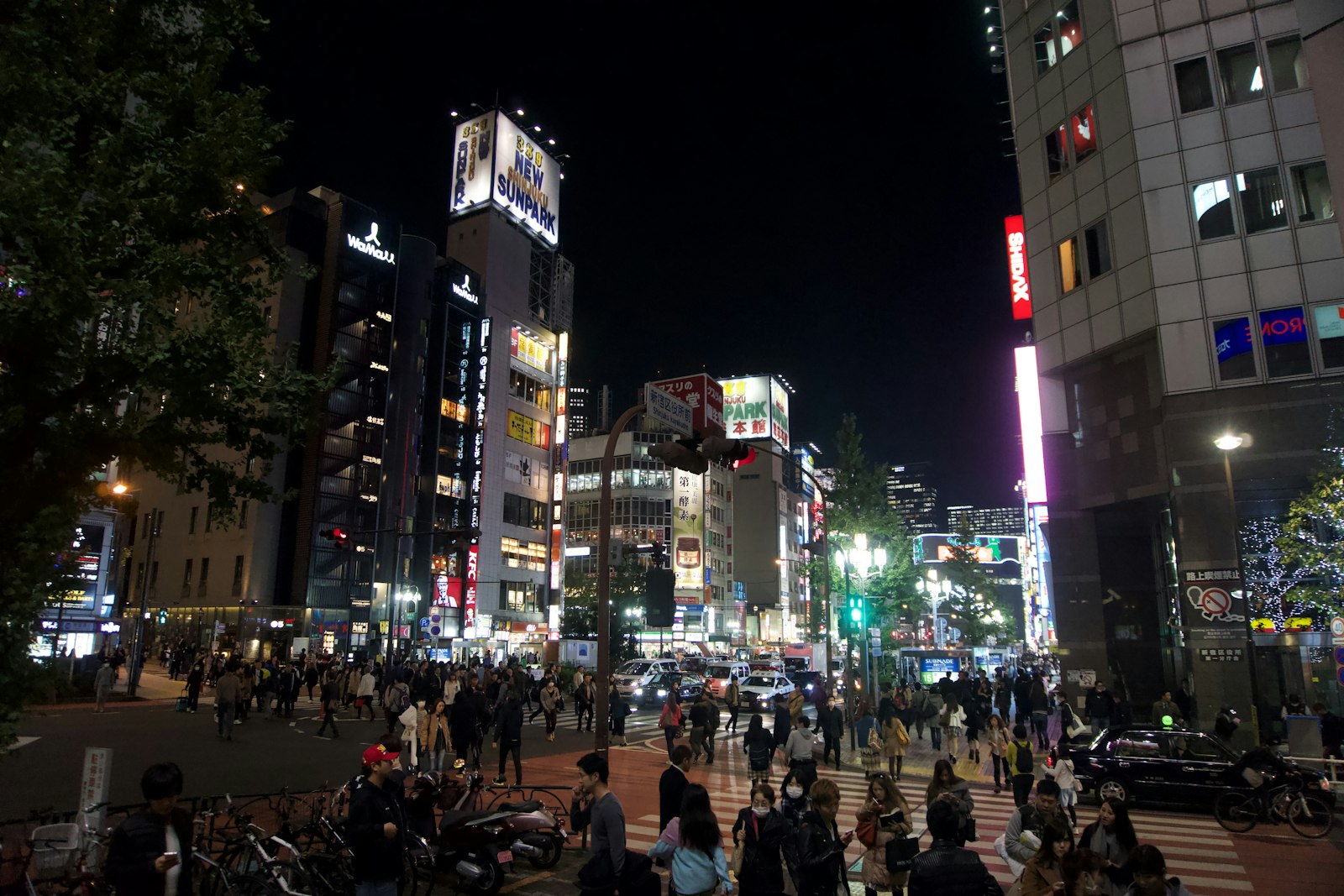
Yokocho are dense clusters of tiny bars in narrow alleys, most famously Shinjuku’s Golden Gai and Omoide Yokocho. Individual shops seat six to ten people. Each has its own personality, its own regulars, and sometimes its own cover charge — which is where visitors get caught out. Our roundup of Tokyo’s best yokocho alleys covers which districts are genuinely welcoming to first-timers.
What People Actually Drink
Forget the tourist assumption that Japan runs on sake. Beer is, by a wide margin, the most-consumed alcohol in the country.
- Beer — draft (“nama”) is the default first round. Lager dominates; craft beer is growing but still niche.
- Highball — whisky and soda, served cold and cheap. This is the drink that saved the Japanese whisky industry and it’s ordered constantly.
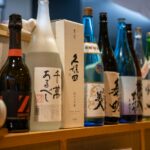
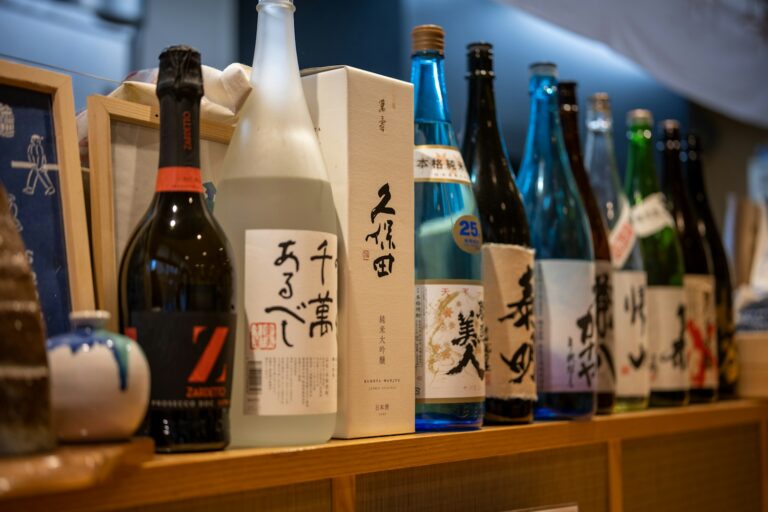
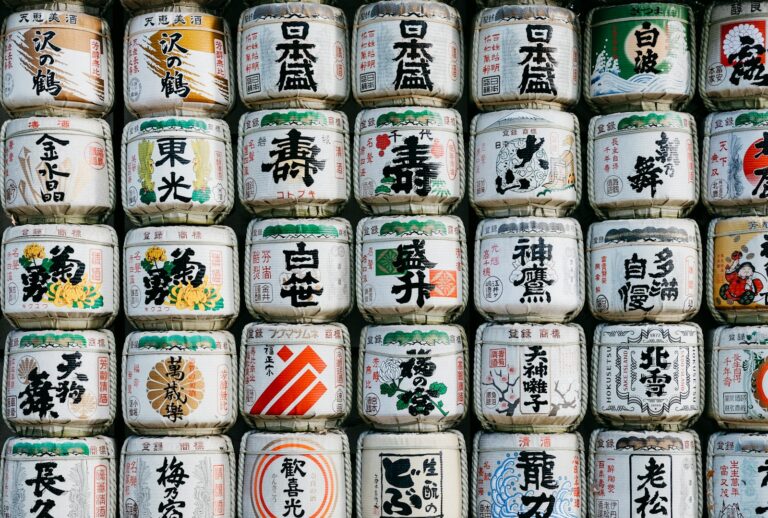
- Nihonshu (sake) — brewed from rice, typically around 15% ABV. Served hot or cold depending on the sake and the season. Ordered mid-meal more often than as an opener.
- Shochu — a distilled spirit made from sweet potato, barley, or rice. Stronger than sake, usually cut with hot water (oyuwari) or cold water (mizuwari).
- Chuhai — shochu with soda and fruit flavouring. Light, sweet, everywhere, and deceptively easy to drink several of.
- Umeshu — plum liqueur, sweet, often the entry point for people who don’t like the taste of alcohol.
A practical note: pour for others, not for yourself. Watch your neighbour’s glass, top it up when it’s low, and let someone do the same for you. When you’re being poured for, lift your glass slightly with both hands. This applies to beer bottles and sake carafes — not to your own draft glass or cocktail.
Otoshi, Nomihoudai, and the Bill Items That Look Like Scams
Almost every “I got ripped off in Japan” story from a normal bar traces back to one of these three things, none of which are scams.
Otoshi (お通し). A small dish arrives that you didn’t order, and a charge — typically a few hundred yen per person — appears on your bill. This is the izakaya’s cover charge, delivered as food rather than a line item. It’s standard, it’s legal, and refusing it marks you as difficult. Budget for it and move on. (Some venues call it tsukidashi; same thing.)
Nomihoudai (飲み放題). All-you-can-drink, sold in fixed blocks — commonly 90 or 120 minutes — usually bundled with a set food course. Last orders come roughly ten minutes before the block ends, and the staff will announce it. It’s genuinely good value for a group. It is also the single most reliable way to end a night much drunker than you planned.
Seating and service charges. Cocktail bars and yokocho shops often charge for the seat itself. The honest ones post it at the door in Japanese and sometimes English. The dishonest ones don’t — and that’s a real problem in specific parts of Kabukicho, not a general feature of Japanese nightlife. If a tout on the street is walking you to a bar, that’s the situation to avoid, not the bar with a posted ¥500 cover.
And the rule that surprises people most: there is no tipping. Not at bars, not at restaurants, not for excellent service. Leaving money on the table will get someone chasing you down the street to return it.
Japanese Drinking Etiquette, Explained in Five Rules
Most etiquette lists are noise. These five are the ones that change how you’re treated:
- Wait for the kanpai. Covered above. It’s the big one.
- Pour for others. Keeping an eye on other people’s glasses is the visible sign that you understand the room.
- Use serving chopsticks for shared plates — or flip your own chopsticks and use the clean ends. Never pass food chopstick-to-chopstick; it mirrors a funeral rite.
- Keep your volume matched to the room. Izakaya are loud and you should be too. Cocktail bars are quiet and you should be too. Reading the room’s volume is 80% of behaving correctly in Japan.
- Don’t get visibly, disruptively drunk in a small venue. Japan is tolerant of drunkenness to a degree that shocks visitors — salarymen asleep on station floors are a genuine sight. But that tolerance is for people quietly failing, not loudly performing.
Looking for Adult Entertainment Services in Tokyo? Download this
I’ve spent over a decade exploring and studying Japan’s adult entertainment scene firsthand. If you’d like detailed insider information—including how to choose the right shop, what services are available, and tips for avoiding common mistakes—check out our exclusive E-book.
Nomikai and Nominication: Drinking as Social Infrastructure
A nomikai is an organised drinking party — usually work colleagues, sometimes a club or a class. It’s not casual after-work drinks; it’s a scheduled event with an attendance expectation, a booked venue, and often a set course with nomihoudai.
The portmanteau nominication (nomu, “to drink” + communication) captures the working theory: that things which can’t be said in the office can be said over drinks, and that trust gets built faster with a beer in hand. For decades this was near-mandatory for career progression in Japanese companies, and it produced a real cost — people who couldn’t drink, wouldn’t drink, or had children to get home to were quietly disadvantaged.
That’s shifting. Younger employees increasingly opt out, companies have grown wary of pressuring staff to drink (alahara, alcohol harassment, is now a recognised term), and the zero-jikai — a pre-drinking meetup before the official party — coexists with a growing willingness to just not go.
You’ll almost certainly never attend a nomikai as a visitor. But knowing the concept explains what you’re seeing on a Friday night in any business district: not a party culture, a work culture.
Nijikai, Sanjikai, and Shime no Ramen: How the Night Ends
Here’s the structure nobody tells tourists about.
A Japanese night out moves venues. The first stop is the ichijikai — typically an izakaya, seated, food-heavy, two hours. Then someone proposes the nijikai (second party): a different bar, a karaoke room, a smaller place. Then, if the group still has energy, the sanjikai. Each stage sheds people, and leaving between stages is completely acceptable — you just say you’re catching your train.
And then the ending: shime no ramen (〆のラーメン). Shime means “the close” — the thing that seals the night. Somewhere after midnight, the surviving members of the group walk to a ramen shop and eat a bowl of ramen standing at a counter or crammed at a small table. It is not a good idea nutritionally and everyone knows it. It’s the punctuation mark, and skipping it feels like leaving a sentence unfinished.
If you take one thing from this article, take this: a Japanese night out is a sequence, not a destination. Plan for three venues and a bowl of ramen, not one bar and a taxi.
Japan Is Drinking Less Than It Used To
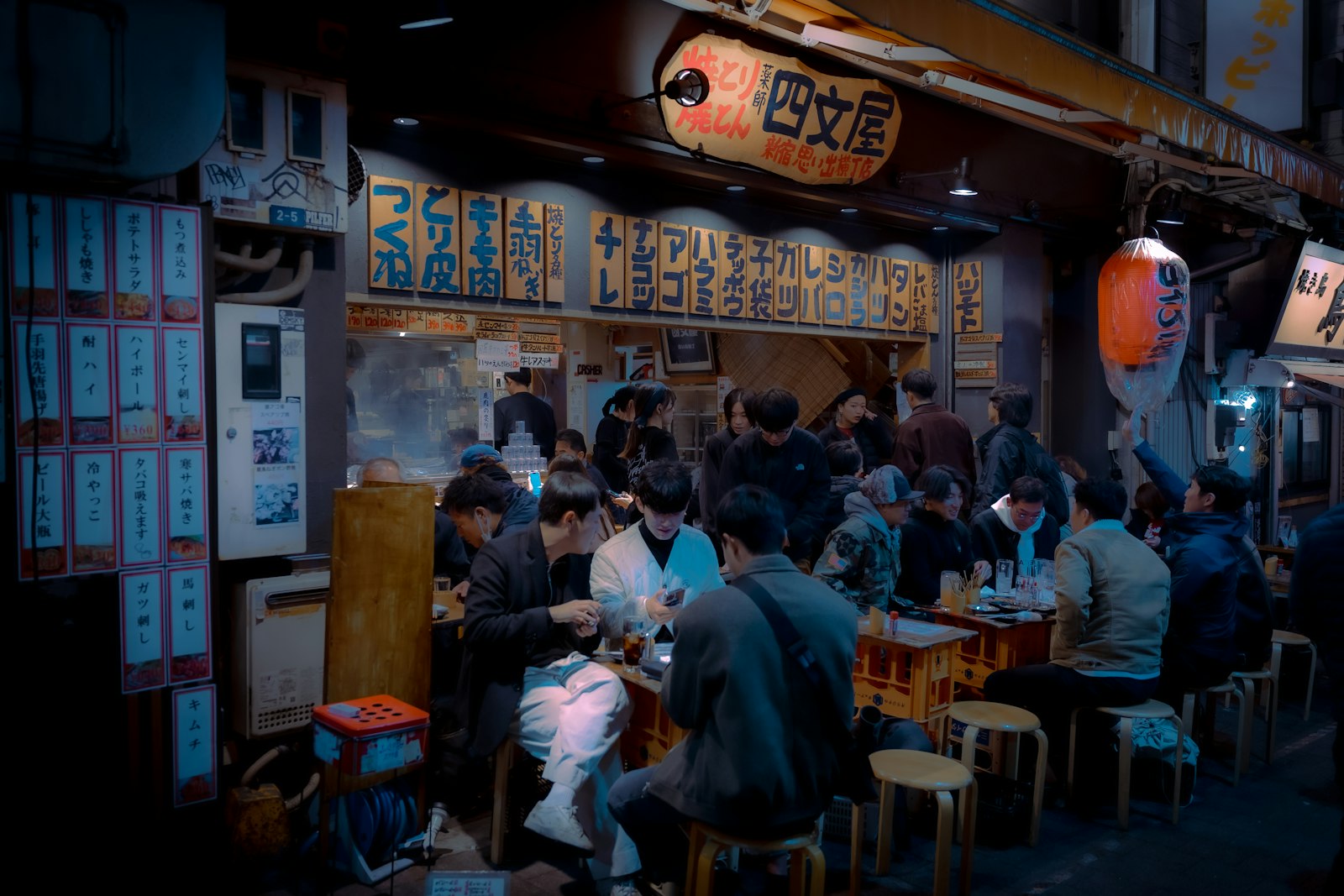
Worth knowing, because it changes what you’ll actually encounter. Japan’s per-capita alcohol consumption has been falling for decades, driven by an ageing population and a younger generation that simply drinks less. The decline got serious enough that in 2022 the National Tax Agency ran a campaign — the widely-mocked “Sake Viva!” contest — asking young people to pitch ideas for getting their own generation to drink more.
In practice this means: non-alcoholic beer and zero-percent chuhai are on almost every menu, “I’m not drinking tonight” is an increasingly normal thing to say, and the hard-drinking salaryman stereotype is a picture of the 1980s more than of now.
The Practical Rules: Age, Public Drinking, and the One Law You Can’t Bend
- The legal drinking age is 20, and it applies to tourists exactly as it applies to residents. Carry your passport; it’s your ID.
- Public drinking is legal. A beer from a convenience store, on a park bench or at a summer festival, is perfectly normal. Some stations, parks, temples and shrines post local bans — those signs are real, so read them.
- Do not drink and drive. At all. Japan’s blood-alcohol limit is 0.03%, penalties run to five years’ imprisonment and fines around one million yen, and — this catches people out — passengers who let a drunk person drive can also be charged. It applies to bicycles too. There is no “one beer is fine” here. Take the train, and if you’ve missed it, take a taxi.
For general trip planning and official information, the Japan National Tourism Organization is the reliable starting point.
If You Don’t Drink
You are fine. Genuinely.
Order an oolong-cha (oolong tea) or a nomu nonaru — non-alcoholic — beer, and join the kanpai with it. Nobody will care. The social act is the toast and the shared table, not the ethanol. The one thing that does register as rude is refusing to participate at all: staying at your desk, skipping the toast, sitting apart. Show up with a tea and you’ve met every expectation that matters.
What do you do in Tokyo After 10?
Join our Tokyo Nightlife Private Tour
You deserve better than overpriced bars and missed opportunities. We’re here for you.
Where to Actually Do This in Tokyo
Reading about Japanese bar culture and walking into it are different problems. The venues that best reward a visitor — the eight-seat yokocho bars, the snacks with a mama who’s been pouring for thirty years, the tachinomi with no English menu — are exactly the ones that are hardest to enter cold. No English signage, no online booking, and sometimes a polite refusal at the door.
That’s the gap a local guide closes. Our Tokyo After 10 nightlife tour is built around this exact sequence: an izakaya to start, a couple of small bars a tourist wouldn’t find or be seated at, and a guide who handles the ordering, the otoshi, the etiquette, and the introduction to the mama — so the only thing you have to do is drink and talk.
Either way, that’s Japanese drinking culture explained end to end, and you now know how the night is supposed to go. Wait for the kanpai, pour for the person next to you, don’t argue about the otoshi, move venues at least once, and finish with the ramen.
Kanpai.