Photo by <a href="https://unsplash.com/@kevinjody15?utm_source=tokyodeepnightlife&utm_medium=referral">Kevin Jody</a> on <a href="https://unsplash.com/?utm_source=tokyodeepnightlife&utm_medium=referral">Unsplash</a>
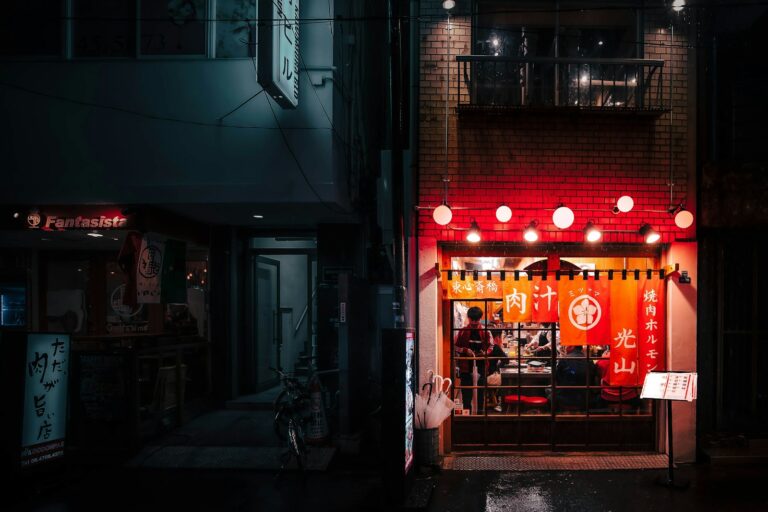
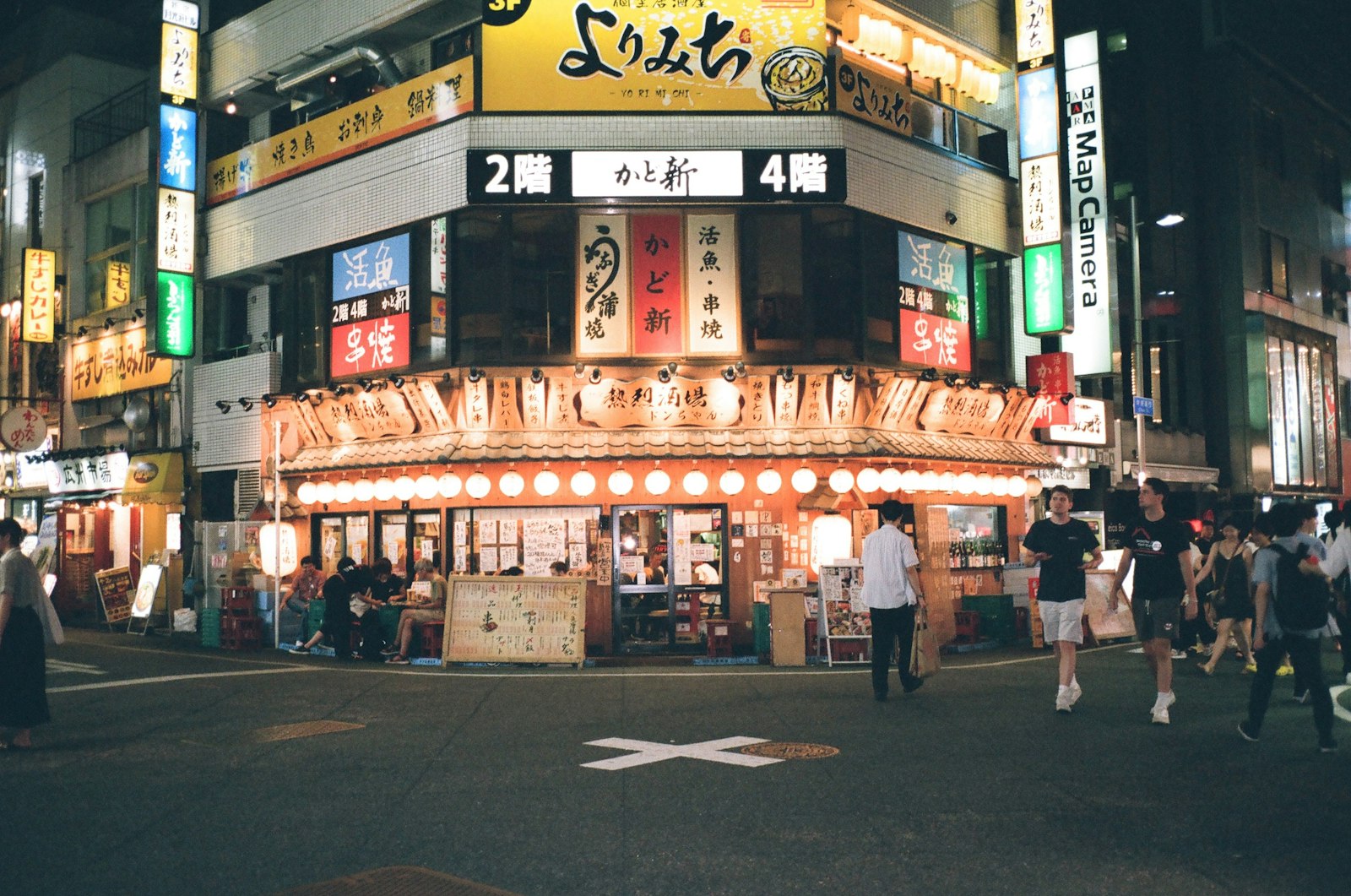
There is a specific moment that happens on almost every Tokyo izakaya tour. You’ve been in the city three days, eating at places with English menus and plastic food displays out front. Then your guide pushes aside a fabric curtain on a street you’d never have turned down, the whole room shouts irasshaimase, and you realize you have just walked into the version of Japan that Japanese people actually live in.
That gap — between the Japan that’s set up for visitors and the Japan that isn’t — is the entire reason a Tokyo izakaya tour is worth your evening. Not because the food is better on a tour. Because the door is open.
This guide covers what an izakaya actually is, what happens on a Tokyo izakaya tour hour by hour, what it costs, the etiquette that keeps you from standing out, and how to tell a good operator from a bad one.
Contents
- What Is an Izakaya? (And What It Isn’t)
- Why Take a Tokyo Izakaya Tour Instead of Going Alone?
- What Actually Happens on a Tokyo Izakaya Tour
- What Does a Tokyo Izakaya Tour Cost?
- Izakaya Etiquette: What to Know Before Your First Tokyo Izakaya Experience
- Where Tokyo Izakaya Tours Actually Go
- What to Order (and What to Drink)
- Phrases Worth Memorizing
- How to Choose a Tokyo Izakaya Tour
- A Note on Staying Out of Trouble
- Frequently Asked Questions
- What do you do in Tokyo After 10?Join our Tokyo Nightlife Private Tour
- Ready to See the Tokyo Most Visitors Never Find?
- About the Author
What Is an Izakaya? (And What It Isn’t)
Start with the word. Izakaya comes from i (居, “to stay”) plus sakaya (酒屋, “sake shop”). Centuries ago, sake shops began letting customers drink on the premises instead of carrying the bottle home. People stayed. Food appeared to go with the drinking. That’s the whole origin story, and it explains the format better than any translation does.
So when people ask what is an izakaya, the honest answer is that it’s a place built around drinking where the food happens to be excellent — not a restaurant that also serves alcohol. The distinction matters for how you use it:
- You order drinks first, then food, then more food across the evening. There is no appetizer-main-dessert arc.
- Everything is shared. Dishes arrive one or two at a time, whenever the kitchen finishes them, and land in the middle of the table. Each person gets a torizara, a small plate to take their portion onto.
- You stay for hours. Two to three hours at one izakaya is completely normal. Nobody is turning your table.
- It’s loud, and that’s correct. Salarymen decompressing, students celebrating, a couple on a third date — all in one room, at volume.
The Japan National Tourism Organization’s izakaya dining guide describes them as somewhere between an Irish pub and a tapas bar, which is a fair shorthand. The closer you get, though, the less any Western comparison holds up.
Izakaya range enormously. There are national chains with photo menus and touchscreen ordering, which are genuinely fine and genuinely cheap. There are counters with eight seats where the owner has been grilling the same six things for thirty years. There are specialists — one that only does chicken, one that only does seafood from a single prefecture. A good Tokyo izakaya tour deliberately shows you two or three different points on that range in one night, which is something you’d struggle to do by accident.
Why Take a Tokyo Izakaya Tour Instead of Going Alone?
Let’s be honest about this, because most articles won’t be: you can absolutely do an izakaya night by yourself. Plenty of visitors do. If you’re an experienced traveler, comfortable pointing at things and being slightly confused for an hour, you’ll have a good time.
Here is what you’re up against solo, though:
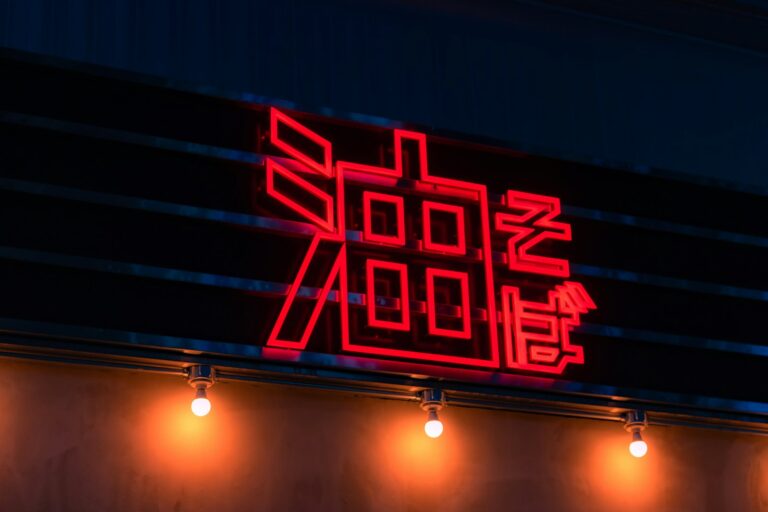
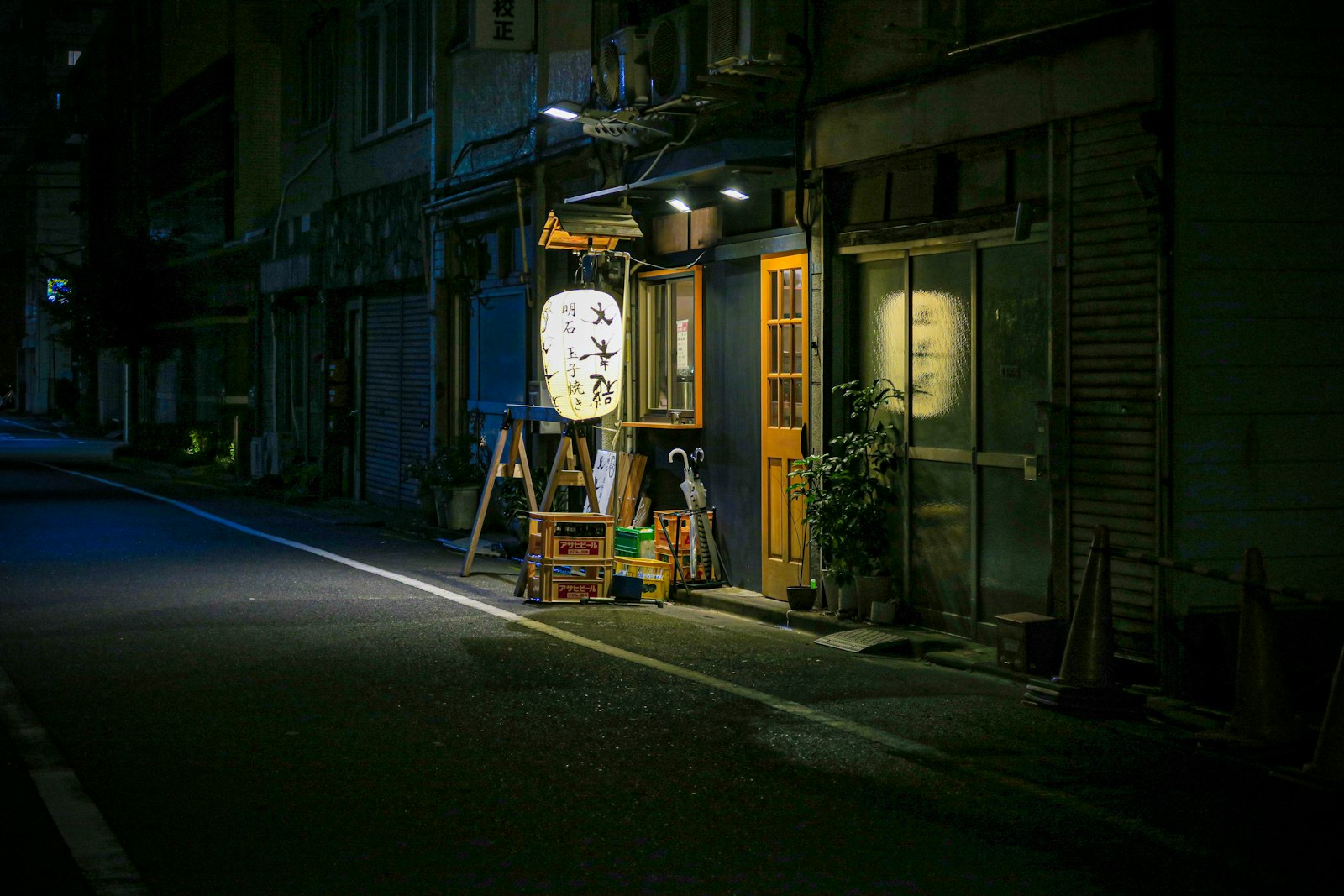
The good ones don’t look inviting. The best small izakaya in Tokyo have a fabric curtain, a paper lantern, and a name written only in kanji. There’s no window. You cannot see inside. Nothing about the exterior tells you whether it’s a warm neighborhood spot or somebody’s private club, so most visitors walk past all of them and end up at the chain with the English sign.
The menu is handwritten. Not printed — handwritten, on strips of paper stuck to the wall, because it changes with what came in that morning. That’s a marker of quality, and it’s also completely unreadable without help. Translation apps do poorly on cursive kanji.
Small places sometimes decline foreign customers, usually not out of hostility but because a counter with eight seats and one staff member genuinely cannot handle a language barrier during the dinner rush. It’s a real thing, it stings, and a guide who is a known regular makes it a non-issue.
You won’t know what to order. Izakaya menus are long. Without context, most people default to the three things they recognize and miss the dish the place is actually famous for.
A guided Tokyo izakaya experience solves all four of those in one move. The guide isn’t just translating — they’re vouching for you, and they know which of the forty items on the wall is the one worth ordering. That’s the real product.
What Actually Happens on a Tokyo Izakaya Tour
Most Tokyo izakaya tours run three to three and a half hours, start between 5:00 and 7:00 pm, and visit three or four venues. Listings on the major booking platforms commonly advertise something like 14 or more tastings plus two to three drinks included.
The evening usually has a deliberate shape:
Stop one — the warm-up. A busy, bright, high-turnover izakaya. Everyone orders nama (draft beer), does the kanpai, and eats grilled skewers and small fried things while the guide explains how the room works. This is where you learn the vocabulary you’ll use for the rest of the night.
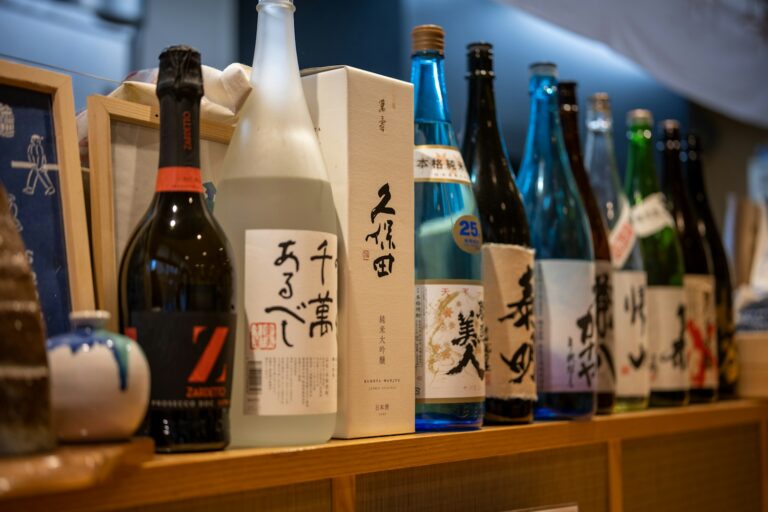
Stop two — the specialist. Quieter, smaller, usually the highlight. This is where the sake comes out and someone pours you three different ones to compare, or where a seafood counter serves you something you would never have ordered from a picture. Expect this stop to run the longest.
Stop three — the alley. The postwar-style narrow lane: standing room, shoulder to shoulder, smoke off the charcoal grill. Short, atmospheric, and where most of the photos happen.
Optional stop four — a tiny bar for one last drink, if the group still has energy.
The pace matters more than the count. A tour that promises six venues in three hours is marching you, not showing you anything. Three stops with time to actually sit is a better night.
What Does a Tokyo Izakaya Tour Cost?
Prices on the booking platforms cluster in a wide band. Budget group crawls start around US$40 per person; most established small-group food tours land in the US$85–170 range, scaling with the number of tastings, how many drinks are included, and whether the group is capped at eight or twenty. A private Tokyo izakaya tour costs more and is worth it if you want the guide’s full attention.
For comparison, doing it yourself: a normal evening at an izakaya runs roughly ¥2,000–¥5,000 per person including drinks, depending on how ambitious you get. So a tour is not cheaper than a DIY night. You’re paying for access, translation, and the elimination of decision fatigue — plus, usually, coverage of the otoshi charge at every stop, which brings us to the thing that confuses visitors more than anything else.
Izakaya Etiquette: What to Know Before Your First Tokyo Izakaya Experience
None of this is difficult. Getting it right just means you spend the evening being treated as a guest rather than as a problem.
**1. The otoshi is not a scam.** Shortly after you sit down, a small dish you didn’t order arrives. This is otoshi, and it’s a seat charge in edible form — typically ¥300–¥600 per person, occasionally closer to ¥1,000 at higher-end places. In a country with no tipping, it’s how the table service gets paid for. It’s charged once per person, it’s not optional at most places, and it is not, despite what a lot of angry review-site posts claim, a tourist scam. Locals pay it too.
2. Drinks first, always. The staff will hover expectantly. Order a round for the table before you touch the food menu. The classic move is toriaezu nama — “draft beer for now” — which is the single most useful phrase in this article.
**3. Don’t drink until kanpai.** Wait for every glass to arrive, raise them together, say kanpai. Starting alone is the most visible foreigner tell there is.
**4. The oshibori is for your hands.** The hot rolled towel is for your hands only. Not your face, not your neck, however tempting after a summer day in Tokyo.
5. Use the serving chopsticks. Shared dishes come with toribashi, communal chopsticks. Use them to move food to your own torizara, not the chopsticks you’ve been eating with.
6. Don’t pour your own drink. Pour for the people around you; someone will fill your glass in return. It’s a small ritual and it does a lot of social work.
7. Bring cash. Card acceptance in Tokyo has improved fast, but tiny owner-run izakaya are still frequently cash-only. Carry ¥10,000 in notes and you’ll never have an awkward moment.
**8. Say gochisousama deshita on the way out.** “Thank you for the meal.” It costs you nothing and it lands every single time.
And the one that isn’t etiquette but matters just as much: never tip. Leaving money on the table will get it chased down the street and returned to you.
Where Tokyo Izakaya Tours Actually Go
Four districts do most of the work on a Tokyo izakaya tour, and they’re genuinely different from each other.
Shinjuku: Omoide Yokocho and the surrounding blocks
Omoide Yokocho — “Memory Lane” — is a cluster of narrow alleys just outside Shinjuku Station’s west side. It grew out of the black market that sprang up in the rubble after World War II, and it still holds roughly sixty tiny bars and eateries, mostly yakitori and motsuyaki (grilled offal) counters, in a footprint you could walk across in ninety seconds. Six seats per shop is typical. Smoke, charcoal, laminated menus curling at the edges.
It is touristy now. It’s also still genuinely good, and it remains the single most photogenic five minutes on any Tokyo izakaya tour. The official Omoide Yokocho site lists current shops. For a fuller breakdown of how to navigate the alley without ending up at the one overpriced place, see our Omoide Yokocho guide.
Shinjuku: Golden Gai
Worth flagging clearly — Golden Gai is a bar district, not an izakaya district. More than 200 shoebox bars packed into a few lanes, many seating five or six people, many charging a cover, and a meaningful number displaying “regulars only” signs. Some tours end here for a nightcap and the experience is excellent, but if a tour bills Golden Gai as its main izakaya content, that’s a category error. Our Golden Gai guide covers which bars welcome first-timers and how the cover charges work.
If you’re building a whole evening in the area, the Shinjuku nightlife guide maps how the district’s zones connect.
Shimbashi and Yurakucho: the salaryman heartland
If you want the least performative version of izakaya culture in Tokyo, go here. Shimbashi is office towers, and at 6:00 pm it empties into hundreds of izakaya packed with men in suits who have done this every Friday for twenty years. Yurakucho adds the gado-shita — izakaya built directly into the brick arches under the elevated train tracks, where a Yamanote line train rumbles overhead every three minutes while you eat.
Almost no English. Almost no tourists. This is where a guide earns their fee.
Ebisu and Nakameguro: the modern end
Younger, more design-conscious, better sake lists, higher prices. Ebisu in particular has a dense concentration of small izakaya doing serious food — this is the neighborhood for a tour that leans culinary rather than atmospheric.
Looking for Adult Entertainment Services in Tokyo? Download this
I’ve spent over a decade exploring and studying Japan’s adult entertainment scene firsthand. If you’d like detailed insider information—including how to choose the right shop, what services are available, and tips for avoiding common mistakes—check out our exclusive E-book.
What to Order (and What to Drink)
Order in waves, not all at once. Three or four dishes, then reassess.
The dishes that show up on nearly every menu, and are nearly always good:
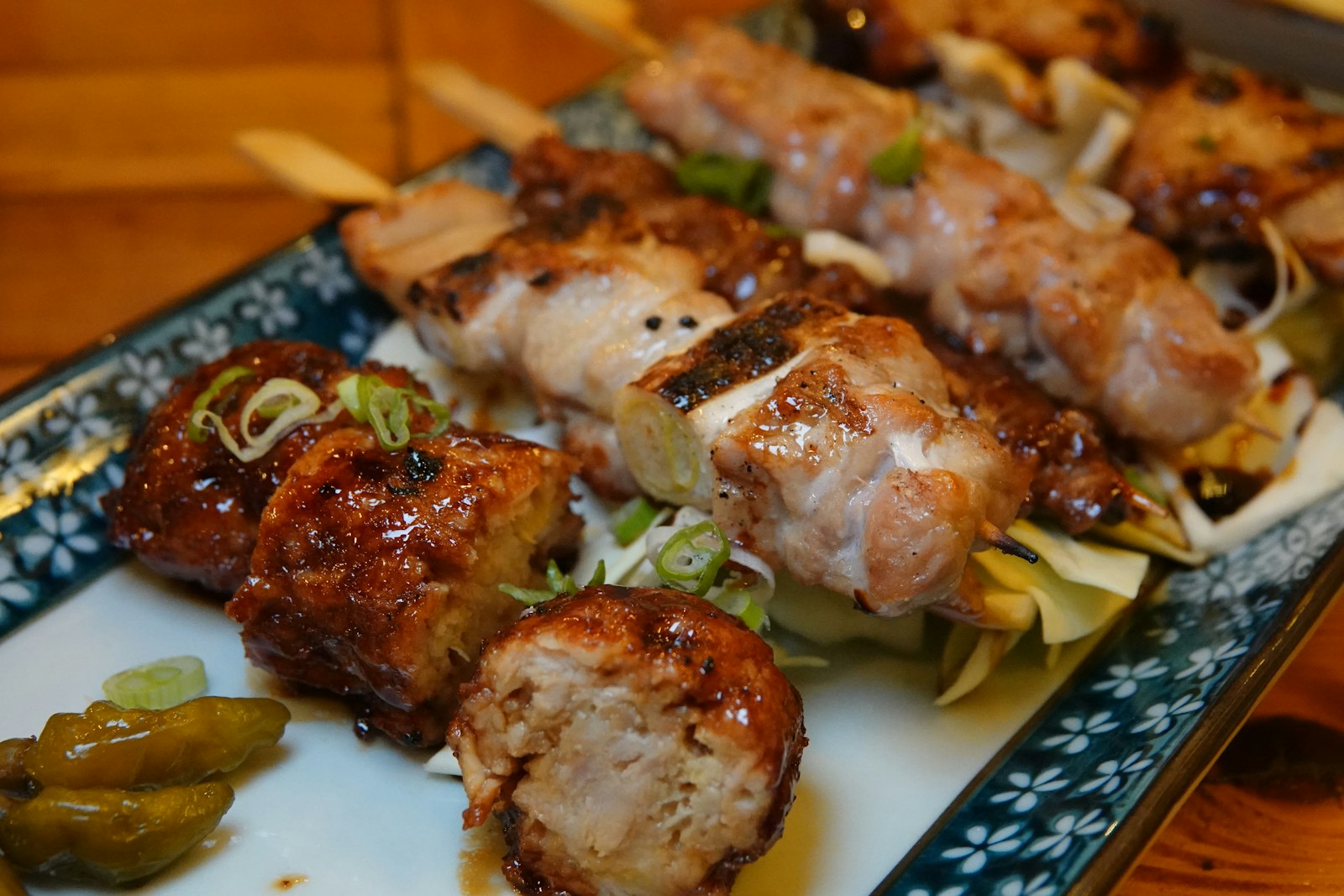
- Yakitori — grilled chicken skewers. Order momo (thigh), negima (thigh and scallion), and tsukune (meatball). Choose tare (sweet soy glaze) or shio (salt); salt is the connoisseur’s pick.
- Karaage — Japanese fried chicken. The bar by which many people quietly judge an izakaya.
- Edamame — arrives fast, exists to be eaten while you wait.
- Agedashi dofu — fried tofu in hot dashi broth. Gentle, and a good vegetarian anchor.
- Sashimi moriawase — assorted sashimi. Order this at seafood-focused places, skip it at chicken specialists.
- Dashimaki tamago — rolled omelette, savory with dashi. Technically demanding, so it tells you a lot about the kitchen.
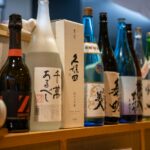
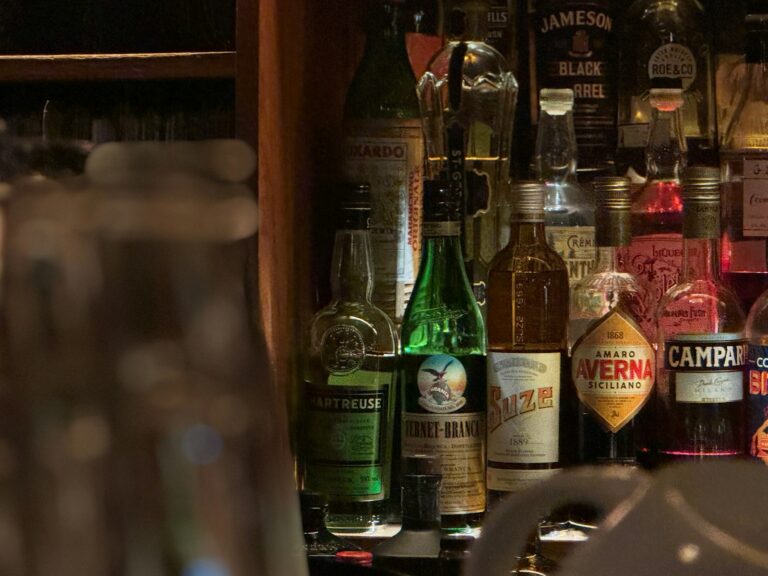
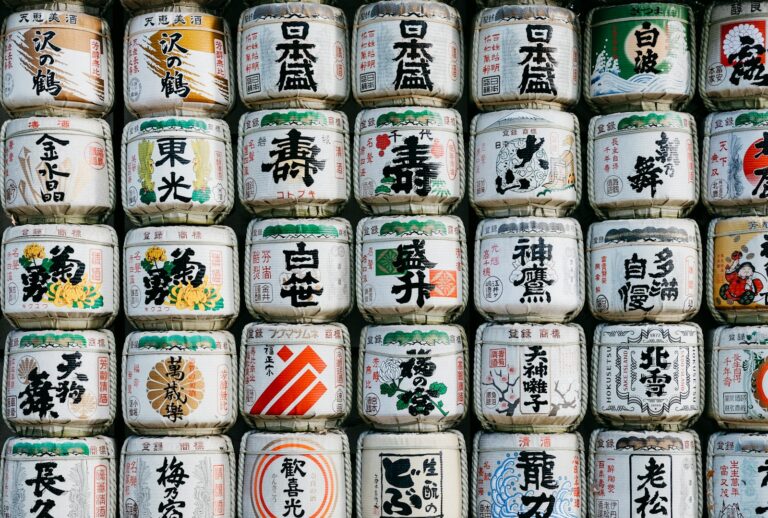
On the drinks side: nama (draft beer) to start, highball (whisky and soda, extremely popular and very easy drinking), chu-hai (shochu with soda and fruit — lemon is the default), nihonshu (sake — ask osusume wa nan desu ka?, “what do you recommend?”), and umeshu (plum wine, sweet, good closer). Non-drinkers are well served: oolong tea is ubiquitous and ordering it carries zero stigma.
You’ll also see nomihoudai — all-you-can-drink, usually 90 or 120 minutes for a flat fee. Great value for groups, and something a tour may or may not build in. Ask before booking if it matters to you.
Phrases Worth Memorizing
| Japanese | Meaning | When |
|---|---|---|
| Sumimasen | Excuse me | To call staff over — say it out loud, it’s expected |
| Toriaezu nama | A draft beer for now | Your first order |
| Kanpai | Cheers | Once everyone has a glass |
| Osusume wa nan desu ka? | What do you recommend? | Unlocks the best dish on the menu |
| Kore o kudasai | This one, please | While pointing |
| Okaikei onegaishimasu | The bill, please | At the end |
| Gochisousama deshita | Thank you for the meal | On the way out |
How to Choose a Tokyo Izakaya Tour
Booking platforms make every Tokyo izakaya tour listing look identical. These are the things that actually separate them:
Group size. Under eight is the threshold. Above that, small izakaya physically cannot seat you together, so the tour gets pushed toward larger chain venues — which defeats the purpose.
Number of stops versus duration. Three venues in three hours is a good ratio. Five or six in the same window means you’re being marched.
What “drinks included” covers. Two or three drinks is standard. Check whether it means any drink or only beer, and whether the otoshi at each stop is covered or billed to you at the end.
Whether the guide is local. A guide who is a regular at the venues gets a different reception than one working from a booking sheet, and you’ll feel the difference within ten minutes of the first stop.
Dietary requirements. Izakaya food is heavy on chicken, pork, and fish, and dashi (fish stock) is in more dishes than you’d guess. Vegetarian and halal accommodations are possible but must be arranged in advance — never assume.
Meeting point clarity. Shinjuku Station has over 200 exits. A listing that says “meet at Shinjuku Station” without specifying which exit is a small but real signal about how the operation is run.
One more thing: book a food tour early in your trip, not late. Everything you learn on night two makes nights three through ten better.
A Note on Staying Out of Trouble
Izakaya themselves are about as safe as dining gets — Tokyo’s problems after dark are concentrated in a specific, avoidable category. The rule that covers nearly all of it: never follow a street tout into a bar. If someone approaches you on the street in Kabukicho or Roppongi offering cheap drinks, the answer is no, every time, without exception. Legitimate izakaya do not need to recruit on the pavement.
Our Tokyo nightlife scams and safety guide breaks down how the common setups work and what to do if you find yourself in one. Read it once before you go out and you’ve handled the whole issue.
Frequently Asked Questions
Are izakaya family-friendly? Many are, especially chains and earlier in the evening. Smaller counter izakaya and late-night spots generally aren’t. Most guided tours are adults-only, so check the age policy before booking.
Do I have to drink alcohol? No. Oolong tea, ginger ale, and non-alcoholic beer are standard on every menu, and ordering them attracts no attention at all. Tell the tour operator in advance and they’ll usually adjust rather than charge you for drinks you won’t have.
Can I smoke, or will people be smoking around me? Japan tightened its indoor smoking rules in 2020, and most izakaya are now non-smoking or have separated rooms. Small, long-established places are the most likely exception. If it matters, ask before booking.
Is a Tokyo izakaya tour worth it if I’ve been to Japan before? It depends on what your previous trips looked like. If you’ve mostly eaten at places with English menus, yes — this is a different tier of experience. If you already read some Japanese and have a neighborhood spot you return to, you probably don’t need one.
How much should I budget beyond the tour price? Bring ¥5,000–¥10,000 in cash. Most of it stays in your wallet, but extra drinks, a fourth stop, or a cash-only venue can all come up.
What do you do in Tokyo After 10?
Join our Tokyo Nightlife Private Tour
You deserve better than overpriced bars and missed opportunities. We’re here for you.
Ready to See the Tokyo Most Visitors Never Find?
An izakaya is not a difficult place. It’s a room full of people relaxing, which is the least intimidating thing in the world once you’re inside one. The only genuinely hard part is the door — knowing which one to open, and being welcome when you do.
That’s what a guide is for. If you’d rather spend your evening eating and talking than deciphering a handwritten menu, KOKYO Tours’ Tokyo After 10 night tour is built exactly around that: a local who knows the owners, walking you into the places that don’t have a sign in English and don’t need one.
Either way — go. Push the curtain aside. Say toriaezu nama. The rest takes care of itself.