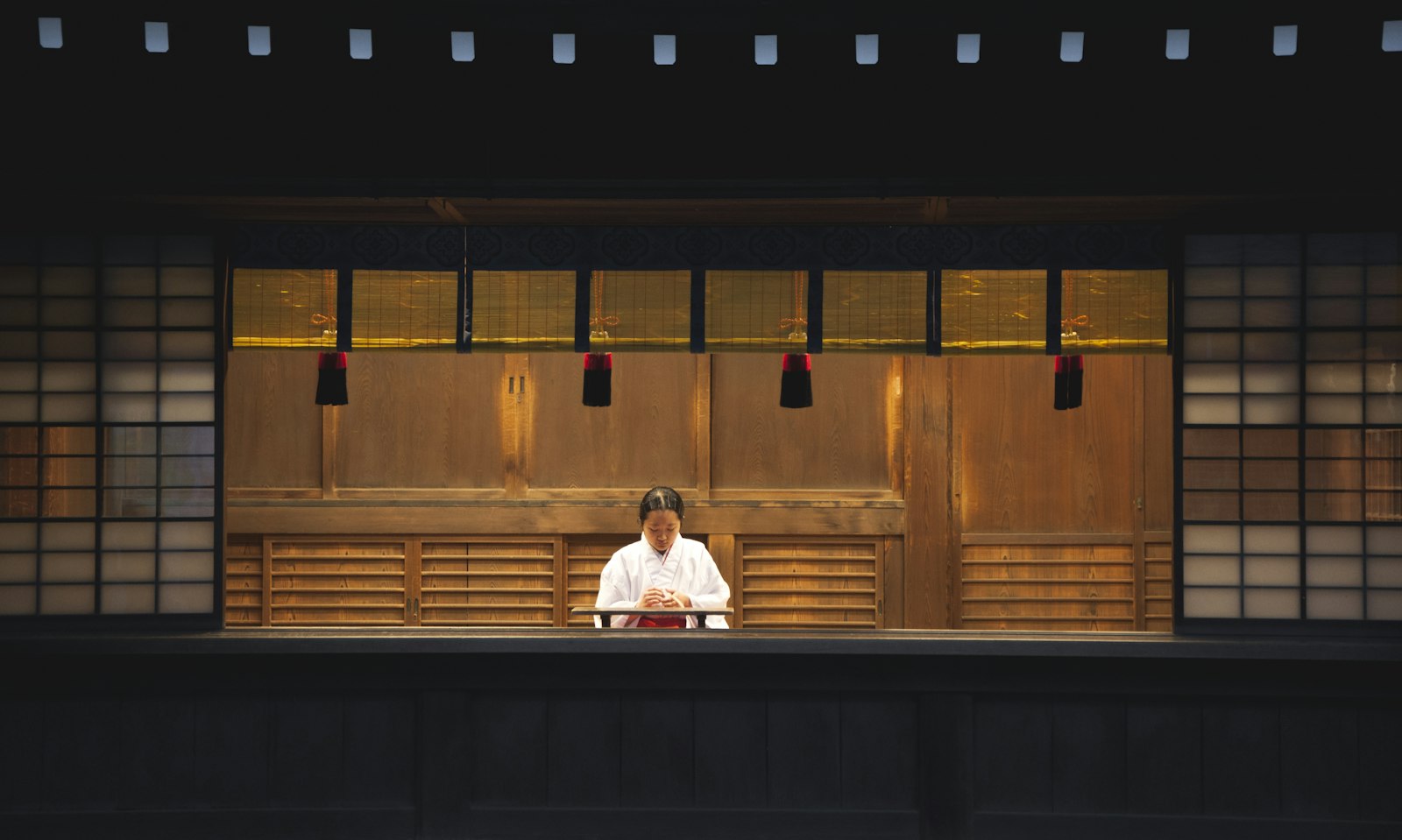
Photo by <a href="https://unsplash.com/@hktram0311?utm_source=tokyodeepnightlife&utm_medium=referral">HANVIN CHEONG</a> on <a href="https://unsplash.com/?utm_source=tokyodeepnightlife&utm_medium=referral">Unsplash</a>
It’s 11pm, you’ve just finished a bowl of ramen in Shinjuku, and your hotel is three stops away. Walk to the station on your own, or call it a night early? If you’re asking “is Tokyo safe for women alone at night?”, you’re asking the right question before your trip, not after it.
Here’s the honest answer from people who live here: yes, for the most part. Tokyo is one of the most comfortable big cities in the world for a woman to explore alone after dark. Streets stay lit and busy, convenience stores are open all night, and violent street crime against tourists is rare.
But “safe” isn’t the same as “nothing to think about.” Groping on crowded trains, drink spiking in a few nightlife districts, and pushy touts are real. This guide tells you exactly where you can switch off, where you should switch on, and the small habits that make a solo night out in Tokyo stress-free.
Contents
- The Short Answer: Is Tokyo Safe for Women Alone at Night?
- What Official Travel Advice Says About Tokyo at Night
- Tokyo Areas at Night: Where to Relax and Where to Stay Alert
- Trains After Dark: Women-Only Cars, Groping and Last Trains
- Taxis and Walking Home Alone in Tokyo
- Drinking Alone as a Woman in Tokyo: Bar and Club Safety
- Emergency Numbers and Apps to Save Before You Go
- Quick Checklist: Tokyo Night Safety Tips for Solo Women
- FAQ: Is Tokyo Safe for Women Alone at Night?
- What do you do in Tokyo After 10?Join our Tokyo Nightlife Private Tour
- Want to Explore Tokyo After Dark Without the Guesswork?
- About the Author
The Short Answer: Is Tokyo Safe for Women Alone at Night?
For most travelers, in most neighborhoods, at most hours: yes. Plenty of Japanese women walk home alone after midnight, take the last train in heels, and stop at a konbini on the way. You’ll see it everywhere.
What makes Tokyo feel different from many Western cities is the background level of order. There are people around until late, small police boxes (koban) sit near most major stations, and lost phones and wallets often make their way back to their owners. Few people will approach you on the street at all, let alone aggressively.
The risks that do exist are specific and predictable. They cluster in three places:
- Packed trains, where groping (chikan) is a known problem
- Bars and clubs in certain districts, where drink spiking and bill fraud have been reported
- Touts and “friendly strangers” in entertainment areas who steer you toward overpriced venues
If you know about those three, you’ve covered most of what can go wrong. The rest of this guide goes through each one.
What Official Travel Advice Says About Tokyo at Night
It’s worth knowing what governments actually tell their citizens, because it cuts through both the “Japan is perfectly safe” hype and the scare stories.
The UK government’s Japan travel advice says Tokyo’s entertainment districts carry a higher risk of crime, especially at night around clubs and bars. It names four areas the police treat as higher risk: Kabukicho, Roppongi, Shibuya and Ikebukuro. It reports increased cases of drink spiking and credit card fraud, and advises not accepting drinks from strangers or leaving your drink unattended.
The same guidance says rape and sexual assault are rare but can happen. It also notes that female passengers on commuter trains have experienced touching and upskirting.
Notice what’s not on that list: random street violence, muggings in quiet residential streets, or danger on the trains late at night. The risks are about nightlife venues and crowds, not about simply being a woman out alone. So when someone asks whether Tokyo is safe for women alone at night, the official answer is closer to “yes, with nightlife precautions” than “be careful everywhere.”
Tokyo Areas at Night: Where to Relax and Where to Stay Alert
Tokyo isn’t one city so much as dozens of neighborhoods with very different moods after dark. Here’s how they break down for a woman going out solo.
Generally Relaxed After Dark
Most of the city falls into this category. Residential areas, shopping districts and sightseeing spots tend to be calm in the evening. Asakusa quiets down early once the temple crowds leave. Ginza and Marunouchi are polished and well-lit. Neighborhoods like Shimokitazawa, Nakameguro and Kichijoji have a laid-back, local feel with small bars and cafes.
The main “risk” in these areas is that things close earlier than you expect, so streets can feel empty. Empty isn’t the same as dangerous in Tokyo, but stick to main roads if a side street feels too quiet.
Lively But Fine With Common Sense
Shinjuku outside Kabukicho, Shibuya’s main streets and Ebisu are busy, fun and full of people well past midnight. Most women find them comfortable. Shibuya is on the official higher-risk list mainly because of its club scene, so the usual nightlife rules apply once you’re inside a venue.
Small-bar alleys like Golden Gai and Omoide Yokocho are generally friendly, but some bars have cover charges or don’t welcome tourists. Our guide to scam-proofing a night in Kabukicho and Shinjuku covers how to tell the difference.
Where to Be Most Careful: Kabukicho, Roppongi and Ikebukuro
These are the areas where touts, aggressive sales tactics and drink-related problems concentrate.
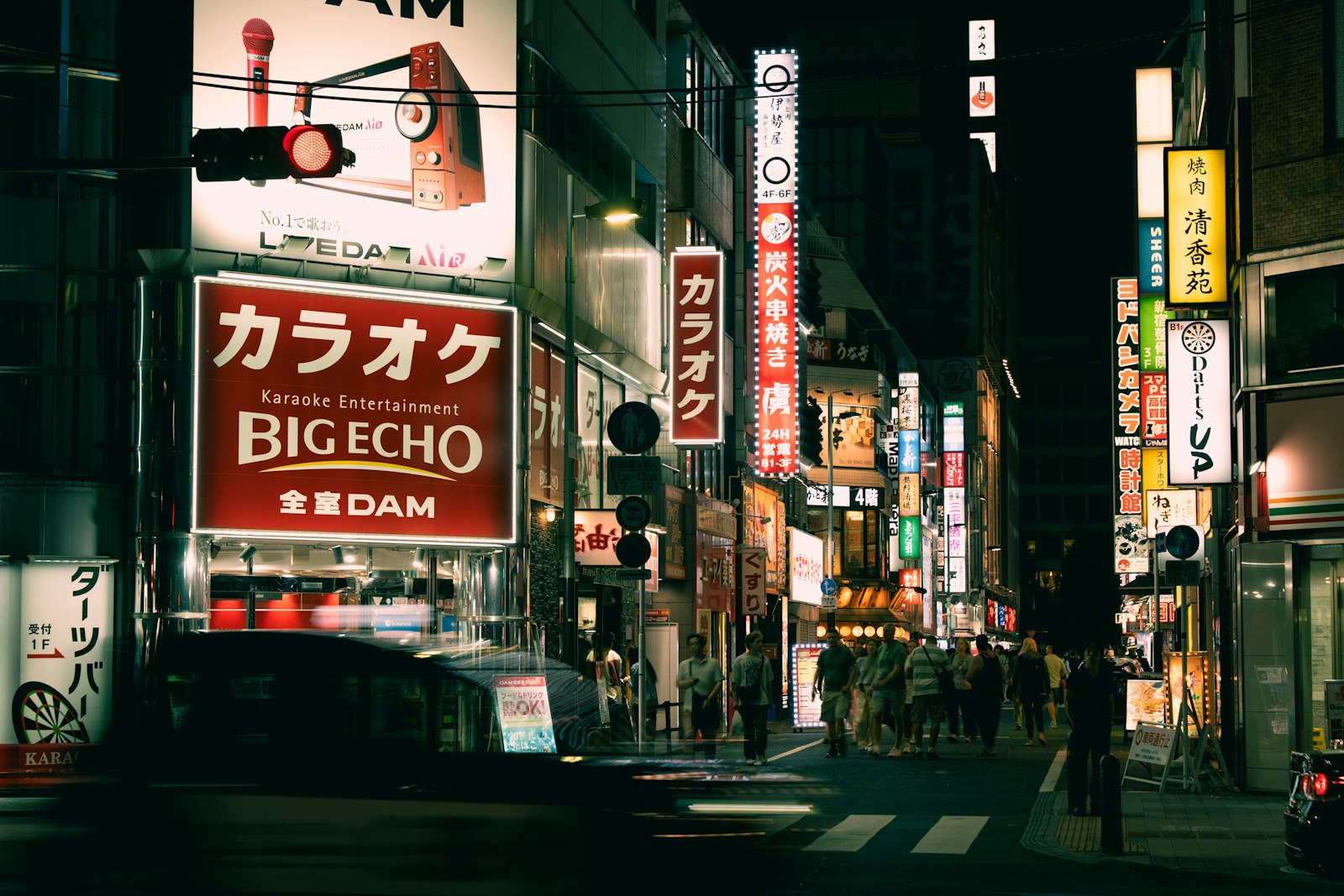
- Kabukicho (Shinjuku): Walking through the main streets at night is fine, and many visitors do it for the neon alone. The problems start when someone on the street invites you into a bar, club or “special” venue. Never follow a tout, no matter how friendly they seem.
- Roppongi: This is the area most often mentioned in embassy warnings about drink spiking and card fraud. The clubs here are popular with foreigners, which is exactly why some bad actors target the area.
- Ikebukuro: Mostly a shopping and anime hub, but the streets around the station’s entertainment blocks have their share of touts late at night.
None of this means “don’t go.” It means go in with a plan, choose venues before you arrive rather than on the street, and keep control of your own drink.
Trains After Dark: Women-Only Cars, Groping and Last Trains
For many women, the train is the biggest worry. In reality, a late-evening train ride across Tokyo is usually quiet and uneventful. The real risk is crowds, not darkness.
How Women-Only Cars Work
Several Tokyo rail lines run women-only cars (josei senyo sharyo). Most only operate during the weekday morning rush, but a few run at night too. According to a 2026 rundown by Metropolis Japan:
- Keio Line: car 1 is women-only between Shinjuku and Chofu from 6pm until the last train on weekdays
- JR Saikyo Line: car 10 heading toward Kawagoe is women-only from 11pm until the last train on weekdays
- Tokyo Metro Ginza and Marunouchi Lines: no women-only cars
Elementary-school-age boys and passengers with disabilities may also ride in these cars. Positions and hours change, so look for the pink signs painted on the platform floor and on the car itself.
If Someone Gropes You on a Train
Groping happens mostly on packed rush-hour trains, which is also when women-only cars are most common. Official advice is to shout to draw attention and ask another passenger to call staff. Japanese bystanders and station staff take it seriously, and train staff can contact the police.
The Tokyo Metropolitan Police Department’s free Digi Police app has an anti-groping function. It can play a loud voice saying “stop it” in Japanese, or show a full-screen message asking nearby passengers for help without you having to speak. Download it before your trip if you’ll ride rush-hour trains.
Don’t Get Stranded After the Last Train
Missing the last train is a bigger practical risk than crime. Most Tokyo lines wind down somewhere between midnight and 1am, and the exact time varies by line, station and direction. Check the last departure on your route app before your second drink, not after your fourth.
Our Tokyo last train guide explains how to plan around it, and what your options are if you miss it.
Taxis and Walking Home Alone in Tokyo
Taxis in Tokyo are licensed, metered and generally professional. Drivers rarely talk much, and there’s no culture of negotiating fares. For a woman heading home alone late at night, a taxi is often the simplest and safest option.
The GO app is the most widely recommended taxi app for visitors. It has an English interface and lets you pay by card, so you don’t need to explain your destination or handle cash. You can also flag taxis on the street or use the taxi ranks outside major stations. For a sense of how much a late ride costs, see our breakdown of taxi fares at night in Tokyo.
If you’re walking:
- Stick to main roads rather than shortcuts through dark parks or alleys
- Know where the nearest koban is; most big stations have one close by
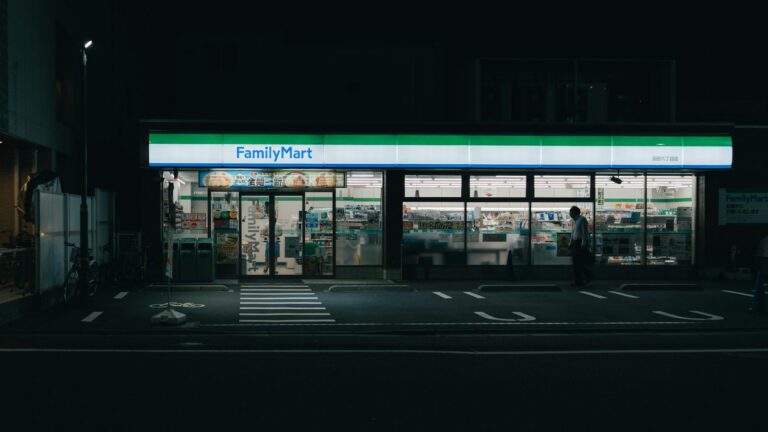
- Treat convenience stores as safe stops. They’re bright, staffed 24 hours and everywhere
- Share your live location with a friend if you’re out late in an unfamiliar area
One honest note: occasional unwanted attention does happen, usually in the form of a man trying to start a conversation or following someone for a short distance. Walking into a konbini or toward a station usually ends it.
Looking for Adult Entertainment Services in Tokyo? Download this
I’ve spent over a decade exploring and studying Japan’s adult entertainment scene firsthand. If you’d like detailed insider information—including how to choose the right shop, what services are available, and tips for avoiding common mistakes—check out our exclusive E-book.
Drinking Alone as a Woman in Tokyo: Bar and Club Safety
Drinking solo is completely normal in Tokyo. Counter seats at izakaya and small bars are designed for one, and plenty of Japanese women drink alone. The rules below aren’t about avoiding bars. They’re about avoiding the specific traps.
How to Stay Safe in Bars
- Choose your venue in advance. The single best rule. Pick places from reviews or recommendations, not from someone who approached you on the street.
- Watch your drink. Don’t accept drinks from strangers, and don’t leave yours unattended. Both points come straight from official travel advice.
- Check the price system before ordering. Ask about cover charges, seating fees and drink prices. A legitimate bar will tell you clearly.
- Pay as you go where possible, and don’t hand over your credit card to be held behind the bar.
- Know your limit. Strong highballs and generous pours add up fast, and most problems start when someone loses track.
Cover charges (often called otoshi or table charge) are a normal part of Japanese bar culture and not a scam in themselves. The red flag is when nobody will tell you the price before you sit down.
Clubs and Late-Night Venues
Clubs are where the official warnings about drink spiking are most relevant. Go with a friend if you can. If you go alone, stay on the main floor, buy your own drinks directly from the bar, and plan your ride home before you head in. If you feel suddenly much drunker than you should, tell staff immediately and get somewhere safe.
Emergency Numbers and Apps to Save Before You Go
Save these in your phone before you land. You hope you’ll never need them, but it’s much easier to have them ready.
| Situation | Who to contact |
|---|---|
| Crime or immediate danger | Police: 110 |
| Ambulance or fire | 119 |
| Help in English, 24 hours a day | Japan Visitor Hotline (JNTO): 050-3816-2787 |
| Harassment on a train | Station staff, or the Digi Police app |
| Non-urgent help on the street | The nearest koban (police box) |
The Japan Visitor Hotline is run by the Japan National Tourism Organization and operates 24 hours a day, 365 days a year, in English, Chinese and Korean.
Useful apps to download:
- Google Maps for walking routes and train times
- GO for taxis in English
- Digi Police for its anti-groping alarm
- Google Translate with offline Japanese downloaded, in case you need to explain something to staff or police
Quick Checklist: Tokyo Night Safety Tips for Solo Women
If you only remember one section, make it this one.
- Tokyo’s streets are generally safe at night. Your main risks are crowds, touts and drinks, not dark streets.
- Never follow a street tout into a bar, club or restaurant.
- Choose bars and clubs in advance, and confirm prices before ordering.
- Don’t accept drinks from strangers or leave yours unattended.
- Use women-only cars when they’re running, and check platform signs for hours.
- Shout and get help if you’re groped. Staff and bystanders will respond.
- Check your last train time early in the evening.
- Use the GO app or a taxi rank for late rides home.
- Save 110, 119 and the Japan Visitor Hotline in your phone.
- If a street feels too quiet, head for a konbini or station.
FAQ: Is Tokyo Safe for Women Alone at Night?
Is it safe to walk alone in Tokyo at 2am? In busy central areas, generally yes. Many locals do it. Stick to main roads, avoid engaging with touts, and remember that trains have stopped by then, so plan for a taxi.
Is Kabukicho safe for a woman alone? Walking through it to see the lights is fine. The risk comes from following touts or entering unknown bars. If you want to drink there, pick a place beforehand or go with someone who knows the area.
Do I need to use the women-only cars? No. They’re optional, and most only run during rush hour. They’re a good choice on crowded trains, where groping is most likely.
Is Tokyo safe for solo female travelers compared to other big cities? Most solo travelers find it more relaxed than other major cities, especially for walking around at night. The specific risks are different, though, so it’s worth knowing them rather than assuming nothing can happen.
What do you do in Tokyo After 10?
Join our Tokyo Nightlife Private Tour
You deserve better than overpriced bars and missed opportunities. We’re here for you.
Want to Explore Tokyo After Dark Without the Guesswork?
So, is Tokyo safe for women alone at night? Overwhelmingly yes, as long as you know which situations to steer clear of. The city rewards solo explorers: counter seats built for one, late-night ramen, neon alleys and bartenders who remember your order.
The hardest part isn’t safety. It’s knowing which doors to open. Many of Tokyo’s best bars are tiny, unmarked and easy to walk past, while the places that try hardest to pull you in are often the ones to avoid.
If you’d rather spend your night enjoying the city than second-guessing every sign, a local guide can take the uncertainty out of it. Our Tokyo After 10 private nightlife tour takes you through hand-picked bars and izakaya with someone who knows the neighborhoods, the prices and the etiquette. It’s an easy way to see Tokyo after dark on your own terms, and to come away knowing where you’d happily go back alone. And if you’re traveling with friends, our guide to a Tokyo girls’ night out has ideas for planning the evening together.