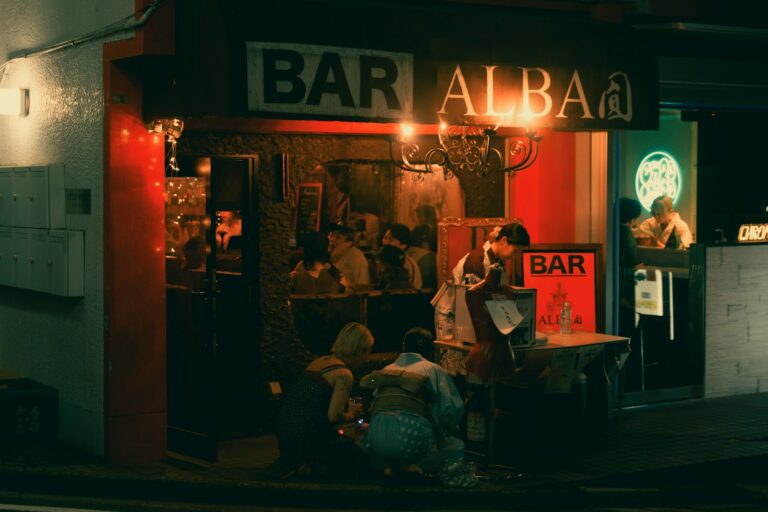
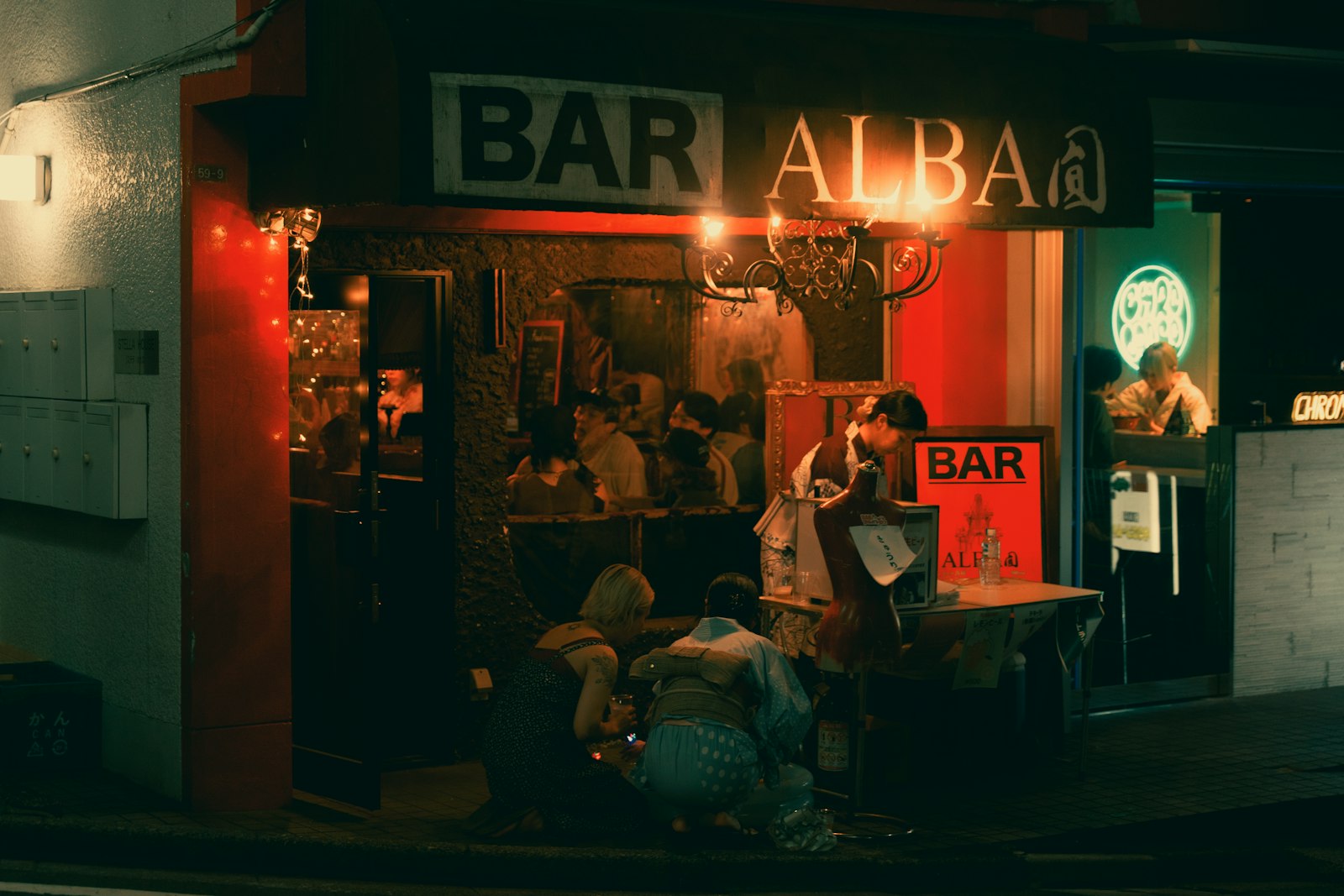
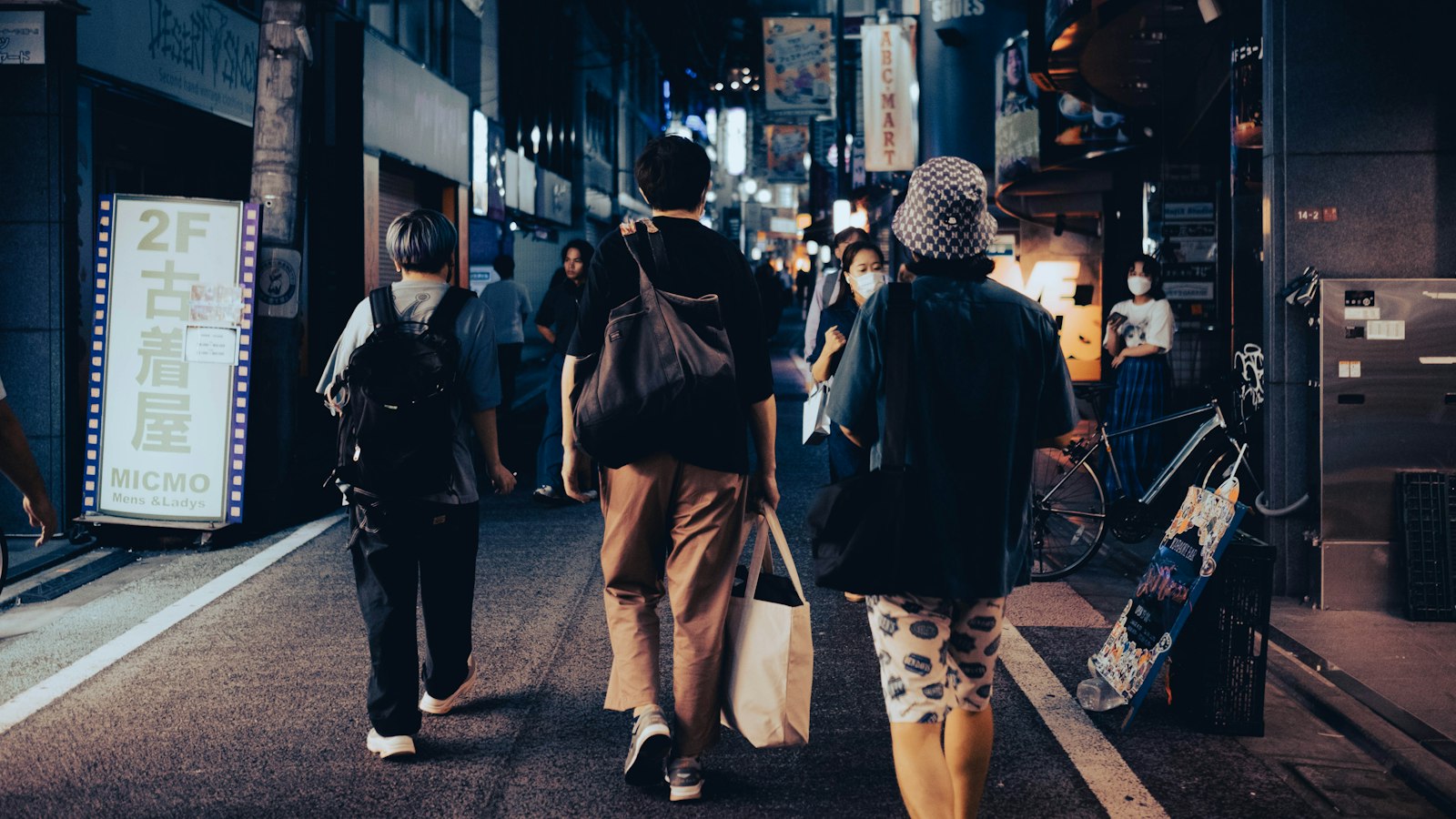
Photo by <a href="https://unsplash.com/@ayumikubo?utm_source=tokyodeepnightlife&utm_medium=referral">ayumi kubo</a> on <a href="https://unsplash.com/?utm_source=tokyodeepnightlife&utm_medium=referral">Unsplash</a>
Tokyo has a huge number of live music venues. Some are basement rooms where the drummer’s cymbals almost touch the front row, and some are supper clubs where you eat dinner while a Grammy winner plays. If you’re searching for Tokyo bars with live music, the problem isn’t finding a stage. The problem is picking the right one, because each type of venue works differently: different rules, different charges, and a different crowd.
This guide covers the main types, eight venues we checked against their official websites in November 2026, and the etiquette and money questions that most “best of” lists skip, like music charges, one-drink minimums and the last train.
Contents
- How Live Music Works in Tokyo: 3 Types of Venues
- What Live Music Costs in Tokyo: Charges Explained
- 8 Tokyo Bars with Live Music Worth Your Night
- Shinjuku Pit Inn (Shinjuku): jazz
- Blue Note Tokyo (Minami-Aoyama): international jazz and beyond
- Billboard Live Tokyo (Tokyo Midtown, Roppongi): supper-club concerts
- Cotton Club (Marunouchi): jazz and soul by Tokyo Station
- Rock Bar BAUHAUS (Roppongi): classic rock cover band
- Sometime (Kichijoji): neighborhood jazz bar
- Nakano Moonstep (Nakano): indie live house
- Shimokitazawa SHELTER (Shimokitazawa): the indie-rock heartland
- Looking for Adult Entertainment Services in Tokyo? Download this
- Live Music Bar Etiquette in Tokyo
- Planning Your Night: Timing and the Last Train
- Which Live Music Bar in Tokyo Is Right for You?
- What do you do in Tokyo After 10?Join our Tokyo Nightlife Private Tour
- Discover Tokyo’s Hidden Music Bars with a Local
- About the Author
How Live Music Works in Tokyo: 3 Types of Venues
Before you choose from the Tokyo bars with live music below, it helps to know which kind of night you want. Most venues fall into one of three groups.
1. Jazz clubs and jazz bars
Japan’s jazz scene is serious. Tokyo has everything from large clubs that book touring international artists to small neighborhood bars with a piano in the corner. Shows usually run as one or two sets in the evening. People come to listen, so the room is quiet during the music. For a closer look at this scene, see our guide to Tokyo jazz bars at night.
2. Live houses (ライブハウス)
A “live house” is Japan’s word for a small concert venue. It’s usually a basement with a standing floor and a bar at the back, hosting several indie, punk, rock or experimental bands a night. You pay at the door, and there is usually a one-drink order (ワンドリンク制) on top of the ticket.
3. Music bars and cover-band bars
These are bars first and venues second. A house band plays classic songs, sometimes from audience requests, while you drink. They’re the easiest choice if you want live music without buying tickets in advance.
What Live Music Costs in Tokyo: Charges Explained
The biggest surprise for first-timers is the bill. Live music bars in Tokyo rarely let you just walk in and order a beer. Expect some mix of these charges:
- Music charge (ミュージックチャージ): the fee for the performance itself. It changes from show to show at larger clubs.
- Seat or table charge (シートチャージ): some supper-club venues add this separately from the music charge.
- One-drink minimum: common at live houses. Your ticket price plus one drink is the real cost of getting in.
- Cover charge or otoshi: at smaller bars, a flat cover may come with a small snack. At smaller bars, this is often how the venue pays the band.
Bring cash. Larger venues take cards, but many small live houses and bars still prefer cash at the door.
8 Tokyo Bars with Live Music Worth Your Night
Every one of these Tokyo bars with live music was checked against its official website in late November 2026. Prices are what each venue listed at that time and can change, so check the schedule before you go.
Shinjuku Pit Inn (Shinjuku): jazz
Shinjuku Pit Inn is one of the best-known names in Japanese jazz. It’s a basement club at B1 Accord Shinjuku, 2-12-4 Shinjuku, and the calendar is full of Japan’s working jazz musicians, from veterans to younger players.
Its official site lists daytime and evening sessions. Evening shows start from ¥3,300 including one drink, and daytime shows cost less. Pit Inn has also posted notices about price changes for its morning and daytime sessions, so check the current information before you go. This is a listening room: talk quietly between songs, not during them.
Blue Note Tokyo (Minami-Aoyama): international jazz and beyond
If you want a big name in an intimate room, Blue Note Tokyo is the classic choice. It’s at 6-3-16 Minami-Aoyama, Minato-ku, about an 8-minute walk from Omotesando Station (Tokyo Metro), according to the official access page.
The schedule mixes jazz greats with soul, funk and fusion acts, and it’s booked well into 2027. Pricing is made up of a music charge plus a seat charge that vary by show and seat. Book online in advance; popular shows sell out.
Billboard Live Tokyo (Tokyo Midtown, Roppongi): supper-club concerts
Billboard Live Tokyo is on the 4th floor of Tokyo Midtown Garden Terrace (9-7-4 Akasaka, Minato-ku). The official site says it’s about a 5-minute walk from Roppongi Station on the Toei Oedo and Hibiya lines, connected through underground passages.
The venue calls itself a live restaurant. You get dinner, drinks and a full concert in one seat. Prices appear only when you choose a seat, so plan for a dinner-show budget rather than bar prices. It’s a great choice for a special night out. For more nearby options, see our Roppongi nightlife guide.
Cotton Club (Marunouchi): jazz and soul by Tokyo Station
Cotton Club is at Tokyo Building TOKIA 2F, 2-7-3 Marunouchi, Chiyoda-ku, a 3-minute walk from the Marunouchi South Exit of Tokyo Station. It’s the easiest high-end jazz club to reach if you’re staying near Tokyo Station or Ginza.
Like Blue Note, it’s a live restaurant with a music charge and seat charge that depend on the show. The program is centred on jazz. It works well for an elegant evening that starts with a show and ends with a nightcap in Ginza.
Rock Bar BAUHAUS (Roppongi): classic rock cover band
BAUHAUS is one of the most famous Tokyo bars with live music for rock fans. The house band plays hard rock, metal and classic rock hits, and audience requests are part of the show. Its official site lists the address as Urban Building B1F, 7-13-2 Roppongi, less than a minute from Roppongi Station Exit 7.
Hours are Tuesday to Saturday, 19:00–01:00 (closed Sunday and Monday). The entrance fee, which is the music cover charge, is ¥4,400 including tax and one drink, and most drinks are ¥1,000. The site also has a page about relocation, so check the official event calendar for opening dates before you go.
Sometime (Kichijoji): neighborhood jazz bar
Kichijoji, on the Chuo Line west of Shinjuku, has long been a jazz neighborhood, and Sometime is one of its best-known spots. It’s a basement at B1F, 1-11-31 Kichijoji Honcho, Musashino-shi.
According to the official site, evening sets start at 19:00 and 20:30, with extra daytime sets on weekends and holidays. It feels more relaxed than the big clubs: a local crowd, a proper bar, and a band close enough to see their hands on the instruments. Charges vary by performer and weren’t listed on the official page, so ask when you arrive.
Nakano Moonstep (Nakano): indie live house
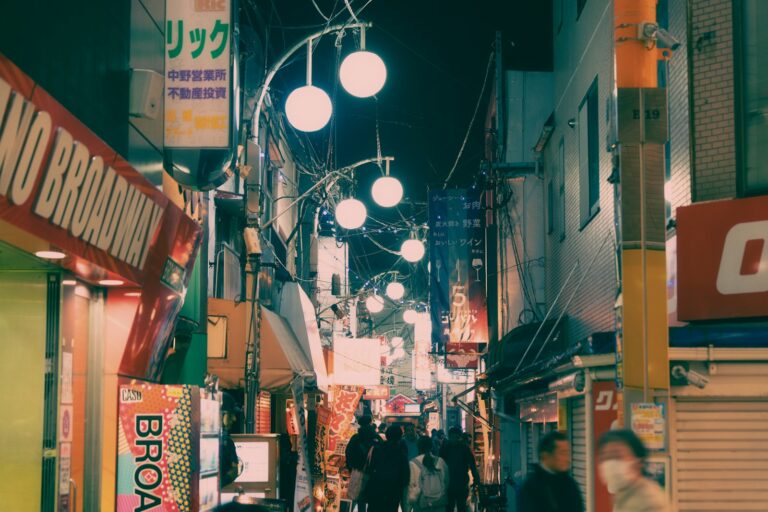
For something underground, Moonstep is a live house at 5-39-16 Chuo, Nakano-ku, a 5-minute walk from Exit 1 of Shin-Nakano Station (Marunouchi Line) or about 10 minutes from Nakano Station. Its calendar is packed with indie, punk, noise and alternative bills, often several bands a night.
The official site lists drinks from ¥500 and soft drinks at ¥300, which is cheap by Tokyo standards. Door prices depend on the event and are set by each organizer. This is where you’ll find the Tokyo bands you won’t hear about at home.
Shimokitazawa SHELTER (Shimokitazawa): the indie-rock heartland
Shimokitazawa is Tokyo’s live house neighborhood. Small venues, record shops and second-hand clothing stores fill a few walkable blocks. SHELTER, run by the LOFT PROJECT group, is one of its rock venues and still books shows regularly.
Check LOFT PROJECT’s official site for the current schedule and ticket prices. Then make a night of it: Shimokitazawa’s bars stay busy after the shows end. Our Shimokitazawa nightlife guide has where to go next.
Looking for Adult Entertainment Services in Tokyo? Download this
I’ve spent over a decade exploring and studying Japan’s adult entertainment scene firsthand. If you’d like detailed insider information—including how to choose the right shop, what services are available, and tips for avoiding common mistakes—check out our exclusive E-book.
Live Music Bar Etiquette in Tokyo
Japanese audiences have their own unwritten rules. Follow these and you’ll fit right in:
- Stay quiet during sets. At jazz venues especially, talking while the band plays is the fastest way to get looks. Save conversation for between songs or sets.
- No photos or video unless allowed. Many venues ban recording completely. Check for signs or ask the staff.
- Order your drink. A one-drink minimum isn’t optional. Pick something up when you pay at the door.
- Don’t tip. Tipping isn’t part of Japanese bar culture, and staff may be confused by it. Applause and buying a CD at the merch table are the real tips.
- Clap at the end of solos. At jazz clubs, people clap after each solo, just like jazz audiences elsewhere.
Planning Your Night: Timing and the Last Train
Most Tokyo bars with live music start their evening shows between 18:00 and 20:00, and many live houses finish before 23:00. That timing matters, because Tokyo’s trains stop around midnight. If you’re heading back from Kichijoji or Nakano, check your last train before the encore. Our guide to Tokyo’s last train times for nightlife explains how to plan around it.
For the bigger Tokyo bars with live music, book online. For live houses, you can often buy at the door, but popular bands sell out, so check the venue’s social media on the day. The Japan National Tourism Organization is also useful for general travel planning, including transport passes and seasonal events.
Which Live Music Bar in Tokyo Is Right for You?
- First night in Tokyo, want something polished: Blue Note Tokyo, Billboard Live or Cotton Club.
- Serious about jazz: Shinjuku Pit Inn, then Sometime in Kichijoji.
- Want to sing along to Led Zeppelin with a drink in hand: BAUHAUS in Roppongi.
- Want to see what young Tokyo bands sound like: Moonstep in Nakano or a Shimokitazawa live house.
What do you do in Tokyo After 10?
Join our Tokyo Nightlife Private Tour
You deserve better than overpriced bars and missed opportunities. We’re here for you.
Discover Tokyo’s Hidden Music Bars with a Local
The venues above are a great start, but the best Tokyo bars with live music are often the ones without an English website: a six-seat bar where the owner plays guitar after midnight, or an unmarked basement session that only regulars know about. Finding those on your own means a lot of Google Maps guesswork and a few awkward doorways.
If you’d rather spend the night enjoying the music than searching for it, a local guide can take you straight to the right places and explain the charges before you sit down. Our Tokyo After 10 nightlife private tour is built for exactly that: small bars, hidden alleys and the kind of Tokyo nights that don’t show up in guidebooks.