Photo by <a href="https://unsplash.com/@ayumikubo?utm_source=tokyodeepnightlife&utm_medium=referral">ayumi kubo</a> on <a href="https://unsplash.com/?utm_source=tokyodeepnightlife&utm_medium=referral">Unsplash</a>
If you’ve been searching for a Tokyo late night happy hour, here’s the truth most listicles skip: in Tokyo, “happy hour” is mostly an early-evening thing. The classic deals run from opening until around 7pm or 8pm, aimed at office workers who clock out and want one cheap drink before dinner. By 10pm, almost every discount has quietly expired.
The good news is that Tokyo doesn’t need happy hour to be affordable after dark. The city is full of places where drinks are cheap all night — flat-price chain izakaya, standing bars, liquor-store counters and convenience stores that never close. This guide explains how the happy hour system actually works here, where the real late-night value is, and the hidden charges that can wipe out your savings if you don’t know about them.
Contents
- How Happy Hour Works in Tokyo (and Why It Ends So Early)
- Tokyo Late Night Happy Hour Alternatives: Where Drinks Are Cheap All Night
- All-You-Can-Drink (Nomihodai): Is It Worth It Late at Night?
- Hidden Costs That Kill a Cheap Night Out
- A Sample Budget Night: Happy Hour to Last Train
- Tips for Finding a Tokyo Late Night Happy Hour on Your Own
- Frequently Asked Questions
- What do you do in Tokyo After 10?Join our Tokyo Nightlife Private Tour
- Skip the Guesswork: Drink Like a Local With a Guide
- About the Author
How Happy Hour Works in Tokyo (and Why It Ends So Early)
In many Western cities, a “late-night happy hour” or “reverse happy hour” kicks in after 9pm to fill seats. Tokyo works differently. Bars here are busiest late, not early, so there’s little reason to discount drinks at 11pm when the counter is already full.
What you’ll usually find instead:
- Opening-to-7pm deals — The most common format. Bars open between 4pm and 6pm and discount drinks for the first one to three hours.
- Hotel lounge happy hours — Upscale hotel bars sometimes run early-evening specials that make a ¥2,000 cocktail more reasonable. Great for a sunset drink, useless at midnight.
- Foreigner-oriented pubs and sports bars — Some bars in Roppongi, Shibuya and Ebisu that cater to international crowds run longer promotions, but they change often. Always check a bar’s own social media before you go, because blog listings go stale fast.
A good example of the standard format is HUB, the British-style pub chain with branches across Tokyo. HUB runs a daily happy hour from opening until 7pm, with discounted cocktails and set deals. Exact discounts and prices differ by branch, so check the menu at the location you visit.
Local tip: If you want to use happy hour at all, flip your night around. Start drinking at 5pm, eat dinner at 7pm, and save the late hours for places that are cheap at full price.
Tokyo Late Night Happy Hour Alternatives: Where Drinks Are Cheap All Night
Since a true Tokyo late night happy hour is rare, the smart move is to go where the regular price is already low. These are the categories locals rely on.
Flat-Price Chain Izakaya
Tokyo’s flat-price (kin’itsu) izakaya chains are the closest thing to a Tokyo late night happy hour that runs all night. Every item on the menu — beer, highballs, skewers, salads — costs the same.
The best-known is Torikizoku, a yakitori chain with branches near most major stations. Its uniform price rose from ¥390 to ¥410 per item (tax included) on October 1, 2026, according to a Kyodo News report — still one of the cheapest sit-down options in the city, with drinks and food at the same price. Many branches stay open past midnight; check the Torikizoku official site for your nearest branch’s hours.
In the Ginza and Yurakucho area, the 300BAR standing bars sell food and drinks at a flat ¥300 before tax. Listings show some branches staying open until 2am on Friday and Saturday nights, but hours differ between locations, so double-check before heading over.
Tachinomi: Standing Bars
Standing bars (tachinomi) trade comfort for price. No chairs means fast turnover, so drinks are cheaper and there’s rarely a seat charge. Expect beer and highballs well below what a sit-down bar charges, plus small plates of skewers, pickles or sashimi.
They’re also one of the easiest places to talk to locals, since everyone is shoulder to shoulder at the counter. If you’ve never been, our tachinomi guide for foreigners walks you through ordering and paying.
Senbero Bars: Get Tipsy for ¥1,000
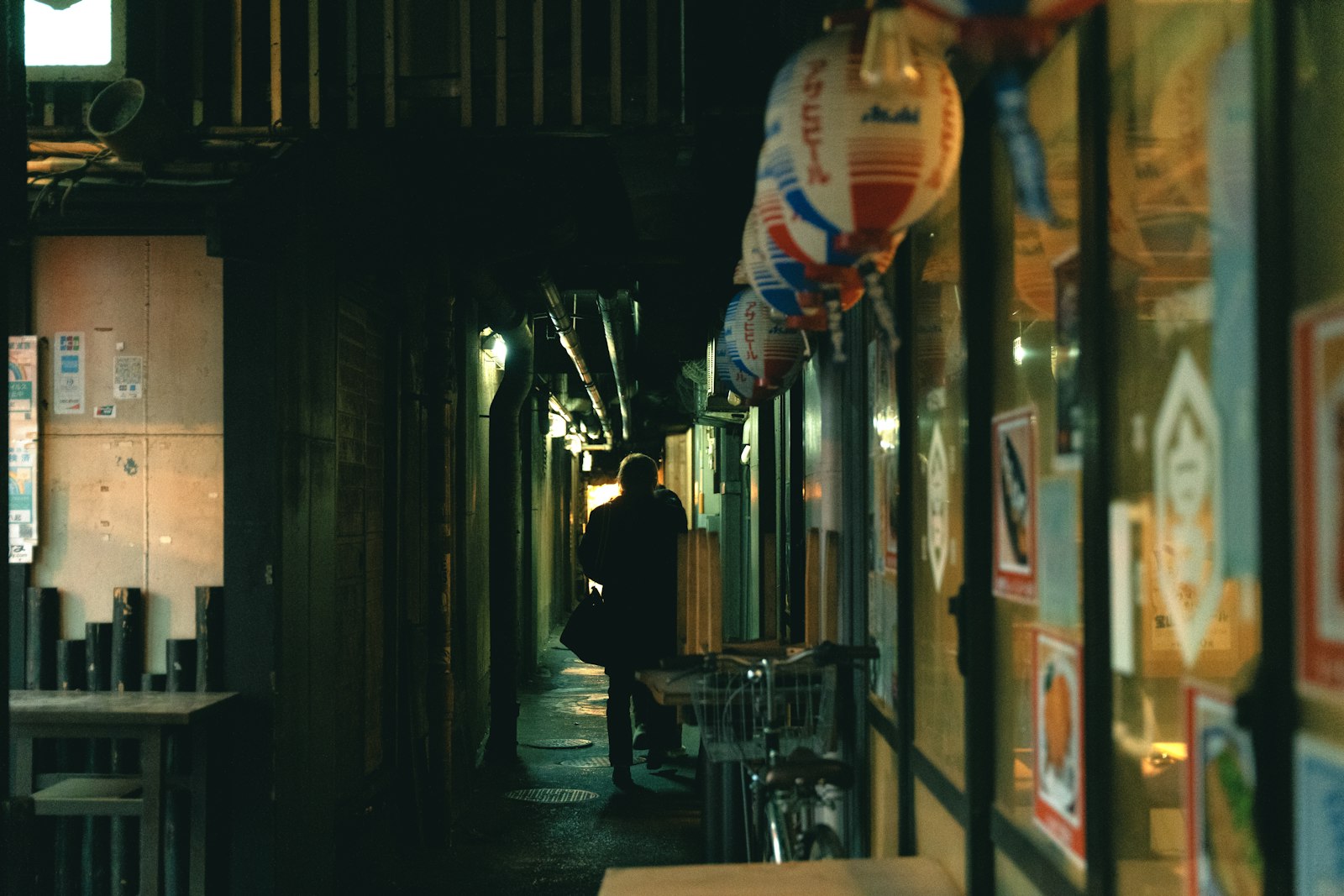
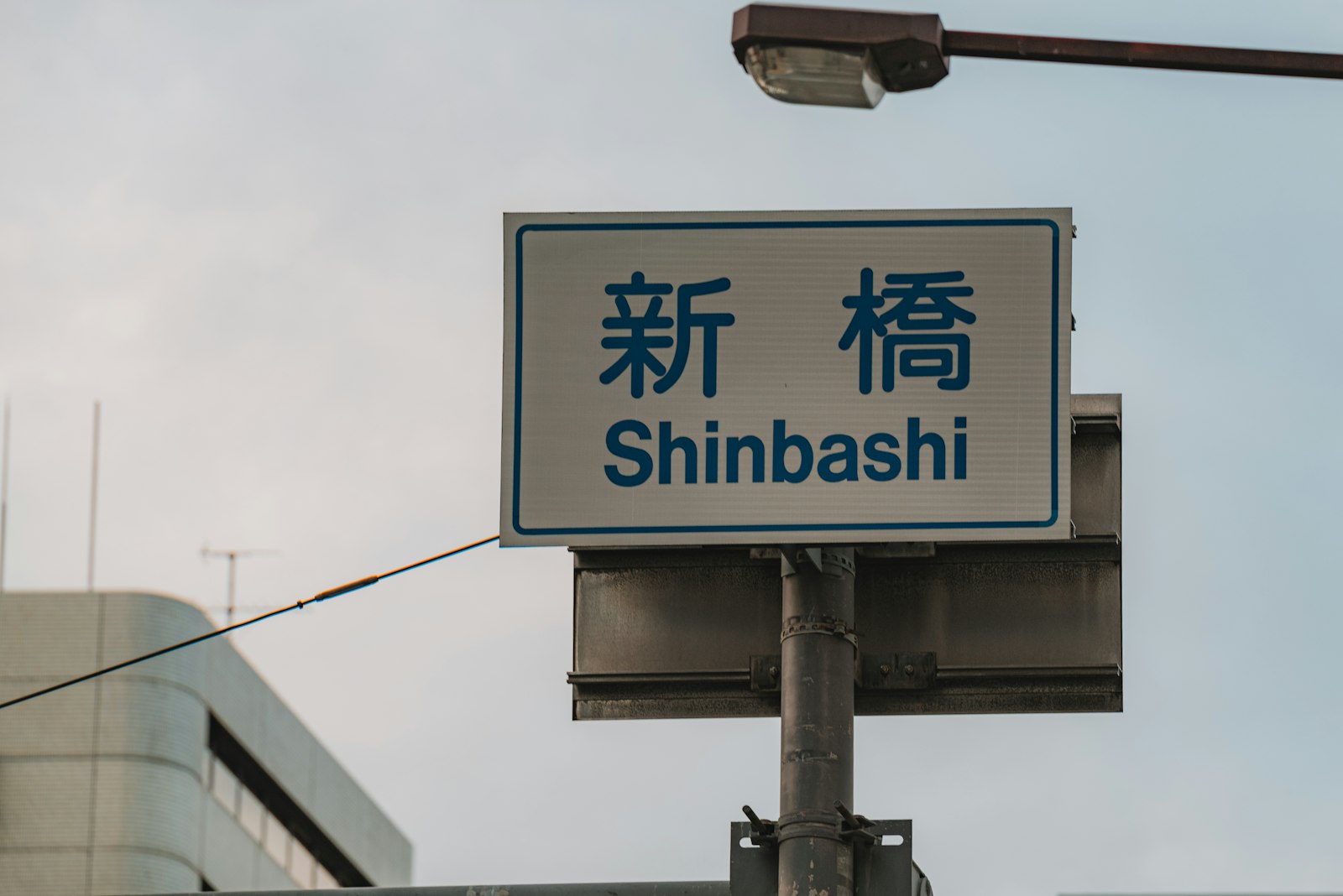
Senbero is Japanese slang that combines sen (one thousand yen) and berobero (drunk). A senbero spot is anywhere you can get two or three drinks plus a snack for roughly ¥1,000. Old-school neighborhoods like Akabane, Kamata, Ueno and the area under the train tracks in Shinbashi and Yurakucho are full of them.
Many senbero places open in the afternoon and close earlier than nightlife bars, so they suit an early start. Think of them as the local answer to happy hour — no time limit, just honest prices.
Kakuuchi: Drinking Inside a Liquor Store
A kakuuchi is a liquor shop with a small counter where you can drink what you buy at near-retail prices. It’s one of the cheapest ways to try good sake or craft beer in Tokyo, though many close around 9pm or 10pm. Go before your late night starts, not after.
Konbini: The Ultimate Late-Night Fallback
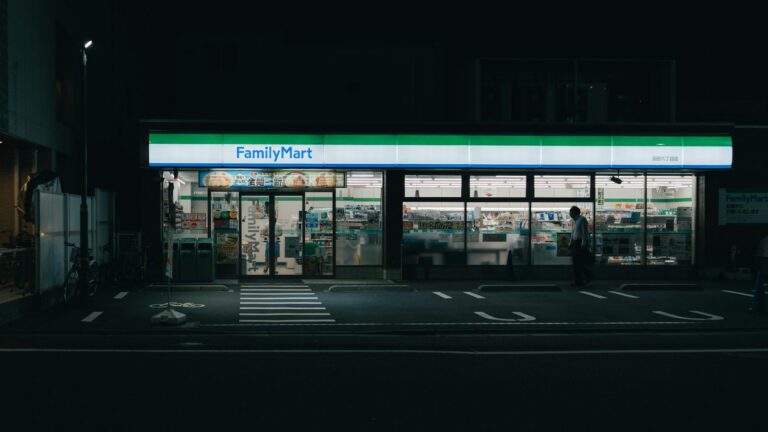
Convenience stores are open 24 hours and sell beer, highballs, chu-hi and sake at supermarket prices. Grabbing a can on your walk between bars is completely normal. Just be aware that some areas restrict street drinking — Shibuya has a ward ordinance against drinking outdoors around the station area at night — so check local rules first.
All-You-Can-Drink (Nomihodai): Is It Worth It Late at Night?
Nomihodai means all-you-can-drink, usually for a set time such as 90 or 120 minutes. Many chain izakaya and karaoke boxes offer it, and it can be excellent value if you plan to have three or more drinks.
A few things to know before you commit:
- The clock is strict. Last orders usually come 15 to 30 minutes before the plan ends.
- The drink list is limited. Premium beer, whisky and sake are often excluded or cost extra.
- Food may be required. Some restaurants only offer nomihodai with a course meal or a minimum food order.
- Groups sometimes must all join. Many places require everyone at the table to take the same plan.
For late nights, karaoke box nomihodai is a strong option: you get a private room, drinks and somewhere warm to sit until the first train. Our explainer on what nomihodai is and how it works covers the rules in more detail.
Hidden Costs That Kill a Cheap Night Out
A ¥400 drink isn’t always a ¥400 drink. These are the charges that catch first-timers out.
Otoshi and Seat Charges
Most sit-down izakaya serve a small appetizer called otoshi when you sit down and charge for it automatically — commonly a few hundred yen per person. Bars, especially in Golden Gai, may add a cover charge instead. It’s normal, not a scam, but it means hopping between five bars in one night can cost more in seat fees than in drinks. Read our guide to the otoshi charge at Japanese bars so it doesn’t surprise you.
Local tip: Standing bars and flat-price chains like Torikizoku are good choices for bar hopping because they usually skip the cover charge.
Tax-Excluded Menus
Some menus show prices before Japan’s 10% consumption tax. Look for 税込 (tax included) or 税別 / 税抜 (tax excluded) next to the price.
Touts Offering “Cheap Drinks”
In Kabukicho, Roppongi and Ikebukuro, street touts promise “cheap drinks” or “all-you-can-drink ¥3,000.” These are the classic setup for a bill padded with table charges and inflated fees. Legitimate cheap bars don’t need someone on the street pulling you in. The rule is simple: never follow a tout.
The Last Train
The biggest hidden cost of a late night in Tokyo is the taxi home. Trains stop around midnight, and taxis add a 20% late-night surcharge after 10pm. A ¥3,000 night of cheap drinks can turn into a ¥7,000 night if you have to ride across the city. Check your last train before you order that final round — our Tokyo last train survival guide shows how.
Looking for Adult Entertainment Services in Tokyo? Download this
I’ve spent over a decade exploring and studying Japan’s adult entertainment scene firsthand. If you’d like detailed insider information—including how to choose the right shop, what services are available, and tips for avoiding common mistakes—check out our exclusive E-book.
A Sample Budget Night: Happy Hour to Last Train
Here’s how to stretch a modest budget across a full night out, using real happy hour timing and late-night cheap spots.
| Time | Where | What to do |
|---|---|---|
| 5pm–7pm | A pub or bar with an opening happy hour | Use the discount for your first two drinks |
| 7pm–9pm | Senbero bar or kakuuchi | Snacks and cheap rounds before they close |
| 9pm–11pm | Flat-price izakaya or standing bar | Dinner-sized plates at chain prices, no cover charge |
| 11pm–midnight | Konbini, then home | One last can on the way to the station |
The pattern is simple: use discounts early, then switch to places that are cheap at full price. That’s how locals keep a big night affordable.
Tips for Finding a Tokyo Late Night Happy Hour on Your Own
If you still want to hunt down a genuine late-night deal, these habits help:
- Search in Japanese. Try 「ハッピーアワー 深夜」 (happy hour, late night) or 「せんべろ」 (senbero) plus the neighborhood name on Google Maps.
- Check Instagram, not blogs. Bars update their promotions on social media. A blog post from 2019 listing a ¥500 happy hour is probably out of date.
- Look at chalkboards and posters. Specials such as ハイボール100円 (¥100 highball) are often written on a board outside the door.
- Avoid weekends for deals. Discounts are more common Monday to Thursday, when bars need customers.
- Ask the bartender. “Osusume wa?” (What do you recommend?) often gets you the best-value drink on the menu.
For more on safety and costs when traveling, the Japan National Tourism Organization is a reliable official resource.
Frequently Asked Questions
Are there happy hours in Tokyo after 10pm?
Very few. A Tokyo late night happy hour is the exception: most deals end around 7pm or 8pm. For cheap drinks after 10pm, go to flat-price izakaya chains, standing bars or convenience stores, which are cheap at regular prices.
What is the cheapest way to drink in Tokyo at night?
Convenience-store drinks are cheapest, followed by standing bars, senbero spots and flat-price chains like Torikizoku. Sit-down bars with cover charges are usually the most expensive.
Is “cheap drinks” from a street tout a good deal?
No. Touts offering cheap or all-you-can-drink deals in nightlife districts are the most common route to an overcharged bill. Choose bars yourself.
Do Tokyo bars charge a cover?
Many do. Izakaya usually charge an otoshi (appetizer) fee and small bars often charge a seat fee. Standing bars and flat-price chains generally don’t.
What do you do in Tokyo After 10?
Join our Tokyo Nightlife Private Tour
You deserve better than overpriced bars and missed opportunities. We’re here for you.
Skip the Guesswork: Drink Like a Local With a Guide
Finding a Tokyo late night happy hour on your own takes Japanese menus, local knowledge and a bit of luck. The cheapest, most fun bars in this city are often unmarked counters on the second floor of a building you’d walk straight past.
If you’d rather spend your night drinking than searching, a local guide can take you to the standing bars, yokocho alleys and izakaya where Tokyo people actually go — with no tout traps and no surprise charges. Our Tokyo After 10 nightlife private tour is built for exactly that: a night of real local spots, at local prices, with someone who knows the city after dark.