Photo by <a href="https://unsplash.com/@niki_likomanov?utm_source=tokyodeepnightlife&utm_medium=referral">Nikolay Likomanov</a> on <a href="https://unsplash.com/?utm_source=tokyodeepnightlife&utm_medium=referral">Unsplash</a>
If you’re searching for Tokyo hip hop clubs, you’ve probably noticed that many of the lists contradict each other. One sends you to a Shibuya megaclub that was demolished years ago. Another calls a house-music DJ bar the home of underground rap. A third lists a Nishi-Azabu R&B club that has been shut for years.
So we did the boring part first. Every venue below was checked against the club’s own website, a recent event listing or a reputable guide. Where we couldn’t confirm a door price or opening hours, we say so instead of guessing.
The short answer: Tokyo’s hip-hop nightlife is concentrated around Shibuya’s Maruyamacho, with one big room in Kabukicho, one live venue in Ebisu and one bottle-service club for groups who want a table.
Contents
- Tokyo Hip Hop Clubs at a Glance
- How the Hip Hop Scene in Tokyo Works
- The Best Hip Hop Clubs in Shibuya
- Hip Hop Nights Outside Shibuya
- Hip Hop Clubs in Tokyo That Old Lists Still Recommend
- Tips for Your First Night at Tokyo Hip Hop Clubs
- Shibuya or Shinjuku for Hip Hop?
- FAQ: Tokyo Hip Hop Clubs
- What do you do in Tokyo After 10?Join our Tokyo Nightlife Private Tour
- Let a Local Plan the Night Around the Club
- About the Author
Tokyo Hip Hop Clubs at a Glance
Here’s how the six venues compare before we get into the details.
| Club | Area | Best for | Door price |
|---|---|---|---|
| Harlem | Shibuya (Maruyamacho) | The real hip-hop crowd | Not published; check the night |
| ATOM Tokyo | Shibuya (Maruyamacho) | A cheap, mixed, easy night | ¥900–¥4,900 (published) |
| Camelot | Shibuya (Jinnan) | Mixed floors with a hip-hop room | Varies by event |
| ZEROTOKYO | Shinjuku (Kabukicho) | Big-production hip-hop events | Around ¥3,000–¥4,000 on recent hip-hop nights |
| Batica | Ebisu | Live Japanese rap | Varies by event |
| 1 OAK Tokyo | Azabu-Juban / Roppongi area | Tables and bottle service | Varies; table minimums |
How the Hip Hop Scene in Tokyo Works
Before you pick a club, it helps to understand two things about how Japanese hip-hop nights run.
The party matters more than the venue. Most good nights are long-running weekly residencies with their own DJs and regulars. A club can feel packed and electric on Saturday and half-empty on Tuesday, so look up the specific event, not just the building.
Local DJs are the draw. Expect US rap and R&B mixed with Japanese tracks the whole room knows by heart. The resident DJs are often bigger names locally than the visiting guests.
Hip-hop nights in Tokyo also run late. Doors usually open around 22:00, rooms fill after midnight, and most clubs go until about 04:30. That timing shapes everything about your night, from when you eat to how you get home.
The Best Hip Hop Clubs in Shibuya
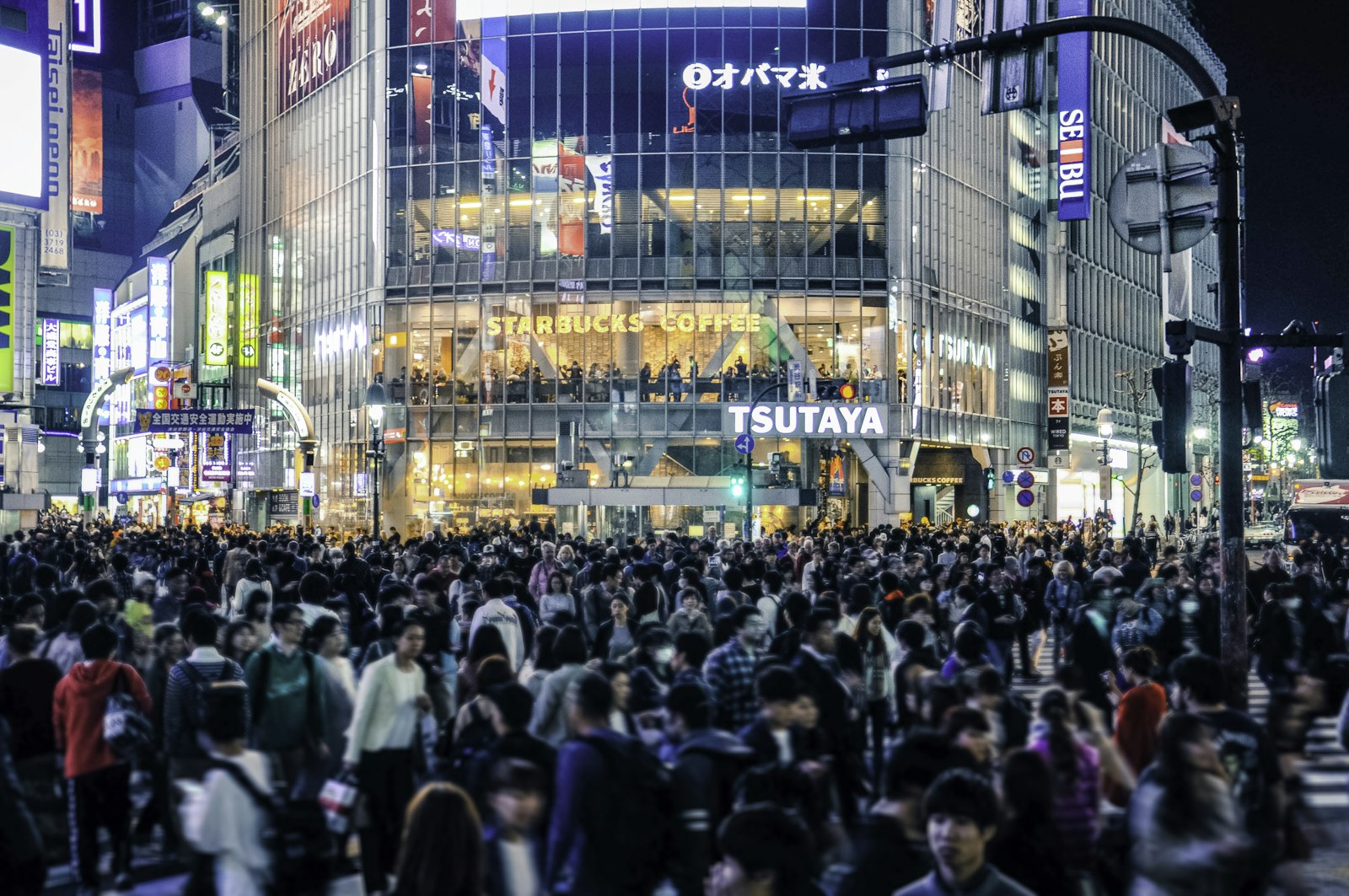
Shibuya has more Tokyo hip hop clubs than anywhere else. Harlem and ATOM share a building, and Camelot is a short walk away, so you can compare rooms in one night.
1. Harlem — The One Every Local Will Tell You About
Harlem opened in 1997 and is still the venue most closely tied to Japanese hip-hop. It’s on the 2nd and 3rd floors of the Dr. Jeekahn’s building at 2-4 Maruyamacho, Shibuya-ku, about five minutes on foot from Shibuya Station.
The main floor runs an L-Acoustics sound system built for heavy bass. The venue can hold up to around 1,000 people across its floors. A mezzanine VIP area looks down onto the dancefloor, and the staircase walls carry rotating graffiti by resident artists. Upstairs, the BX CAFE lounge plays other styles depending on the night, such as dancehall, reggae and 90s hip-hop.
As of late 2025, the weekly schedule included these regular parties:
- Tuesday: PLANET TUESDAY
- Thursday: ECLECTIQUE
- Friday: BORN FREE
- Saturday: MONSTER, with resident DJ HAZIME
Saturday’s MONSTER is the busiest, so expect a line. According to Deep Tokyo’s Harlem profile, staff speak Japanese and English, and the club takes cash, major credit cards, e-money and QR payments, though not every counter accepts transit IC cards.
Harlem doesn’t publish door prices on its homepage. Check the event page for the night you want on the official Harlem website before you go.
2. ATOM Tokyo — The Cheapest Way In
ATOM is in the same Dr. Jeekahn’s building, on the 4th to 6th floors. It’s a different night from Harlem: more mainstream, more chart music, and a younger crowd. Hip-hop and R&B are part of the mix rather than the whole point, so ask at the door which floor is playing rap.
The big advantage is clear pricing. According to the ATOM Shibuya website, entry includes one drink (special events excepted):
- Sunday to Thursday: Men pay ¥900 from 22:00 to 23:30, then ¥2,900 until 04:30. Women pay ¥400, then ¥900.
- Friday, Saturday and nights before holidays: Men pay ¥1,900 from 22:00 to 23:00, then ¥4,900 until 04:30. Women pay ¥900.
The house rules are strict and worth reading before you queue:
- Entry is 20+ with government-issued photo ID, such as a passport.
- Jersey or sweatpants, beach sandals and men’s bare tank tops can get you refused.
- Visible tattoos are not allowed.
- There is a women-only floor and seating area that men can’t enter.
3. Camelot — Multi-Floor With a Hip-Hop Room
Camelot sits in the Jinnan side of Shibuya and has been open since 2005. It spreads over several floors with different music on each. Listings describe EDM and open-format sounds on the main floor and a smaller room for hip-hop, R&B and reggae.
It’s a good choice for a group with mixed tastes: one person can stay in the hip-hop room while others try the main floor. We couldn’t confirm current hours or door prices from the club itself, so check the event listing for your night.
Hip Hop Nights Outside Shibuya
4. ZEROTOKYO (Shinjuku) — Big-Production Hip-Hop Events
ZEROTOKYO fills basement floors B1 to B4 of Tokyu Kabukicho Tower at 1-29-1 Kabukicho, a minute from Seibu-Shinjuku Station. It isn’t a dedicated hip-hop club. Programming rotates between techno, house, EDM and hip-hop, so the night you choose makes all the difference.
When it does hip-hop, it goes big. The venue’s 2023 opening party featured Japanese rappers including Leon Fanourakis and Only U. In 2026, hip-hop events included a COUP D’ÉTAT night in the B3 room (¥3,000 at the door) and Urban Jam in September, headlined by former BAD HOP member Tiji Jojo (¥4,000 at the door).
The ID check is strict. Bring an original, valid photo ID such as a passport, driving licence or residence card. Copies, phone photos and expired documents are refused, and entry is 20+.
ZEROTOKYO is in the heart of Kabukicho, so don’t follow street touts who offer “better” clubs or cheap drinks on the way. Our guide on how to avoid scams in Kabukicho explains how those detours go wrong.
5. Batica (Ebisu) — Where You Hear Japanese Rap Live
Batica is a two-storey club and live venue on Komazawa-dori near Ebisu Station. The ground floor is a white lounge, and the upstairs room has the stage and dancefloor. Time Out describes its music as running from domestic hip-hop to obscure electronica.
What makes Batica different is live performance. It celebrated its 15th anniversary in 2026 with a five-day event featuring artists such as OMSB, Ryugo Ishida and Only U. If you want to see Japanese rappers on stage rather than just hear their records, this is the room. Check the venue’s channels for the current schedule.
6. 1 OAK Tokyo — Tables and Bottle Service
The Tokyo branch of the New York brand is the dressiest choice on this list. Its sound is mostly hip-hop and R&B, and it has hosted US artists such as A$AP Rocky and Tyga. Recent guides place it in Azabu-Juban, while older listings still say Roppongi, so confirm the address before you set off.
This is a table-and-bottle club, and the door is stricter about sportswear and shorts. If your group wants a VIP table, it fits. If you just want to dance to rap, Harlem will give you a better night for far less money.
Looking for Adult Entertainment Services in Tokyo? Download this
I’ve spent over a decade exploring and studying Japan’s adult entertainment scene firsthand. If you’d like detailed insider information—including how to choose the right shop, what services are available, and tips for avoiding common mistakes—check out our exclusive E-book.
Hip Hop Clubs in Tokyo That Old Lists Still Recommend
These names come up again and again in competing guides. Skip them:
- Sound Museum Vision (Shibuya): Once a big multi-floor club with a hip-hop room. It closed in September 2022 because of the redevelopment around Shibuya Station.
- A-Life (Nishi-Azabu): A well-known hip-hop and R&B club in its day. Time Out now lists it as closed.
- Oath (Shibuya): Still open and well worth a visit, but it’s a DJ bar whose bookings lean heavily to house and techno. Hip-hop nights there are event-by-event, so don’t count on rap.
If a guide still points you to Vision or A-Life, treat the rest of its recommendations with caution.
Tips for Your First Night at Tokyo Hip Hop Clubs
Bring your actual passport. The minimum age is 20, and the clubs above check original photo ID. Our guide to club entry age and ID rules for foreigners explains what’s accepted where.
Dress clean, not sporty. Streetwear is normal at hip-hop nights, and clean sneakers are usually fine in Shibuya. The items door staff refuse most often are sweatpants, beach sandals and bare tank tops. At 1 OAK, dress up.
Cover your tattoos if you have any. ATOM refuses visible tattoos, and other venues can too. A long-sleeved shirt avoids the problem.
Go early to save money. ATOM’s weekend door is ¥1,900 for men before 23:00 and ¥4,900 after. The room fills after midnight anyway.
Plan around the last train. Trains stop around midnight and restart around 5am, while clubs run until about 04:30. You either leave early, take a taxi or stay until the first train. See what time clubs close in Tokyo for the details.
Respect the dancefloor. A short clip is usually fine, but filming people’s faces for minutes is not.
Shibuya or Shinjuku for Hip Hop?
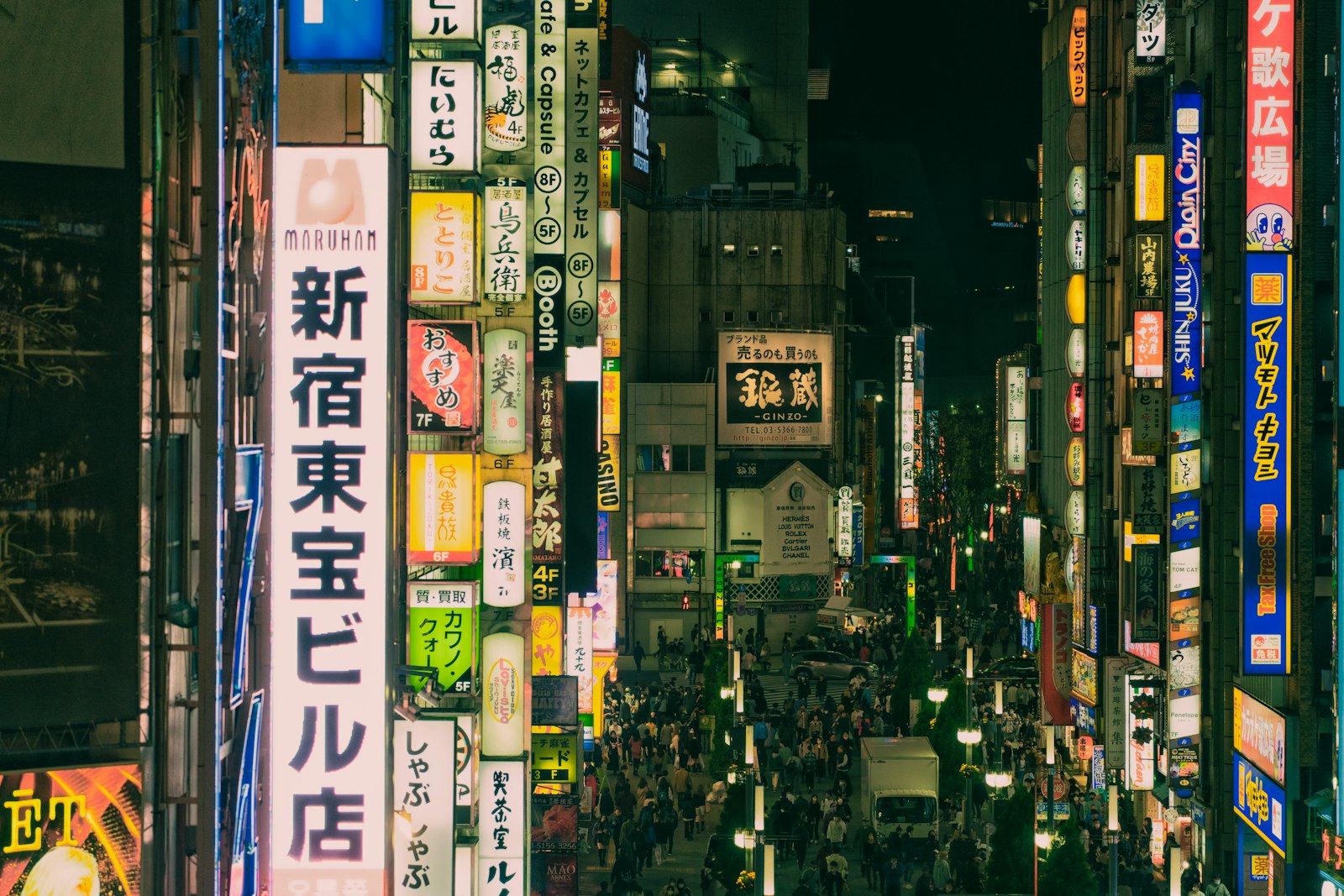
Pick Shibuya if hip-hop is the whole reason you’re going out. Harlem, ATOM and Camelot are close together, the crowds are there for the music, and if one room is flat you can walk to the next in minutes.
Pick Shinjuku if you want scale: four basement floors, a huge production and a specific hip-hop event worth buying a ticket for. Just check the lineup first, because ZEROTOKYO could be techno on the night you arrive.
For techno, house and every other genre, see our full list of the best clubs in Tokyo.
FAQ: Tokyo Hip Hop Clubs
What is the most famous hip-hop club in Tokyo? Harlem in Shibuya. It opened in 1997, and its Saturday party MONSTER with DJ HAZIME is the best-known hip-hop night in the city.
How much does it cost to get into a hip-hop club in Tokyo? It depends on the club and the night. ATOM publishes ¥900 to ¥4,900 for men and ¥400 to ¥900 for women, with one drink included. Recent hip-hop events at ZEROTOKYO cost ¥3,000 to ¥4,000 at the door. 1 OAK works on table minimums.
Are Tokyo hip hop clubs foreigner-friendly? Yes, generally. Harlem has English-speaking staff and takes international cards. Most problems at the door come from missing ID or dress code, not from being a foreigner.
Can I get in if I’m 18 or 19? Not to the regular late-night events at these clubs. The clubs that publish their rules admit guests aged 20 and over.
Which night is best? Friday and Saturday are the busiest. Weeknights are cheaper, but the big Shinjuku rooms only come alive for specific events.
What do you do in Tokyo After 10?
Join our Tokyo Nightlife Private Tour
You deserve better than overpriced bars and missed opportunities. We’re here for you.
Let a Local Plan the Night Around the Club
A list tells you where the clubs are. It can’t tell you which residency is on form this month, which floor is playing rap tonight, or how to fit dinner, a few bars and a club into one night before the trains stop.
If you’d rather spend your time out than researching, our Tokyo After 10 nightlife private tour pairs you with a local guide who knows the city after dark. Start in the izakaya and bars, and finish wherever the night is happening. Either way, go to Harlem at least once. It’s still one of the best rooms in Tokyo.