Photo by <a href="https://unsplash.com/@tompodmore86?utm_source=tokyodeepnightlife&utm_medium=referral">Tom Podmore</a> on <a href="https://unsplash.com/?utm_source=tokyodeepnightlife&utm_medium=referral">Unsplash</a>
A Tokyo layover at night can be the best accidental mini-trip you ever take. The city is lit up, the izakaya are full, and the streets feel safe even late in the evening. But it can also go badly wrong: trains stop around midnight, Narita has a night curfew, and the walk from the gate to the city is longer than most people think.
This guide is the honest version. We’ll cover how many hours you actually need, why your airport matters more than anything else, which neighborhoods work best for a short night visit, and when the smart move is to stay at the airport. By the end, you’ll know whether your Tokyo layover at night is a “go” or a “stay put.”
Contents
- First Question: Can You Leave the Airport?
- Haneda vs Narita: Your Airport Changes Everything
- How Many Hours Do You Really Need?
- The Midnight Problem: Trains Stop Running
- Best Places to Go on a Tokyo Layover at Night
- Sample Itineraries for a Tokyo Layover at Night
- When Staying at the Airport Is the Smarter Move
- Practical Tips for a Tokyo Layover at Night
- What do you do in Tokyo After 10?Join our Tokyo Nightlife Private Tour
- Make the Most of a Short Night with a Local
- About the Author
First Question: Can You Leave the Airport?
Before you plan anything, check your entry status. Leaving the airport means going through immigration and customs, so you have to be eligible to enter Japan. Narita’s own guidance makes the same point: passengers who stay in the departure area don’t need immigration procedures, but anyone who wants to go outside does.
Many passport holders (including the US, UK, EU countries, Canada and Australia) can enter Japan visa-free as short-term visitors. If your nationality isn’t on Japan’s visa-exemption list, you may need a visa even for a few hours outside. Always confirm with the Ministry of Foreign Affairs of Japan’s visa exemption list or your nearest Japanese embassy before you fly — don’t rely on forum posts.
Two other things to sort out before you land:
- Checked luggage: If your bags are checked through to your final destination, you can leave with just your carry-on. If not, you’ll collect them, clear customs, and need somewhere to store them.
- Your onward ticket and terminal: Know exactly which terminal your next flight leaves from, and its check-in cut-off.
Haneda vs Narita: Your Airport Changes Everything
This is the single biggest factor in whether a Tokyo layover at night works. The two airports are completely different animals.
Haneda: Close to the City, Open Around the Clock
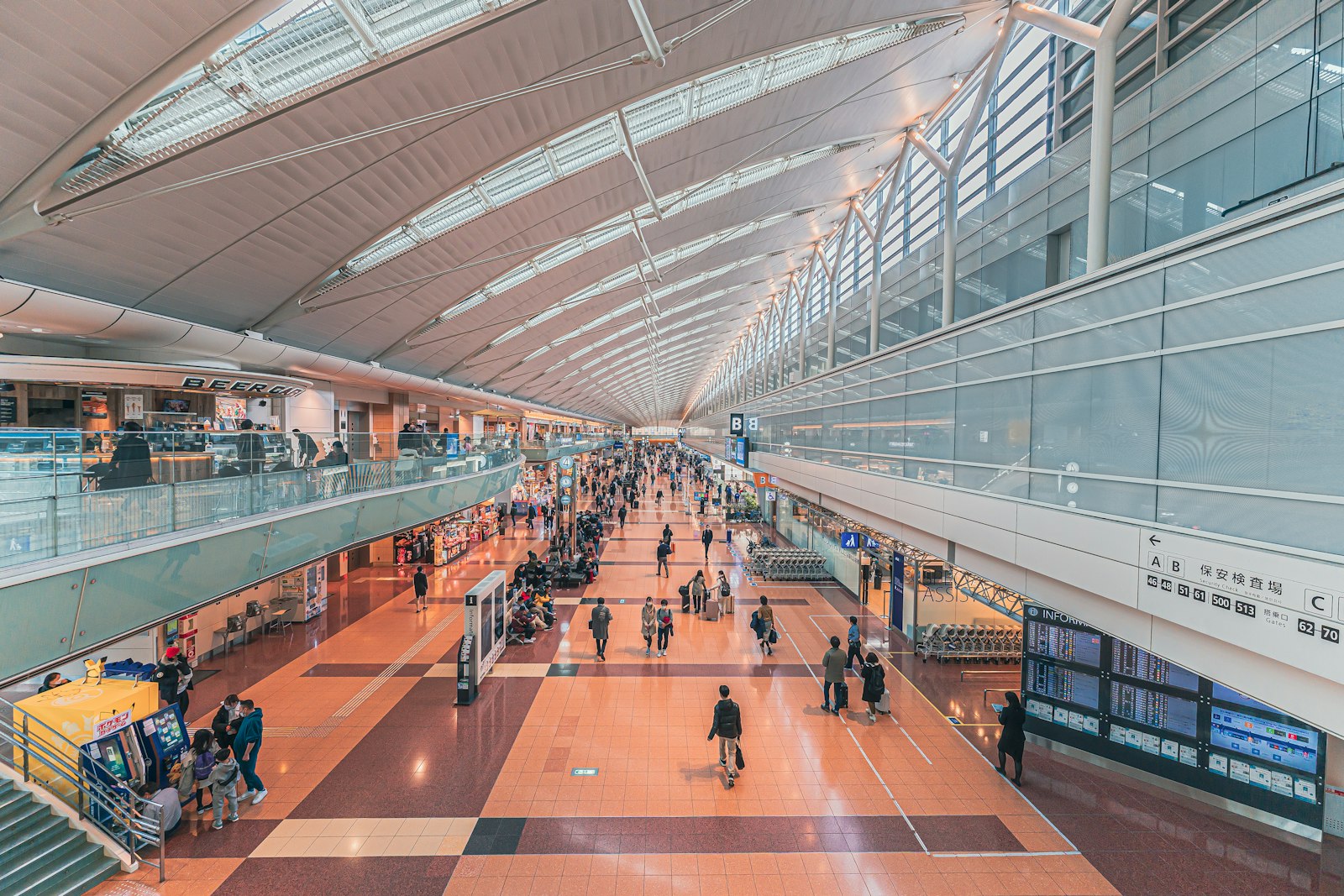
Haneda sits on Tokyo Bay, right next to the city. From Terminal 3 (the international terminal), the fastest Keikyu Line trains reach Shinagawa in about 11 minutes, and the Tokyo Monorail’s express service reaches Hamamatsucho in about 13 minutes. Many trains are slower local services, so budget 20–30 minutes to be safe.
Haneda also runs international flights around the clock, which means late arrivals and early-morning departures are normal here. If you’re planning a Tokyo layover at night, Haneda is the airport that makes it realistic.
Narita: Far Away, and It Shuts Down at Night
Narita is in Chiba Prefecture, roughly 60 km from central Tokyo. The Keisei Skyliner is the fastest train link, taking roughly 36–41 minutes to Nippori or Ueno depending on the service. That’s the fast option — anything else is slower.
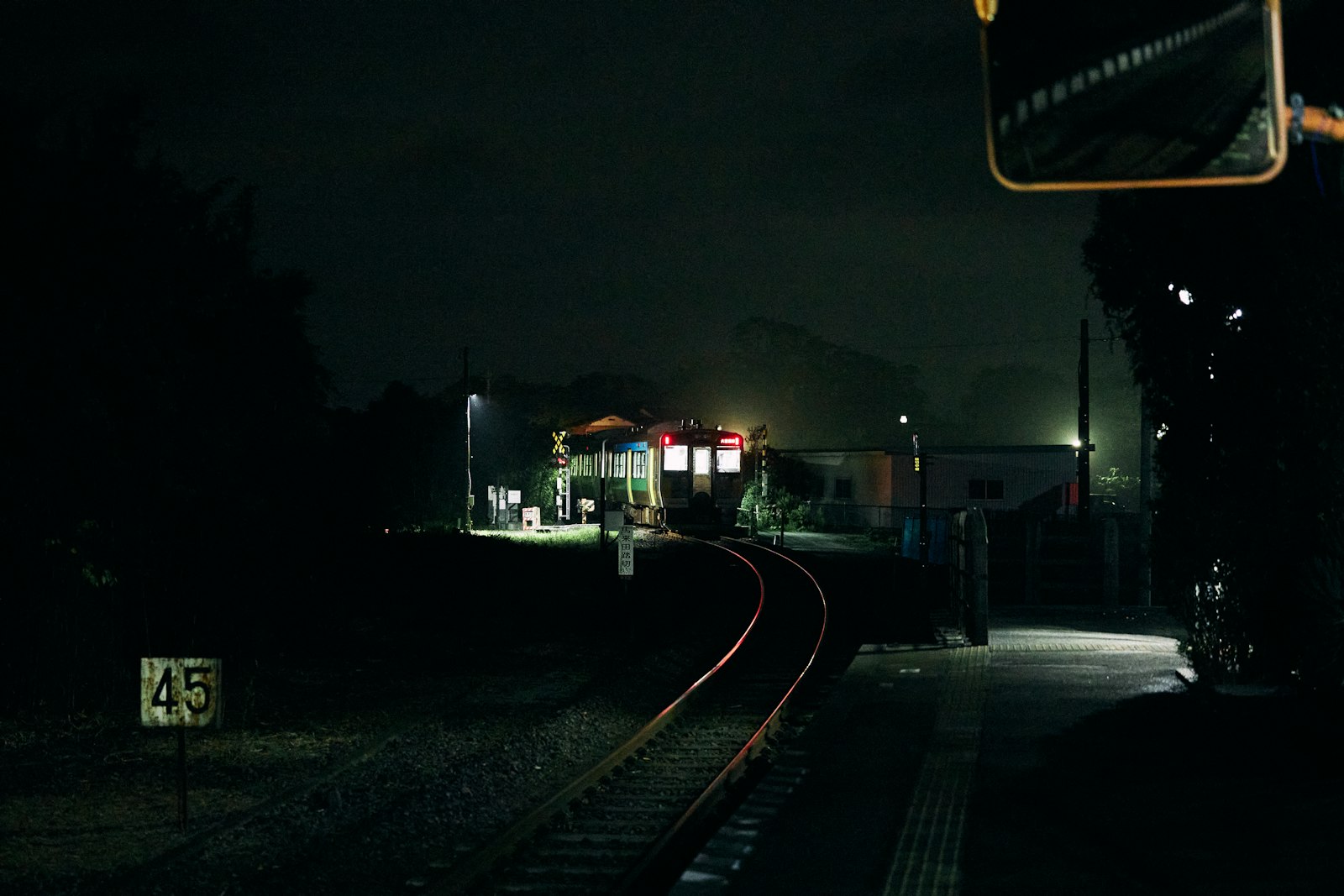
The bigger catch is the clock. Narita has a night-time curfew on flights, generally from midnight to 6:00 am, with exceptions only for things like bad weather. Airside areas go quiet overnight. And the last Skyliner from the city back to the airport leaves in the evening — far earlier than most people assume — so check Keisei’s official timetable before you head out. Miss it, and you’re looking at a slow local train or a very expensive taxi.
Bottom line: A Narita layover at night needs a lot more time and a lot more planning than a Haneda one.
How Many Hours Do You Really Need?
Here’s the math most layover guides skip. Before you get a single minute in Tokyo, you lose time to:
- Deplaning, immigration and customs: 45–90 minutes, longer if several long-haul flights land together
- Getting into the city: 30–45 minutes from Haneda, 60–90 minutes from Narita
- Getting back: the same again
- Return buffer: be back at the airport at least 2 hours before an international departure (2–3 hours is safer during evening peaks)
Put that together and here’s a realistic guide:
| Layover length | From Haneda | From Narita |
|---|---|---|
| Under 6 hours | Stay at the airport | Stay at the airport |
| 6–8 hours | 1.5–3 hours in one area near the line (Shinagawa, Ginza, Hamamatsucho) | Stay at the airport or explore Narita town |
| 8–10 hours | 3–4 hours — one neighborhood, done properly | 1.5–3 hours, Ueno/Asakusa side only |
| 10+ hours / overnight | A full night out, or dinner plus sleep | Possible, but consider a hotel in the city |
The golden rule: pick one area and go deep, rather than trying to see three neighborhoods badly. A layover is a tasting menu, not a buffet.
The Midnight Problem: Trains Stop Running
Tokyo’s trains don’t run all night. Most lines finish around midnight and restart around 5:00 am. If you arrive in the evening and plan to bar-hop until 2:00 am, you need a plan for getting back — and that plan is usually a taxi.
Before you go, read our guide to Tokyo’s last train times so you know exactly when the window closes. And if a taxi is your fallback, remember that Tokyo taxis add a late-night surcharge, so budget more than the daytime fare. From Haneda, a taxi back from central Tokyo is a manageable expense split between a few people. From Narita, it’s a different story.
Looking for Adult Entertainment Services in Tokyo? Download this
I’ve spent over a decade exploring and studying Japan’s adult entertainment scene firsthand. If you’d like detailed insider information—including how to choose the right shop, what services are available, and tips for avoiding common mistakes—check out our exclusive E-book.
Best Places to Go on a Tokyo Layover at Night
Choose based on your airport and how many hours you have. All of these are easy to reach and genuinely worth it after dark.
Shinagawa & Hamamatsucho (Fastest from Haneda)
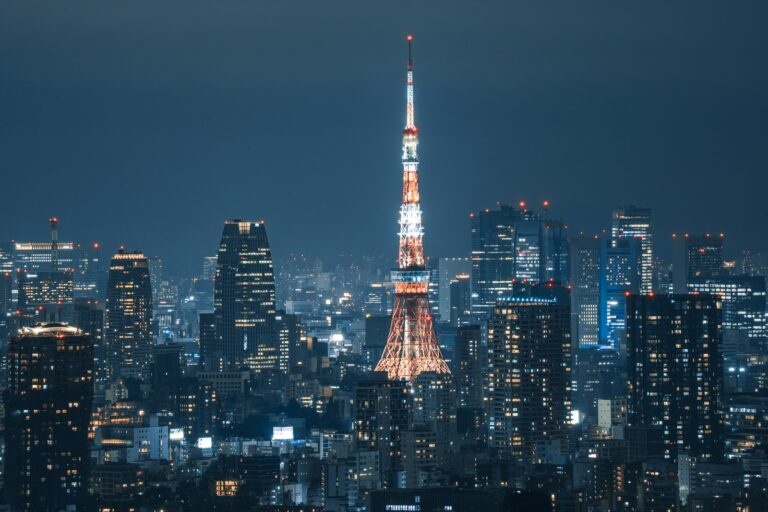
If your Haneda layover is short, don’t overthink it. Shinagawa is the first big stop on the Keikyu Line, and Hamamatsucho is the end of the monorail. From Hamamatsucho, Tokyo Tower is a short walk away and looks its best lit up at night. When every minute counts, it’s the most time-efficient “I saw Tokyo” moment a Tokyo layover at night can give you.
Tokyo Station, Marunouchi & Yurakucho
The red-brick Tokyo Station building glows at night, and the surrounding Marunouchi district is calm, polished and easy to navigate. From mid-November through mid-February, the Marunouchi Illumination lines Naka-dori with champagne-gold lights, typically on until about 11:00 pm (check the current year’s dates).
Walk south a few minutes and you hit the opposite mood: the smoky izakaya tucked under the train tracks at Yurakucho. It’s one of the best places in the city for a quick yakitori-and-beer stop with salarymen — see our Yurakucho Gado-Shita guide for how it works.
Shinjuku (If You Have 8+ Hours)
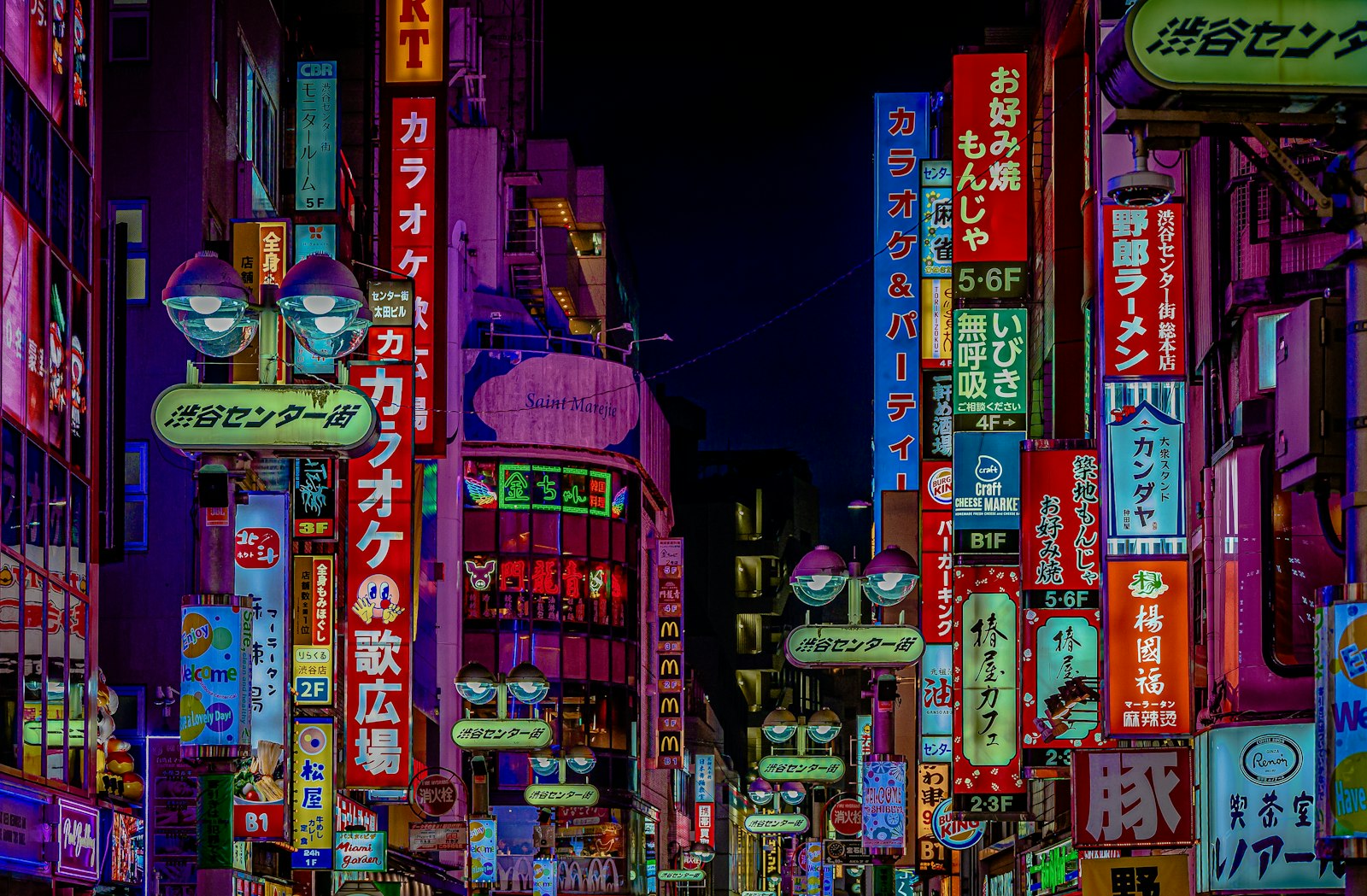
If you want the neon-soaked Tokyo you’ve seen in films, it’s Shinjuku. Omoide Yokocho’s tiny grill bars, Golden Gai’s matchbox-sized drinking dens, and the lights of Kabukicho are all within a short walk of each other. It’s the classic choice for a longer Tokyo layover at night.
Fair warning: Kabukicho has touts and the occasional rip-off bar. Don’t follow anyone off the street into a venue. Our Shinjuku nightlife guide explains how to enjoy the area without getting burned.
Asakusa & Ueno (Best from Narita)
Coming from Narita, the Skyliner drops you at Ueno, which puts you close to Asakusa. Senso-ji is beautifully lit at night and far less crowded than during the day. Ueno’s Ameyoko area has cheap, lively izakaya that are perfect for a short visit. For a Tokyo layover at night from Narita, this side of the city is the only realistic choice — trying to reach Shibuya and back eats far too much of your clock.
Shibuya (Only on Long Layovers)
Shibuya Crossing at night is iconic, but it takes longer to reach from either airport than the areas above. Save it for 10+ hour layovers, and watch the time — getting stranded in Shibuya after the last train is a common layover mistake.
Sample Itineraries for a Tokyo Layover at Night
8-Hour Evening Layover at Haneda (Land 6:00 pm, Depart 2:00 am)
- 6:00–7:15 pm: Immigration, customs, grab cash or top up an IC card
- 7:15–7:45 pm: Keikyu Line or monorail toward the city
- 7:45–10:15 pm: Tokyo Station area → dinner and drinks under the tracks in Yurakucho
- 10:15–10:45 pm: Head back to Haneda
- Before midnight: At the airport with plenty of buffer for your 2:00 am departure
12-Hour Overnight Layover at Haneda (Land 7:00 pm, Depart 7:00 am)
- Evening: Into Shinjuku for dinner at Omoide Yokocho, then a drink in Golden Gai
- Around midnight: Taxi back to Haneda, or stay near the airport
- Overnight: Rest at an airport-connected bath or hotel (see below)
- Early morning: Shower, coffee, check in
10-Hour Layover at Narita (Land 11:00 am, Depart 9:00 pm)
Because of Narita’s curfew, very late departures are rare, so most Narita “night” layovers are really late-afternoon-into-evening ones. A realistic plan: clear immigration by early afternoon, take the Skyliner to Ueno, watch Senso-ji light up in Asakusa as the sun sets, grab an early dinner in Ueno, then catch an airport-bound train early enough to be back at least 2 hours before departure.
When Staying at the Airport Is the Smarter Move
There’s no shame in staying put. Not every Tokyo layover at night needs to include the city. If your layover is short, or you land after about 10:00 pm, the airport is often the better choice.
At Haneda:
- Terminal 3 Observation Deck: Open 24 hours (it can close for bad weather), with views of planes taking off over Tokyo Bay. Details on the official Haneda site.
- Edo Market Place: An Edo-style shopping and dining area on the upper floors of Terminal 3. Some restaurants in the terminal are open 24 hours, but hours vary by shop.
- Izumi Tenku no Yu: A hot-spring bath complex in Haneda Airport Garden, directly connected to Terminal 3. The facility is open 24 hours, but the baths close for cleaning from 10:00 am to 12:30 pm, and guests with visible tattoos may be refused. Non-hotel guests can use it — and since it’s landside, you’ll need to clear immigration first.
At Narita:
- nine hours Narita Airport: A capsule hotel in Parking Building 2, connected to Terminal 2. It’s landside (you clear immigration to reach it) and offers both overnight stays and hourly rest.
If you’re stuck at the airport late, our list of places in Tokyo that stay open after midnight shows what’s possible if you do make it into the city later than planned.
Practical Tips for a Tokyo Layover at Night
- Get an IC card or set up a mobile one. Tapping in and out saves time at every gate.
- Carry some cash. Many small izakaya and yokocho bars are still cash-only.
- Keep your passport on you. Hotels and some bars may ask for it, and you’ll need it to get back airside.
- Set two alarms. One for “start heading back,” one for “you are now late.” Layover math always feels more generous than it is.
- Check your departure terminal. Haneda’s domestic and international terminals are separate. Going to the wrong one costs precious time.
- Watch the drinks. A long flight plus jet lag plus strong highballs is a bad combination when you have to clear security later.
What do you do in Tokyo After 10?
Join our Tokyo Nightlife Private Tour
You deserve better than overpriced bars and missed opportunities. We’re here for you.
Make the Most of a Short Night with a Local
The hardest part of a Tokyo layover at night isn’t the trains — it’s the time you waste figuring out where to go. Which alley? Which bar takes walk-ins? Which spot is a tourist trap? With only a few hours, every wrong turn hurts.
That’s where a local guide changes the night. On our Tokyo After 10 nightlife private tour, a guide who lives here takes you straight to the bars, yokocho and late-night spots that are actually worth your limited hours — and makes sure you know exactly when to head back to the airport. If your layover is long enough to go into the city, it’s the fastest way to turn a connection into the best night of your trip.