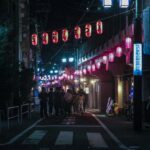
Photo by <a href="https://unsplash.com/@anthonyintraversato?utm_source=tokyodeepnightlife&utm_medium=referral">Anthony Intraversato</a> on <a href="https://unsplash.com/?utm_source=tokyodeepnightlife&utm_medium=referral">Unsplash</a>
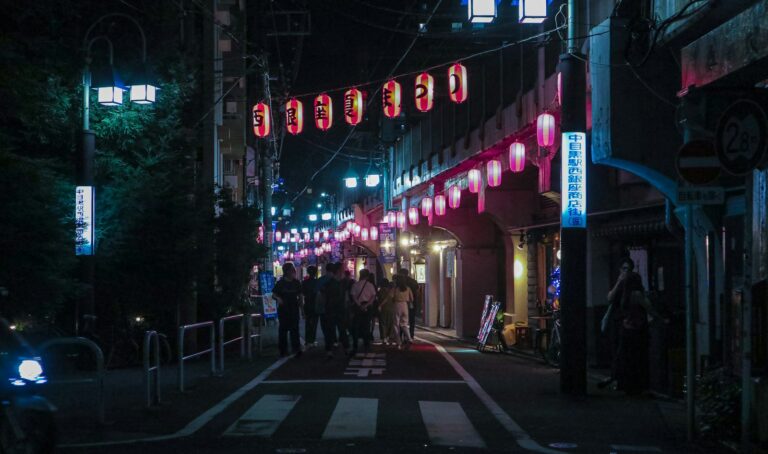
Here’s the thing nobody tells you about hunting for deep Tokyo drinking spots locals only frequent: finding them isn’t the hard part. Google Maps will put you inside a lantern-lit alley in twenty minutes. The hard part is the six-foot stretch between the doorway and the stool — the moment you slide open a frosted glass door, six salarymen turn around, and you have about four seconds to signal that you know what you’re doing.
This guide covers both halves. First, eight areas where the customers are overwhelmingly people who live nearby — ranked roughly from “you’ll be the only foreigner” to “you’ll have company.” Then the practical stuff competitors skip entirely: what the surprise charge on your bill is, why your card won’t work, and the three-second gesture that turns a suspicious owner into a friendly one.
Contents
- What “Locals Only” Actually Means in Tokyo
- How to Read a Bar Before You Walk In
- 8 Deep Tokyo Drinking Spots Locals Only Tend to Know
- The Money Talk: Otoshi, Cash, and What a Night Costs
- Etiquette That Gets You Treated Like a Regular
- What Doesn’t Work — and What to Avoid
- Timing: When These Areas Are Actually Good
- What do you do in Tokyo After 10?Join our Tokyo Nightlife Private Tour
- Skip the Guesswork: Drink Where Someone Already Has
- About the Author
What “Locals Only” Actually Means in Tokyo
Almost no Tokyo bar is legally “locals only.” What people mean by the phrase is a bar with no English menu, no photos outside, five to eight seats, and a regular crowd who all know each other’s drink order. Some of these places genuinely do turn away newcomers — the practice is called ichigensan okotowari (“no first-time customers”), and it’s more common in Kyoto than Tokyo, but it exists here too. Far more often, the barrier isn’t a rule. It’s just that nobody has ever bothered to make the place legible to an outsider.
That distinction matters, because it tells you where to aim. The famous alleys are not off-limits — they’re simply no longer local.
Shinjuku’s Golden Gai now holds more than 270 establishments across its seven lanes, according to the official Tokyo travel guide, and on a Friday night a good share of the people in them are on holiday. It’s still a great night out, and our Golden Gai guide covers how to do it well.
Same for Omoide Yokocho, which we break down in our Omoide Yokocho how-to. Just don’t confuse them with drinking where Tokyo actually drinks.
The real test is simple: ride one or two stops past where the guidebooks stop. The deep Tokyo drinking spots locals only bother with are rarely far away — almost every area below is within 25 minutes of Shinjuku or Shibuya.
How to Read a Bar Before You Walk In
Stand outside for ten seconds and check three things. This one habit will save you more bad nights than any list of bar names.
- The noren and the door. A short fabric curtain hanging in the doorway means the shop is open. If it’s been taken down and folded inside, they’ve stopped seating people, no matter what the hours sign says.
- The menu. Handwritten on strips of paper taped to the wall, no prices in English, no photos? That’s a local shop, and prices are almost certainly normal. Glossy laminated menu in four languages with a tout outside? Different business model entirely.
- The seat count. Six to ten seats means the owner is also the cook, the bartender, and the person who will decide whether you fit. Twenty-plus seats means you can walk in anonymously — a much easier first move.
If a place is full, don’t hover. Nod, say “mata kimasu” (I’ll come back), and move on. In an alley with thirty bars, walking away from one is not a defeat.
8 Deep Tokyo Drinking Spots Locals Only Tend to Know
1. Kitasenju — Nomiya Yokocho (the deepest end)
Twenty minutes north of Shinjuku on the Hibiya or Chiyoda line, Kitasenju is in Adachi Ward — a part of Tokyo that has almost no tourist infrastructure and doesn’t want any. Just outside the station’s west exit is a cluster of alleys known as Nomiya Yokocho, where the specialities are kushiage (deep-fried skewers) and nikomi (slow-stewed offal), and where cover charges are largely absent because nobody here has anyone to gouge.
The crowd is post-work salarymen plus students from the nearby Tokyo Denki University campus, which keeps it from feeling like a retirement home. This is the closest thing on this list to drinking in a Tokyo that tourism hasn’t priced.
2. Akabane — OK Yokocho
Akabane sits on the Keihin-Tohoku and Saikyo lines in northern Tokyo, and its drinking scene has a reputation among Tokyoites for starting early — people are visibly drunk here at 3pm on a Tuesday, and nobody minds.
Inside the Ichiban Gai arcade you’ll find OK Yokocho: roughly 30 small pubs and snack bars packed into less than 100 metres. The name reportedly comes from the idea that here, eating and drinking whatever you like is all OK. Bars are tiny, most are counter-only, and turnover is fast — one or two drinks per shop, then move.
3. Shimbashi — the salaryman’s home ground
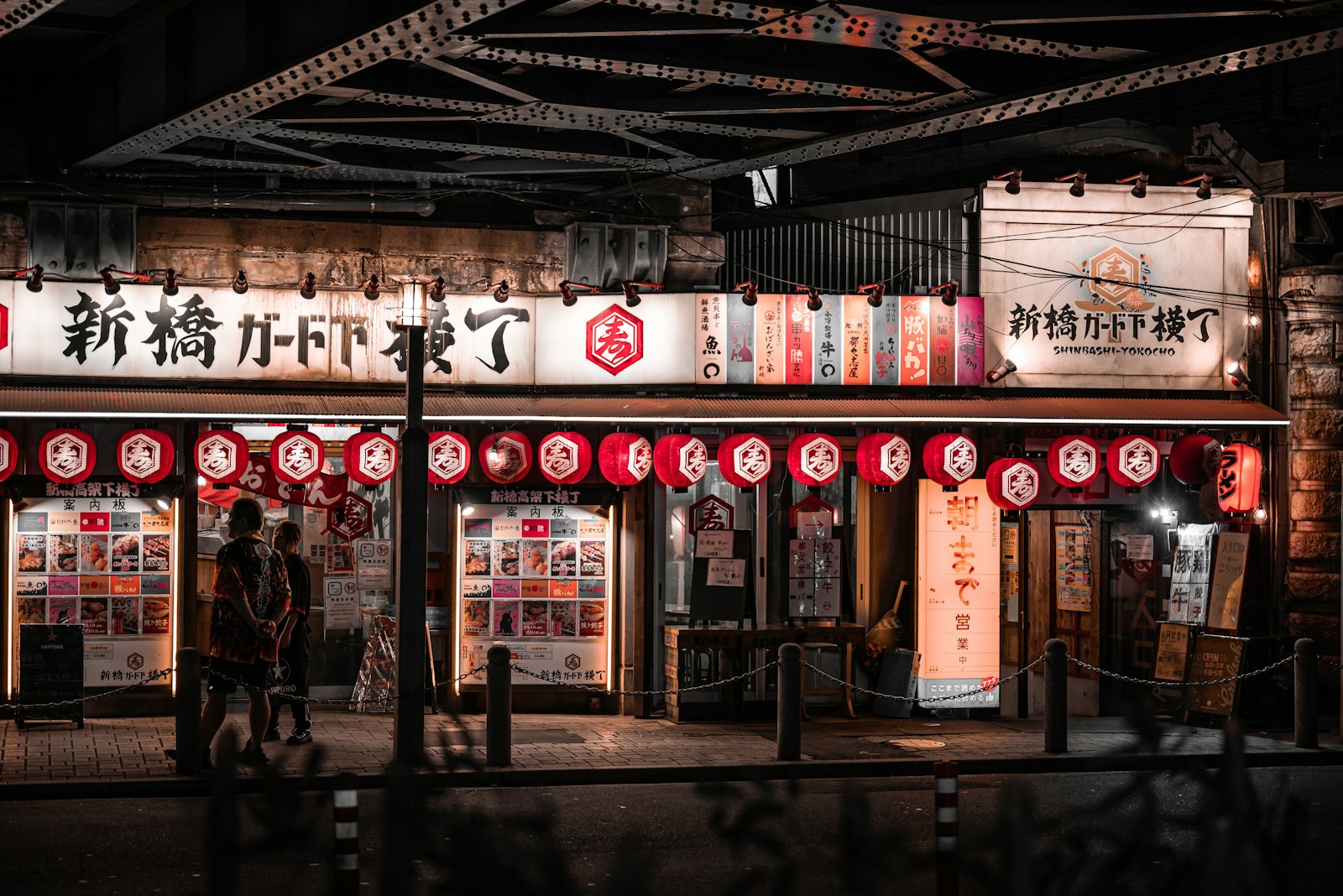
Shimbashi is what people picture when they picture Japanese office workers drinking: men in white shirts standing outside under the JR tracks, beer in one hand, yakitori in the other, at 6:40pm on a weekday. The area around SL Square (named for the steam locomotive parked out front) is the centre of the tachinomi scene — standing bars tucked into the corridors and basements of office buildings.
Standing is the point. Nobody sits, so nobody outranks anybody, and conversation between strangers happens far more easily than at a table.
Drinks run cheap — often in the ¥300–¥500 range per glass — and a full evening of three or four drinks with snacks commonly lands somewhere around ¥1,500–¥3,000 per person. Go on a weekday between 6pm and 8pm. On weekends, Shimbashi is close to dead.
4. Sangenjaya — Sankaku Chitai
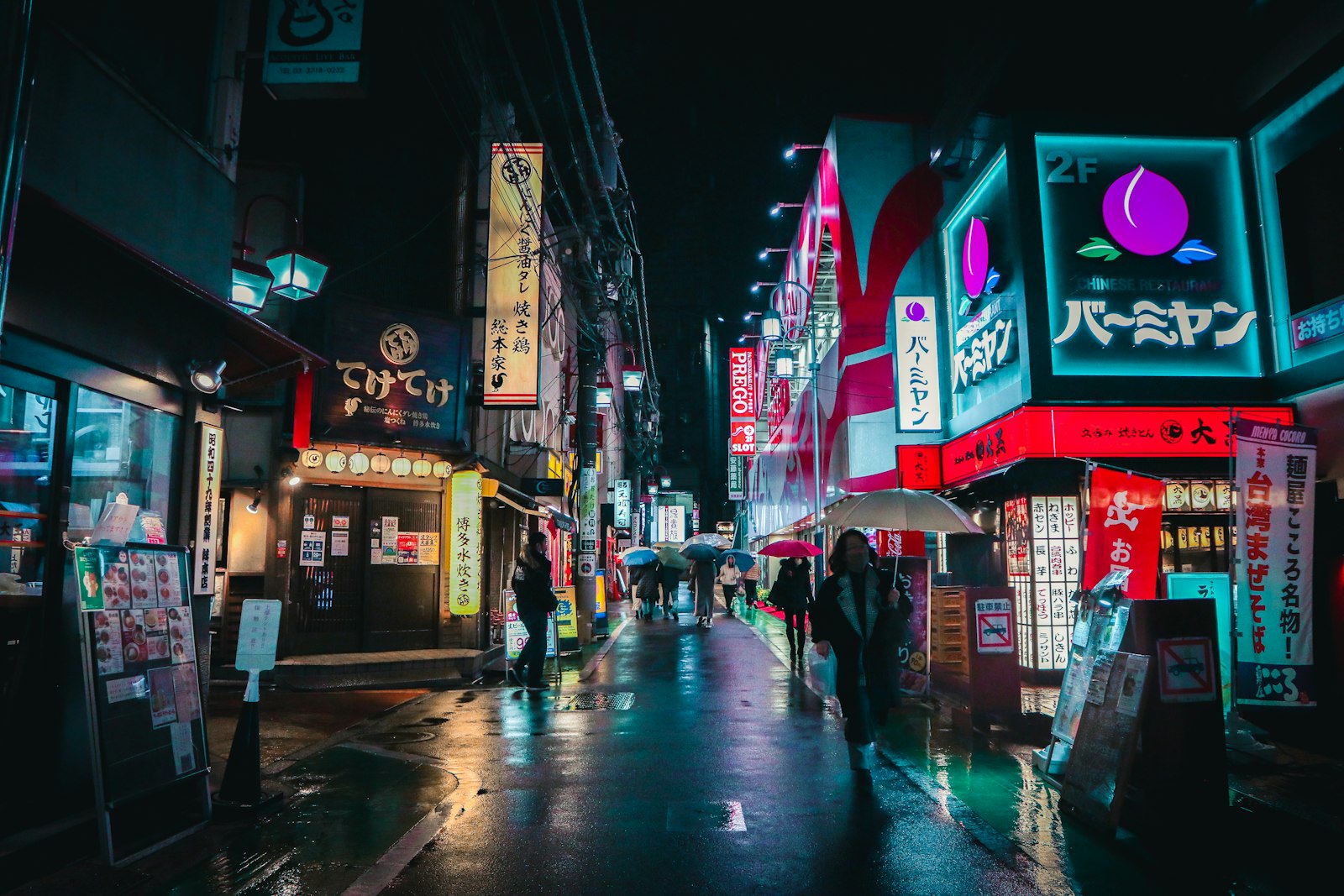
Five minutes from Shibuya on the Tokyu Den-en-toshi line, and a 2–3 minute walk from the station, Sankaku Chitai (“the triangle zone”) is a wedge of post-war alleys behind Sangenjaya Station — a genuine maze of tiny standing bars, charcoal-grill counters, and old jazz bars.
What makes it worth the trip over the Shibuya alleys is the range: this is a neighbourhood where people actually live, so alongside standard izakaya you’ll find gyoza specialists, foreign kitchens, and game meat. It’s the best entry on this list for a second or third night in Tokyo — local enough to feel real, big enough that you’ll always find a seat.
5. Koenji — the subculture end
Koenji is three stops west of Shinjuku on the Chuo line and is the heart of Tokyo’s alternative scene: punk venues, vintage shops, and a drinking culture that skews younger, scruffier, and much more likely to talk to you than a Shimbashi crowd will. Bars cluster in the arcades and under the tracks near the station. If you play in a band, work in something creative, or just don’t want to drink surrounded by suits, Koenji is your area.
6. Kichijoji — Harmonica Yokocho
Kichijoji sits at the western end of the Chuo line, consistently near the top of Tokyo’s “most desirable place to live” surveys — which is exactly why its drinking alley feels residential rather than touristic. Harmonica Yokocho, just outside the station’s north exit, packs roughly 100 shops into a warren of lanes so narrow that the row of shopfronts was said to resemble the reeds of a harmonica.
Its roots go back to a market that appeared on the cleared ground in front of the station in 1945 — one of the first post-war black markets in the city, per the Musashino City tourism organization. Some shops here open in the afternoon, so it’s a rare option for early drinking.
7. Asakusa — Hoppy Street (a gateway spot)
Honesty check: Hoppy Street is well-known and gets plenty of visitors. It earns a place here anyway, because the food and the format are still the real thing.
Also called Nikomi Dori (“stew street”), it’s lined with izakaya serving motsu-nikomi — beef tendon and offal slow-stewed for hours, usually ¥600–¥800 a bowl, with every shop guarding its own version. The drink to order is hoppy, a nearly alcohol-free malt beverage that you mix with shochu yourself. Note that some shops add a service charge of around ¥300 per person.
Seating spills onto the street, which makes this the least intimidating entry on the list — a good first stop before you attempt Kitasenju. Pair it with our Asakusa night guide if you’re building a whole evening.
8. Ebisu Yokocho (the easy landing)
Ebisu Yokocho, at 1-7-4 Ebisu in Shibuya City, is a covered arcade holding around twenty open-fronted counters, converted from an old shopping street in the late 1990s. It runs roughly 5pm to 5am, though every stall keeps its own hours.
It is not undiscovered, and prices reflect that. What it does offer is a genuinely relaxed atmosphere where sharing a table with strangers is normal and nobody will be startled that you walked in — a low-stakes place to practise everything in the next two sections before you go somewhere harder.
The Money Talk: Otoshi, Cash, and What a Night Costs
**The surprise charge is called otoshi. You sit down, and within a minute a small dish you didn’t order — potato salad, pickles, simmered vegetables — lands in front of you. It is not free and it is not a mistake. Otoshi is Japan’s version of a cover charge, typically ¥300–¥600 per person**, occasionally up to ¥1,000 at nicer bars. It’s rarely printed on the menu and rarely explained.
Two things to know. First, it exists because Japan has no tipping culture; the charge covers table service. So don’t tip on top of it — leaving money on the counter here reads as confusing, not generous.
Second, it’s usually per person per shop, which means an evening of six bars carries six otoshi charges. That’s ¥2,000–¥3,000 in cover before you’ve bought a single drink, and it’s the single biggest reason bar-hopping budgets blow out.
Bring cash. Many small izakaya and nearly every counter-sized bar are cash-only, and the ones with card readers often set a minimum. Withdraw at a 7-Eleven or Japan Post ATM — those reliably accept foreign cards — and budget roughly ¥5,000–¥8,000 per person for a proper night of three or four stops.
Looking for Adult Entertainment Services in Tokyo? Download this
I’ve spent over a decade exploring and studying Japan’s adult entertainment scene firsthand. If you’d like detailed insider information—including how to choose the right shop, what services are available, and tips for avoiding common mistakes—check out our exclusive E-book.
Etiquette That Gets You Treated Like a Regular
None of this is complicated. It just has to be done from the first second.
- Say the words on entry. “Hitori desu” (one person) or “futari desu” (two) while holding up fingers. That single phrase answers the owner’s only real question and instantly marks you as someone who has done this before.
- Order a drink immediately. Don’t study the menu for five minutes. Say “nama hitotsu” — one draft beer — then read. The first drink is a formality; it tells the owner you’re a customer.
- Never pour your own. Fill your companions’ glasses, and they’ll fill yours. If someone reaches over to pour for you, lift your glass slightly to meet the bottle.
- Don’t start before the toast. Wait for kanpai. Drinking first is a genuine small rudeness.
- Keep your bag and elbows in. These counters are 40cm deep. Bag on the hook or between your feet, not on the neighbouring seat.
- Have one or two and move on. In yokocho culture, staying three hours in a six-seat bar is bad manners. Two drinks, pay, thank the owner, go next door. It’s called hashigo-zake — ladder drinking — and it’s the whole point.
- Point and smile if the language fails. Point at what the person next to you is eating and say “onaji o kudasai” (the same, please). It works every time and it usually starts a conversation.
What Doesn’t Work — and What to Avoid
A guide that only lists upsides isn’t useful, so:
Groups of more than three will get turned away a lot. Most of these bars have six to eight seats. If there are five of you, split up and meet at the next stop, or accept that you’ll be limited to the bigger shops.
Photography is the fastest way to sour a room. Alleys look extraordinary on camera and owners know it — many now have “no photos” signs precisely because of tourists filming other people’s dinners. Ask before shooting inside, and never photograph other customers.
Don’t follow anybody who approaches you on the street. This is the one hard safety rule, and it applies mostly in Kabukicho and Roppongi rather than the areas above. A legitimate small bar does not need someone standing outside recruiting foreigners.
The scams that follow — inflated bills, hidden charges, forced card payments — are well documented, and we’ve covered exactly how they run in our Tokyo nightlife scams and safety guide. In Kitasenju or Sangenjaya you will simply never encounter this, which is another argument for going there.
Verify hours before you travel. Individually owned shops close on the owner’s whim, on public holidays, and often on Sundays. In residential areas like Akabane and Kitasenju, Sunday nights can be thin.
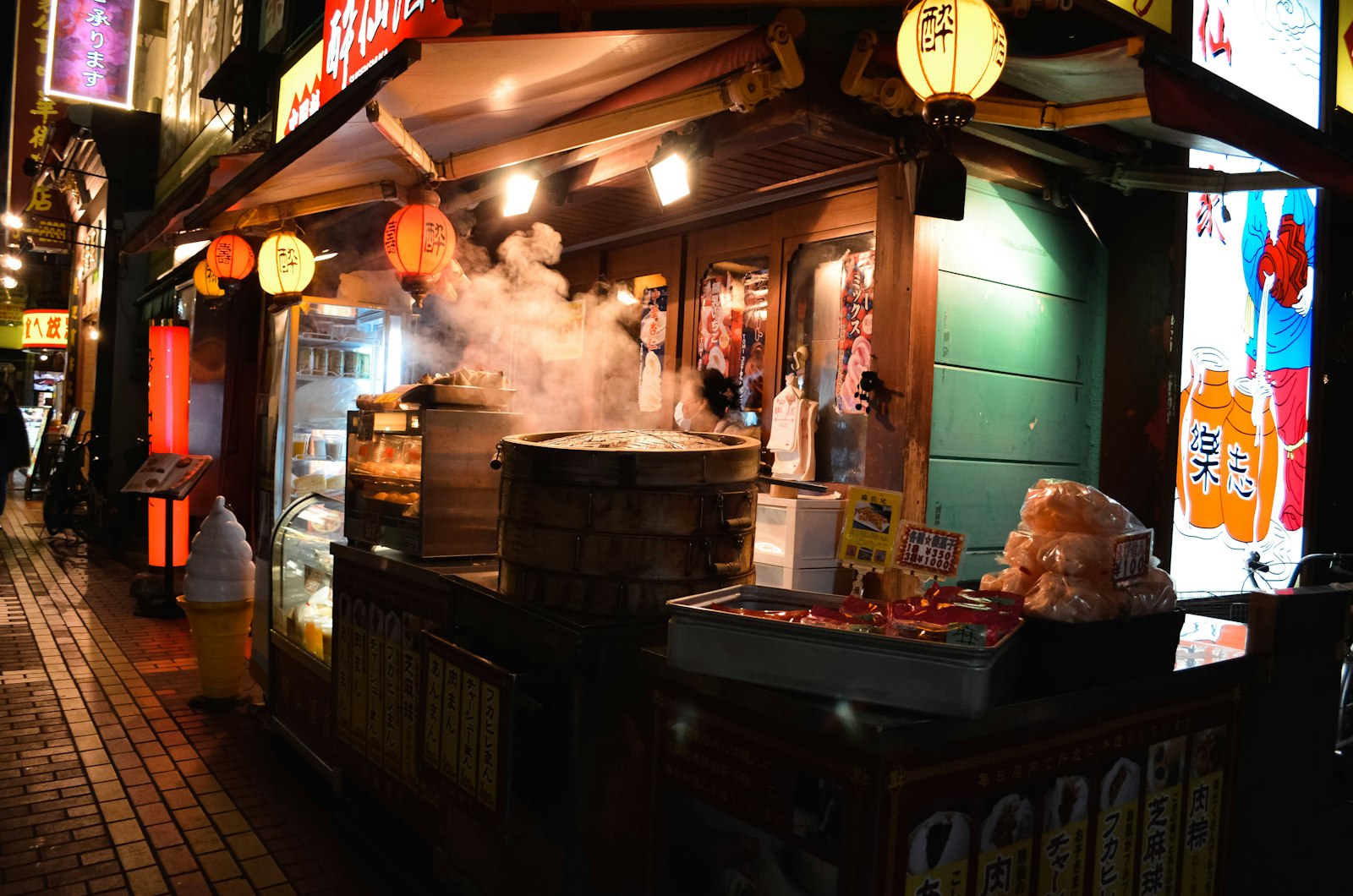
Timing: When These Areas Are Actually Good
Getting the hour right matters more than getting the bar right.
- 5:00–6:30pm — The sweet spot for standing bars in Shimbashi and for Harmonica Yokocho, where some shops open in the afternoon. Seats are free and the owner has time to talk.
- 7:00–9:00pm — Peak everywhere. Best atmosphere, hardest to get in with a group, most likely time to meet other customers.
- After 10:00pm — Salaryman districts start thinning as the last trains loom, while Koenji and Sangenjaya are just getting going. If you’re out this late, plan the train home or commit to staying out until 5am — Tokyo has almost no night trains. Our guide to what to do in Tokyo after 10pm covers the late-night options in detail.
- Weekday vs weekend — Shimbashi and Yurakucho are weekday-only in spirit. Sangenjaya, Koenji, Kichijoji and Kitasenju are neighbourhood areas and work all week.
One more scheduling note: last trains on most lines run somewhere between 12:00 and 1:00am. Check yours before the third bar, not after the fifth.
What do you do in Tokyo After 10?
Join our Tokyo Nightlife Private Tour
You deserve better than overpriced bars and missed opportunities. We’re here for you.
Skip the Guesswork: Drink Where Someone Already Has
Everything above is doable alone, and plenty of people do it. But there’s a real ceiling to solo exploring.
You can find the alley, and you can behave correctly inside it, and you still won’t know which of thirty identical-looking doors hides the owner who’s been running the place for forty years and loves talking to visitors. That information isn’t on Google Maps. It’s in someone’s head.
That’s the gap our guides fill. Kokyo Tours’ Tokyo After 10 nightlife tour is run by people who drink in these neighbourhoods on their own nights off — so you skip past the laminated-menu places to the counters where the owner pours you something that isn’t on any menu, translates the room, and makes the introduction that turns a bar into an evening.
If the deep Tokyo drinking spots locals only tell each other about are what you came for, that’s the shortest route to them. You handle the drinking. We’ll handle the door.
Sources: GO TOKYO — Drink and Dine Like a Local: A Guide to Exploring Yokocho Alleyways · Musashino City Tourism Organization — Harmonica Yokocho