Photo by <a href="https://unsplash.com/@hakannural?utm_source=tokyodeepnightlife&utm_medium=referral">Hakan Nural</a> on <a href="https://unsplash.com/?utm_source=tokyodeepnightlife&utm_medium=referral">Unsplash</a>
Most first-time visitors to Tokyo spend their nights in Shinjuku or Shibuya and only pass through Ikebukuro on the train. So is Ikebukuro worth visiting at night? Our honest answer: yes — if you know which side of the station to head for and what to skip. Ikebukuro is a busy, slightly rough-around-the-edges district where anime culture, cheap izakaya, office-worker bars and a big-city skyline all sit within a 15-minute walk of each other.
It’s less polished than Ginza and less famous than Kabukicho, which is exactly why many repeat visitors like it. Prices tend to be friendlier, crowds are more local, and you can mix a night view, a pop-culture shopping run and a few drinks in one evening without changing trains.
This guide breaks down Ikebukuro at night area by area, tells you who will love it (and who won’t), and covers the safety points that Tokyo police themselves warn about.
Contents
- The Short Answer: Is Ikebukuro Worth Visiting at Night?
- Understanding Ikebukuro at Night: East Exit vs West Exit
- East Exit: Neon, Arcades and Pop Culture
- West Exit: Izakaya, Office-Worker Bars and Park Light Shows
- Is Ikebukuro Safe at Night?
- A Sample Evening: How to Spend One Night in Ikebukuro
- Ikebukuro vs Shinjuku at Night: Which Should You Choose?
- Final Verdict: Is Ikebukuro Worth Visiting at Night?
- What do you do in Tokyo After 10?Join our Tokyo Nightlife Private Tour
- Explore Tokyo’s Night Side With a Local
- About the Author
The Short Answer: Is Ikebukuro Worth Visiting at Night?
Ikebukuro rewards a specific kind of traveler. Here’s a quick way to decide.
Ikebukuro is worth it at night if you:
- Are into anime, manga or games and want to combine shopping with dinner
- Want cheap, unpretentious izakaya and standing bars rather than cocktail lounges
- Are staying nearby (Ikebukuro is a popular hotel base thanks to its train connections)
- Have already done Shinjuku and Shibuya and want a more “everyday Tokyo” night
You might skip it if you:
- Only have one or two nights in Tokyo — Shinjuku packs more variety into a smaller area
- Want a clubbing-focused night (Shibuya and Roppongi are stronger for that)
- Are looking for upscale bars with skyline views and a dress code
If you’re still deciding between districts, our guide to the best neighborhoods for nightlife in Tokyo compares the main options side by side.
Understanding Ikebukuro at Night: East Exit vs West Exit
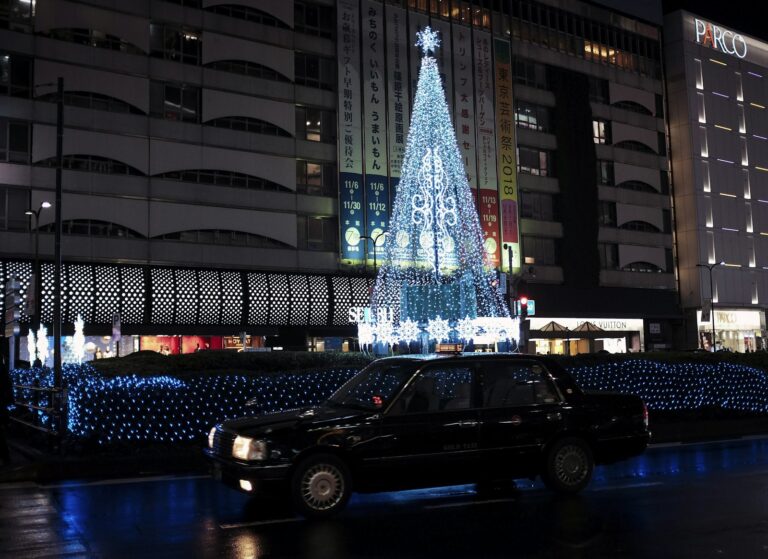
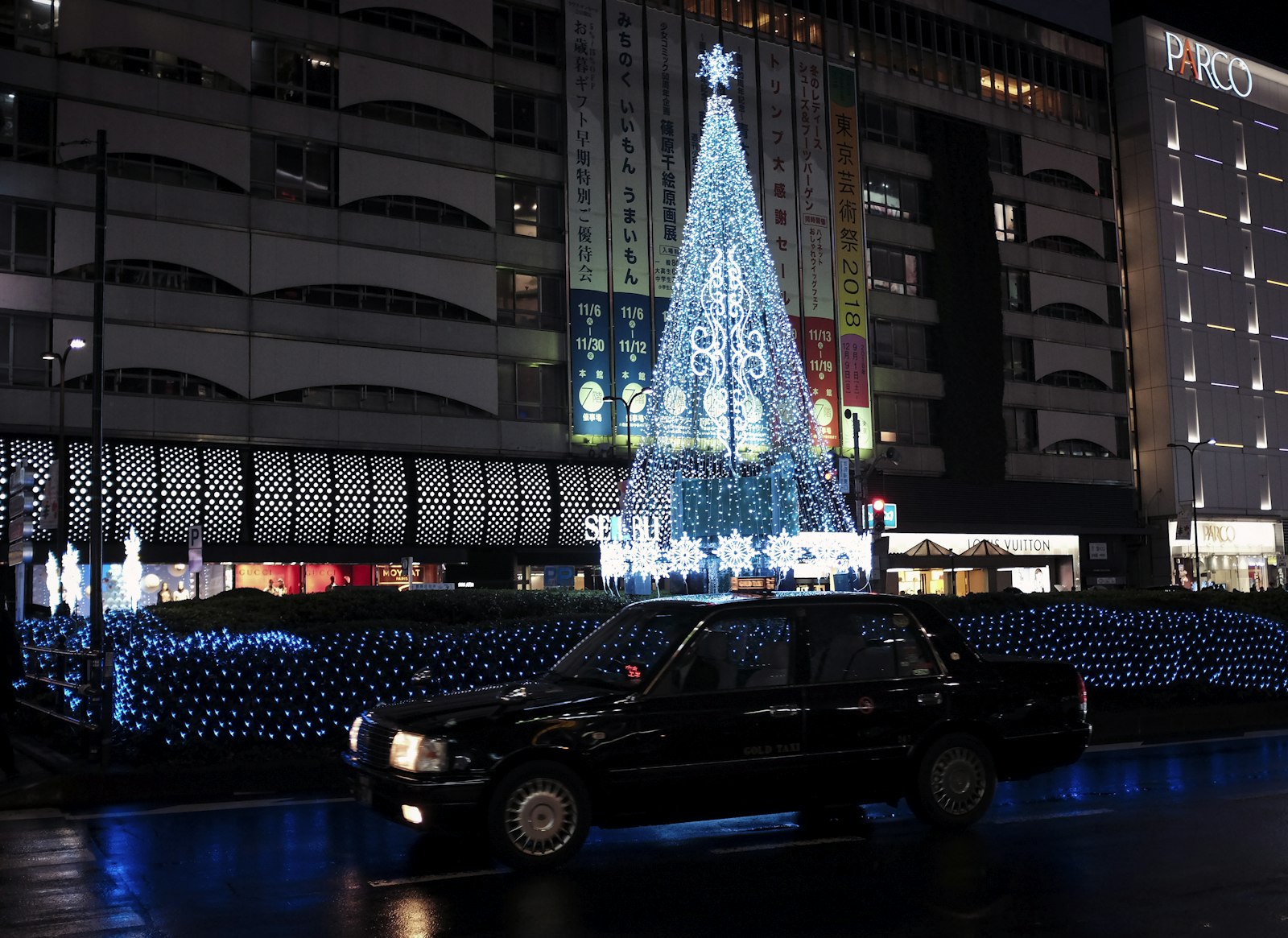
Ikebukuro Station is one of Tokyo’s biggest rail hubs, and the station effectively splits the district in two. The confusing part for visitors: the Seibu department store is on the East side and Tobu is on the West side — the opposite of what the names suggest. Locals joke about it, and you’ll want to remember it when navigating.
As a rule of thumb:
- East Exit (Higashi-guchi): Brighter, younger and busier. Sunshine 60 Street, Sunshine City, game centers, karaoke chains and Otome Road.
- West Exit (Nishi-guchi): More grown-up and more local. Department stores, a public park with light shows, and dense blocks of izakaya and small bars aimed at office workers.
- North Exit (Kita-guchi): The grittiest corner, with a higher concentration of adult entertainment and late-night businesses. Fine to walk through, but not where most travelers will find their best night.
East Exit: Neon, Arcades and Pop Culture
If you’ve seen photos of Ikebukuro at night, they were probably taken here.
Sunshine 60 Street
Sunshine 60 Street (Sunshine 60-dori) is the main drag running from the East Exit toward Sunshine City. In the evening it’s packed with students, shoppers and groups heading to dinner, lined with chain restaurants, game centers, karaoke buildings and drugstores. It’s not “hidden Tokyo,” but it delivers that classic wall-of-neon energy that many visitors come to Japan for.
Arcades are a good low-commitment way to spend an hour. Crane games, rhythm games and purikura photo booths are a fun group activity, and the crowd is generally young and friendly.
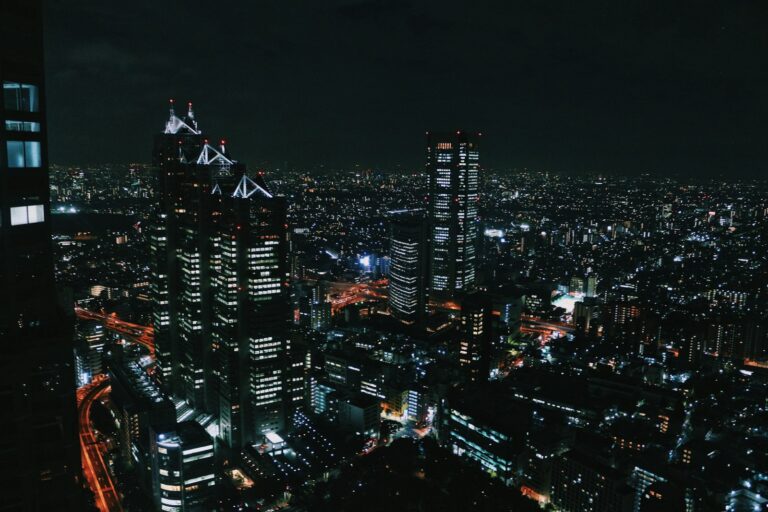
Sunshine 60 Observatory for a Night View
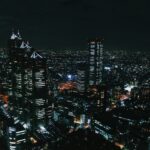
At the end of the strip, Sunshine City’s 60-floor tower has an observation deck called Sunshine 60 Observatory “Tenbou-Park.” According to Sunshine City’s official FAQ, regular hours are 11:00–21:00, with last entry at 20:00, though hours change during special opening periods. Go Tokyo lists general admission at 700 yen, with prices varying by season and time period, so check the official site before you go.
Going around sunset and staying into the evening is the best way to get both a daylight panorama and the city lights. It’s a calmer, less crowded alternative to the big-name observatories in central Tokyo.
Otome Road and Anime Shopping
Behind Sunshine City is Otome Road, a stretch known for shops selling anime goods, doujinshi and merchandise aimed especially at female fans. The flagship Animate store is nearby, too.
The catch for night owls: most of these shops close around 20:00–21:00, and hours vary by store and by day. If anime shopping is your priority, arrive in the late afternoon, shop first, and then move on to food and drinks. Some themed bars and cafés in the area open into the evening, but they change often, so check recent listings before going.
Karaoke Until Late
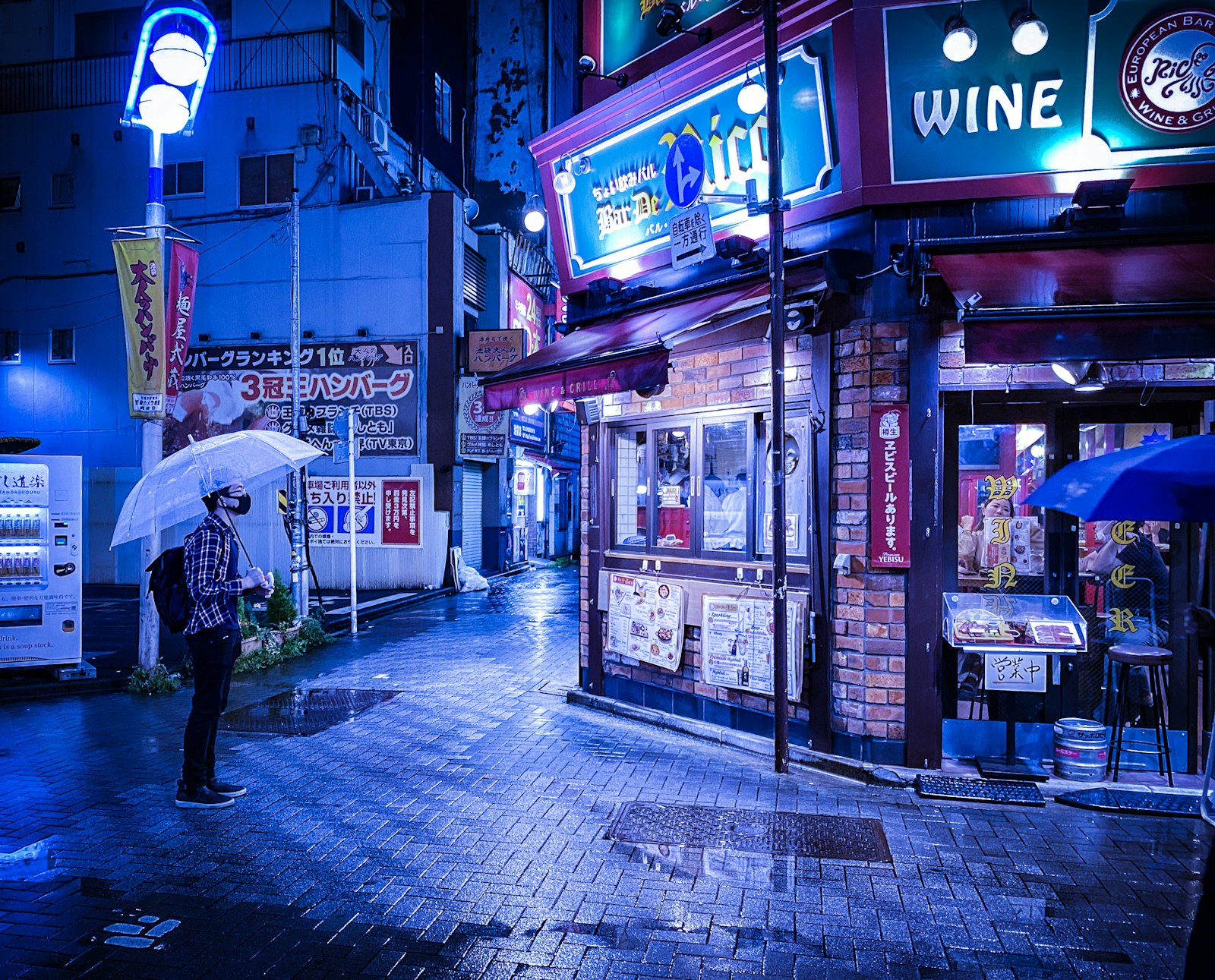
The East Exit has a heavy concentration of big karaoke chains, which makes it one of the easier places in Tokyo to walk in and get a room without a reservation on a weeknight. Many offer late-night packages, which double as a practical place to wait for the first train if you miss the last one. If it’s your first time, expect to pay per person for a set block of time, usually with a drink order or drink plan on top.
West Exit: Izakaya, Office-Worker Bars and Park Light Shows
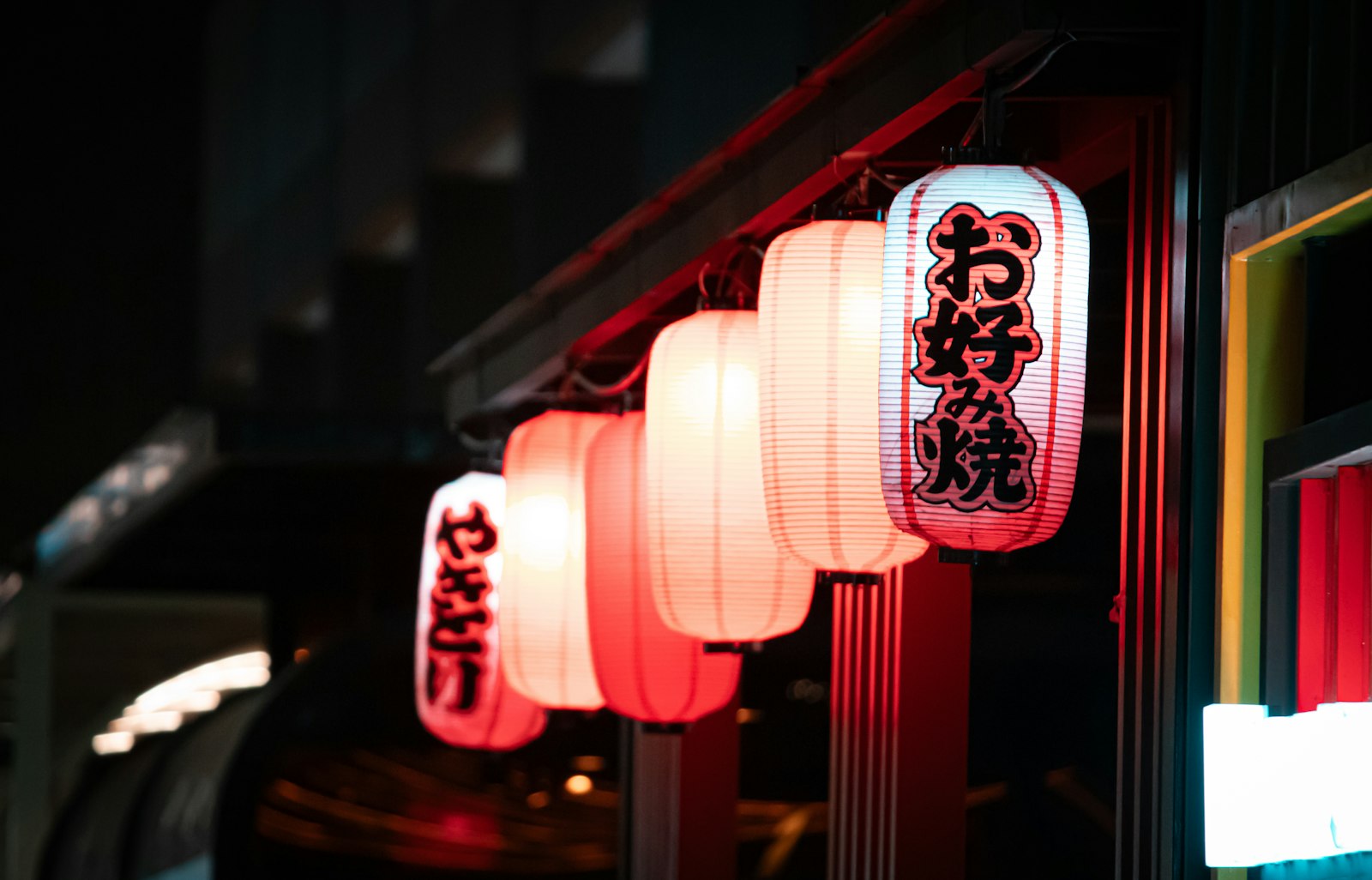
Cross to the West Exit and the mood shifts. The crowd skews older, the bars get smaller, and the neon is more red lanterns than LED billboards.
Ikebukuro West Exit Park (Global Ring)
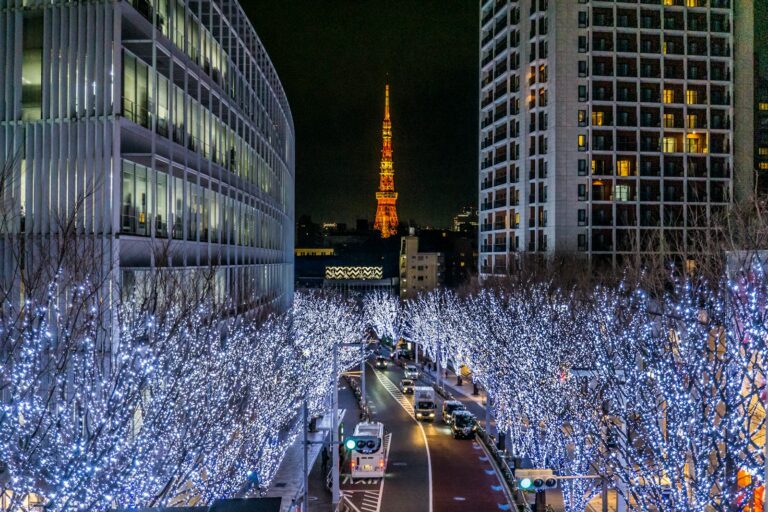
Just a couple of minutes’ walk from the station, Ikebukuro West Exit Park (Ikebukuro Nishiguchi Park) was redeveloped around a large ring-shaped structure known as the Global Ring, with an outdoor theater stage and a large screen. At night the ring is lit up, and in the colder months the park has hosted a winter illumination event with periodic light shows. Dates and hours change every season, so check before visiting — but even outside event periods, it’s a pleasant place to start a West Exit evening.
The Izakaya Back Streets
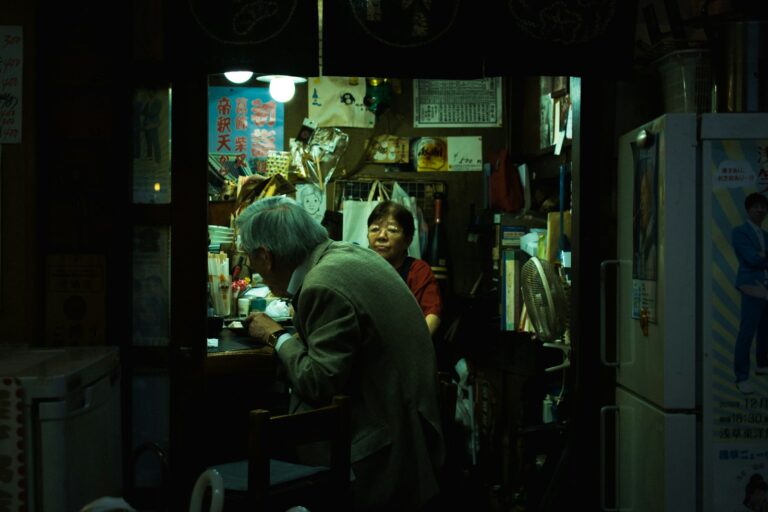
The real reason to come to the West Exit at night is the food and drink. Behind the main shopping streets, narrow lanes are packed with izakaya, yakitori counters and standing bars.
One exception worth crossing back for: Mikuni-Koji, a tiny lantern-lit drinking alley on the East side, a few minutes’ walk from the station toward Higashi-Ikebukuro. It feels closer to old Shinjuku than to modern Ikebukuro, and it’s a good last stop if you’re heading back east for karaoke.
What to expect:
- Prices: Generally more affordable than Shinjuku or Ginza. Standing bars in particular are a budget-friendly way to try several spots in one night.
- Language: Many smaller places have Japanese-only menus. Pointing, translation apps and a smile go a long way.
- Seating charge: Sit-down izakaya often add a small table charge with an appetizer (otoshi). It’s normal, not a scam.
The West Exit is also where you’ll see what Tokyo’s after-work drinking culture really looks like: salarymen in suits, colleagues sharing big plates, and a lot of highballs.
Looking for Adult Entertainment Services in Tokyo? Download this
I’ve spent over a decade exploring and studying Japan’s adult entertainment scene firsthand. If you’d like detailed insider information—including how to choose the right shop, what services are available, and tips for avoiding common mistakes—check out our exclusive E-book.
Is Ikebukuro Safe at Night?
For most travelers, yes. Japan’s general safety applies here, and the main streets around the station are busy late into the evening. But Ikebukuro does have a nightlife-district side that you should know about.
The Tokyo Metropolitan Police Department describes Ikebukuro as “one of the biggest nightlife and entertainment districts in Japan” and warns visitors about illegal street hawkers who lure customers into bars and then charge “inexplicably large bills.” Their advice is simple: don’t follow touts or anyone who approaches you on the street.
Practical rules for Ikebukuro at night:
- Ignore touts. Anyone stopping you on the street to recommend a bar, girls’ bar or “cheap drinks” is a red flag. Walk on.
- Check the price system before you sit down. Some bars in Ikebukuro charge entry fees, seat charges or fees for staff company. If there’s no clear menu with prices, leave.
- Be careful with dating-app “dates.” Police specifically warn about people met online steering victims to rip-off bars.
- Watch your drink. Don’t leave it unattended, and be wary of a “strong first drink” pushed on you by strangers.
- Know your last train. Ikebukuro is a big hub, but missing your connection late at night can be expensive. Our guide to Tokyo last train times covers how to plan around it.
If you want the full rundown of common tricks, read our Tokyo nightlife scams and safety guide.
A Sample Evening: How to Spend One Night in Ikebukuro
Here’s a simple route that covers the best of Ikebukuro at night without rushing:
- Late afternoon (around 17:00): Start on the East Exit side. Browse Otome Road and the anime stores before they close.
- Sunset: Head up the Sunshine 60 Observatory for the city lights (remember last entry is around 20:00).
- 20:00–21:00: Walk back down Sunshine 60 Street for the neon, and stop at an arcade if you’re with friends.
- 21:00 onward: Cross to the West Exit. Stroll past the Global Ring, then dive into the izakaya back streets for food and a few drinks.
- Late night: Finish with karaoke near the East Exit — or head home before the last train.
This route works well for first-timers, couples and groups of friends. Solo travelers will find the West Exit standing bars the easiest places to strike up a conversation.
Ikebukuro vs Shinjuku at Night: Which Should You Choose?
Both are huge station districts with a mix of shopping, food and nightlife. The difference is in the details:
- Atmosphere: Shinjuku is more dramatic and more famous — Kabukicho, Golden Gai and Omoide Yokocho are all within walking distance. Ikebukuro feels more local and lower-key.
- Crowds: Shinjuku’s nightlife areas are heavily visited by tourists. In Ikebukuro, you’re more likely to be surrounded by Japanese students and office workers.
- Interests: Ikebukuro wins for anime and pop-culture fans. Shinjuku wins for variety and iconic photo spots.
- Touts: Both have them. Kabukicho is the better-known hotspot, but the same rules apply in Ikebukuro.
If you have several nights in Tokyo, do both. If you only have one, Shinjuku is usually the safer bet for a first visit — and Ikebukuro is the better pick for a second or third night, or if you’re staying there.
Final Verdict: Is Ikebukuro Worth Visiting at Night?
Ikebukuro isn’t Tokyo’s most glamorous nightlife district, and it doesn’t try to be. What it offers is a real, lived-in slice of Tokyo after dark: anime shopping, an underrated night view, cheap izakaya alleys, karaoke until late and a crowd that’s mostly locals. For travelers who’ve already seen the headline spots — or who just want a night that feels less staged — it’s well worth the trip.
The main thing to manage is the nightlife-district side: ignore touts, check prices before you sit, and know your way home.
What do you do in Tokyo After 10?
Join our Tokyo Nightlife Private Tour
You deserve better than overpriced bars and missed opportunities. We’re here for you.
Explore Tokyo’s Night Side With a Local
Ikebukuro is easy to enjoy on your own if you stick to the main streets. The harder part is finding the small bars that don’t appear on Google Maps, ordering confidently at Japanese-only counters, and knowing which doors to avoid.
That’s where a local guide makes a difference. Our Tokyo After 10 nightlife private tour takes you to the bars and back streets locals actually use, handles the language and the menus, and keeps you clear of rip-off spots — so you can spend your night drinking and talking instead of worrying. Browse all experiences at Kokyo Tours.