Photo by <a href="https://unsplash.com/@soloeddi?utm_source=tokyodeepnightlife&utm_medium=referral">Eddi Aguirre</a> on <a href="https://unsplash.com/?utm_source=tokyodeepnightlife&utm_medium=referral">Unsplash</a>
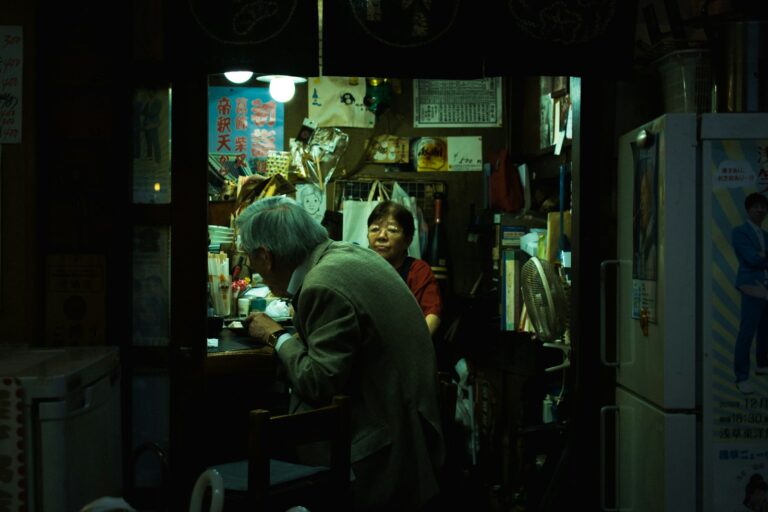
At around 7pm on a weekday, the area outside Shimbashi Station fills with dark suits, loosened ties and office workers deciding where to go for a drink. If you want to see how Tokyo’s office workers actually unwind, a Shimbashi izakaya with a salaryman crowd is about as real as it gets. There are no theme bars or neon tourist strips here, just smoky counters, cold beer and colleagues who have just finished a long day.
Shimbashi has long been known as the “salaryman’s town.” It sits close to the Kasumigaseki government district, the Marunouchi and Ginza areas, and the Shiodome business towers, so when offices empty out, a lot of those workers head here.
This guide is about the salaryman side of Shimbashi: how the after-work rhythm works, where the office crowd drinks, what they order, and how to sit among them without feeling out of place. For a zone-by-zone bar map, see our companion Shinbashi drinking guide to gado-shita and salaryman izakaya.
Contents
- Why Shimbashi Is Tokyo’s Salaryman Izakaya Capital
- How a Shimbashi Izakaya Salaryman Night Works
- Where Shimbashi Salarymen Drink: 4 Areas to Know
- A Verified Standing Bar to Start With
- What Salarymen Order at a Shimbashi Izakaya
- Salaryman Izakaya Etiquette: How to Fit In
- A Calmer Alternative: Hibiya OKUROJI
- Sample Shimbashi Salaryman Evening
- What do you do in Tokyo After 10?Join our Tokyo Nightlife Private Tour
- Drink in Shimbashi With Someone Who Knows the Counters
- About the Author
Why Shimbashi Is Tokyo’s Salaryman Izakaya Capital
Shimbashi’s drinking culture is closely tied to its location and its history.
- Railway history: Japan’s first railway opened in 1872 between Shimbashi and Yokohama. The original terminus stood in what is now Shiodome, and the current station later took over the Shimbashi name. The area has been a transport hub ever since.
- Office geography: Government ministries, major corporations and media companies are all within walking or short train distance. For thousands of commuters, Shimbashi is the last stop before the train home.
- Postwar roots: Small izakaya and food stalls have lined these streets since just after the Second World War, and many of today’s counters still keep that cramped, no-frills style.
The result is a district where drinking is part of working life. Teams celebrate closed deals, bosses take juniors out, and plenty of people drink alone at a standing bar for twenty minutes before catching the train.
SL Square: The Salaryman Meeting Point
Outside the station’s Hibiya Exit is SL Square (SL Hiroba), named after the black steam locomotive on display there. The square was created in 1972 to mark 100 years of Japanese railways, and the engine is a C11 model, number 292.
Japanese viewers know SL Square well because TV crews use it for street interviews with tipsy office workers on their way home. It’s also where colleagues meet before heading off to dinner, especially on Friday nights. Start your evening here and watch the groups gather and move off toward the izakaya.
How a Shimbashi Izakaya Salaryman Night Works
Knowing the rhythm of a typical evening helps you pick the right time and the right type of bar.
The After-Work Rush (18:00–20:00)
Offices start emptying from around 18:00, and the first wave of drinkers arrives right after. This is when standing bars are busiest and the energy is highest. Weeknights are the main event. Friday is the big night, and the area is noticeably quieter on weekends because the people who fill it don’t work here on Saturday and Sunday.
Nomikai, Nijikai and the Late Crowd
Group work parties, called nomikai, usually start at a sit-down izakaya with shared plates. After the first round, part of the group moves on to a second venue (nijikai), often a smaller bar or karaoke. By 22:00–23:00 the crowd thins out as people head for their trains. If you want to understand the social rules behind all this, our guide to salaryman drinking culture in Tokyo goes deeper.
The Solo “One More Drink”
Not every salaryman is with a group. Shimbashi has plenty of standing bars (tachinomi) where people stop for one or two drinks and a small plate on the way home. These are often the easiest places for a visitor to start, because nobody expects you to stay long.
Where Shimbashi Salarymen Drink: 4 Areas to Know
For a Shimbashi izakaya salaryman night, rather than chasing individual “best bars,” it’s more useful to know the areas where the office crowd goes. Each one feels different.
1. Under the Tracks (Gado-Shita)
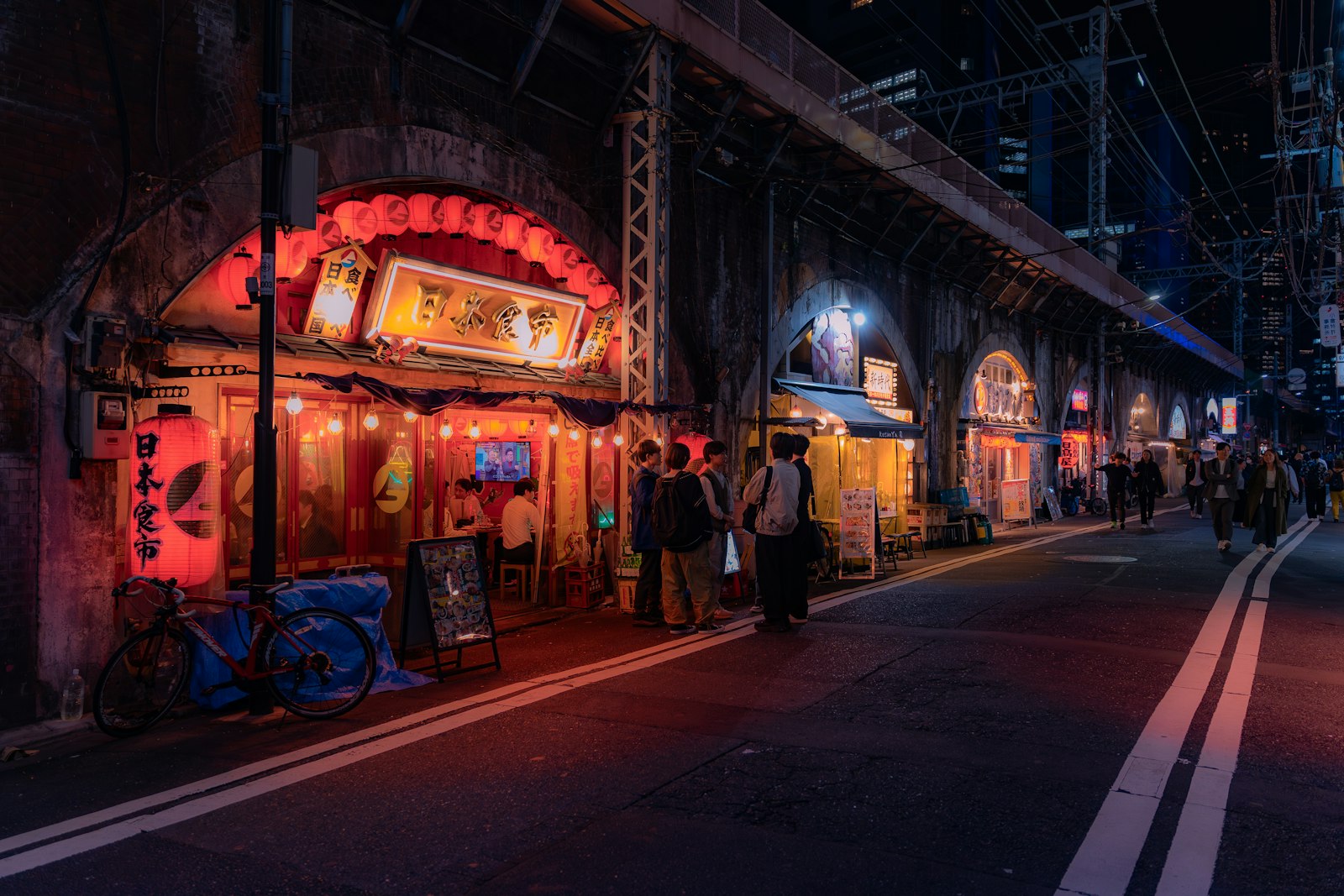
The elevated JR tracks running from Shimbashi toward Yurakucho are lined with eateries built into and under the arches. Time Out Tokyo calls this strip “salaryman heaven” and describes yakitori joints, standing bars, Chinese restaurants and Korean barbecue, with trains rumbling overhead. It tends to get smokier and busier as you head toward Yurakucho.
From Shimbashi, the Karasumori Exit side puts you close to the under-the-tracks izakaya. Many places are open to the street, so you can see what people are eating before you commit. If you want to continue the walk north, our Yurakucho gado-shita guide covers the other end of the strip.
2. New Shimbashi Building
On the west side of JR Shimbashi Station, near SL Square, the New Shimbashi Building (Shinbashi 2-16-1, Minato-ku) is a dated office-and-retail block with several izakaya in its basement. Budget travel guides point to it as one of the area’s go-to spots for cheap eating and drinking, and warn that the basement can be smoky and cramped. That’s part of the appeal: it’s mostly locals, with not many tourists.
3. Shinbashi Ekimae Building No. 1
Across the station area, Shinbashi Ekimae Building No. 1 is another old station-front building whose basement is popular with locals. Walking through its corridors of small counters, you’ll see salarymen eating alone, quick lunches and early-evening drinks. It’s a good place to look around before choosing somewhere to sit.
4. The Back Streets Toward Karasumori
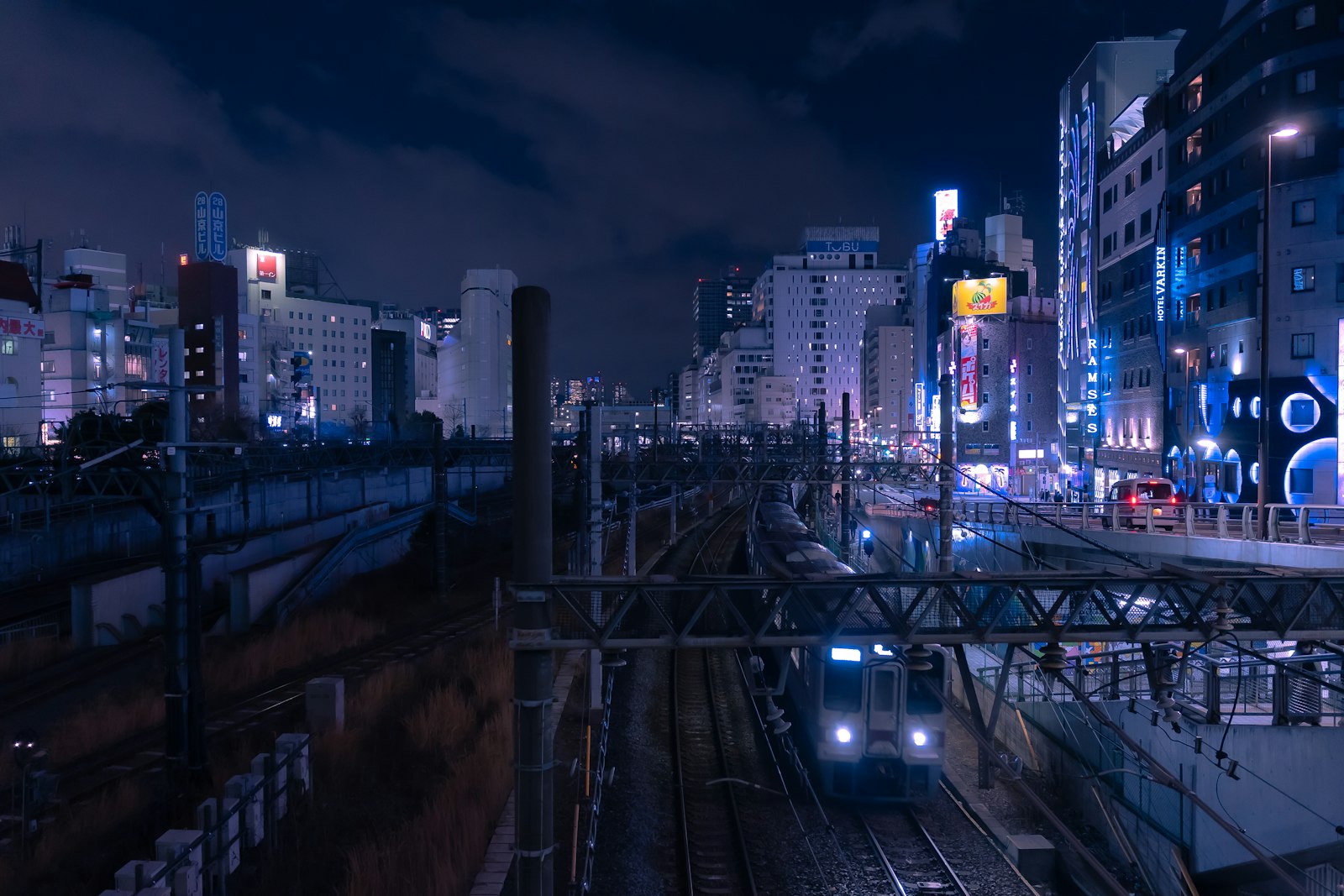
Behind the Karasumori Exit, the side streets are packed with small izakaya, yakitori counters, seafood restaurants and standing bars. This is where many groups end up for their nijikai, and it’s the most classic Shimbashi izakaya salaryman scene in the area. Seafood is a strength in this area. For example, the seafood izakaya group Uokin has several branches clustered around Shinbashi, which tells you how much demand there is for fish and sake after work.
A Verified Standing Bar to Start With
If you want one specific, easy entry point, here’s a place whose details we were able to confirm.
Tachinomi Dokoro Heso, Shinbashi Main Store (立呑処へそ 新橋本店)
- Address: TM Building 1F, 2-8-2 Shinbashi, Minato-ku, Tokyo
- Access: About a 2-minute walk from Shimbashi Station (Tokyo Metro Ginza Line)
- Hours (as listed on Gurunavi): Mon–Fri 11:30–24:00 (last order 23:30); Sat 12:00–23:30; Sun and holidays 12:00–21:00
- Budget: Gurunavi lists an average of around ¥2,000 per person in the evening
Heso is a classic Shimbashi tachinomi. You stand, order a few cheap drinks and small plates, and leave when you’re ready. It’s open from late morning, so you can stop by in the late afternoon before the after-work rush and get a feel for how the place works. Hours and prices can change, so check the listing before you go.
Looking for Adult Entertainment Services in Tokyo? Download this
I’ve spent over a decade exploring and studying Japan’s adult entertainment scene firsthand. If you’d like detailed insider information—including how to choose the right shop, what services are available, and tips for avoiding common mistakes—check out our exclusive E-book.
What Salarymen Order at a Shimbashi Izakaya
You don’t need to read the whole menu. Ordering what everyone around you is having is a perfectly good strategy.
Drinks
- “Toriaezu biru” (“beer for now”): The classic first order. Most groups start with draft beer and kanpai together.
- Highball: Whisky and soda, served in big mugs. It’s one of the most common drinks in after-work izakaya.
- Hoppy: A low-alcohol beer-flavored drink mixed with shochu. The refill system (naka for more shochu, soto for more Hoppy) is popular in old-school spots.
- Lemon sour / chuhai: Shochu with soda and fruit flavoring, cheap and easy to drink.
- Sake and shochu: Ordered more as the night goes on, especially with sashimi or grilled fish.
Food
- Yakitori: Grilled chicken skewers, ordered with salt (shio) or sauce (tare).
- Motsu-ni: Simmered offal stew, a very salaryman-style snack.
- Sashimi platters: Especially good in the seafood-focused back-street izakaya.
- Kushikatsu: Deep-fried skewers, common at standing bars.
- Edamame, potato salad, tamagoyaki: Cheap sides that show up on almost every table.
Salaryman Izakaya Etiquette: How to Fit In
A Shimbashi izakaya salaryman crowd is used to regulars, not tourists, so a few basics will make your night much smoother. Our full guide to izakaya etiquette for foreigners covers more, but these are the essentials.
- Order a drink right away. Staff expect a drink order as soon as you sit or stand. Don’t take long over the menu.
- Expect an otoshi charge. Many sit-down izakaya serve a small appetizer you didn’t order and add a cover charge for it. It’s normal, not a scam. Factor it into your budget.
- Keep standing-bar visits short. At a tachinomi, a drink or two and a plate is the norm. Make space when it gets busy.
- Don’t photograph people. Salarymen are off duty, not a tourist attraction. Take photos of your food, not of the people next to you.
- Bring cash. Many small, older counters still prefer cash, especially in the basement buildings.
- Be ready for smoke. Some small old-style bars can still be smoky. If that bothers you, look for clear no-smoking signs or choose a newer venue.
- Say yes to conversation, but read the room. Some salarymen love chatting with visitors after a couple of drinks. Others just want a quiet beer. A smile and a “kanpai” is usually enough to break the ice.
A Calmer Alternative: Hibiya OKUROJI
If the smoky basements feel like too much, walk about six minutes from Shimbashi Station’s Hibiya Exit to Hibiya OKUROJI (1-7-1 Uchisaiwaicho, Chiyoda-ku). According to Go Tokyo, the official Tokyo travel guide, the complex fills a 300-meter stretch of red-brick railway arches dating to 1910, which were among Japan’s first elevated railway tracks.
It’s cleaner, quieter and a bit more upmarket than the classic Shimbashi izakaya, with restaurants and bars set into the arches. The crowd is still mostly local office workers, so it’s a good fit if you want the under-the-tracks atmosphere at a gentler pace.
Sample Shimbashi Salaryman Evening
Here’s a simple way to see the area across one evening, following the same timing as a typical Shimbashi izakaya salaryman night:
- 17:30 – SL Square: Arrive before the rush and watch the meet-ups start around the locomotive.
- 18:00 – Standing bar: Have your first beer at a tachinomi like Heso while it fills with the after-work crowd.
- 19:00 – Basement izakaya: Look around the New Shimbashi Building or Ekimae Building No. 1 basements and pick a counter with a good atmosphere.
- 20:30 – Under the tracks: Walk the gado-shita toward Yurakucho for yakitori and a highball.
- 22:00 – Wind down: Finish at Hibiya OKUROJI, or catch your train before the salarymen fill the last one.
Plan your way home in advance. Shimbashi is on the JR Yamanote Line, the Ginza Line, the Asakusa Line and the Yurikamome, so it’s easy to reach, but the last trains get very crowded on Friday nights.
What do you do in Tokyo After 10?
Join our Tokyo Nightlife Private Tour
You deserve better than overpriced bars and missed opportunities. We’re here for you.
Drink in Shimbashi With Someone Who Knows the Counters
Shimbashi is welcoming, but it isn’t built for visitors. Menus are often Japanese-only, the best spots are in unmarked basements, and it’s hard to tell from outside which counter is friendly and which is a regulars-only crowd.
A local guide changes that. Our Tokyo After 10 nightlife private tour takes you into the kind of izakaya and bars Tokyo’s office workers actually use, orders for you, explains the drinking customs as you go, and turns a night of guessing into a night of drinking alongside the locals.