Photo by <a href="https://unsplash.com/@ujitomo?utm_source=tokyodeepnightlife&utm_medium=referral">TOMOKO UJI</a> on <a href="https://unsplash.com/?utm_source=tokyodeepnightlife&utm_medium=referral">Unsplash</a>
Sit down at an izakaya in Japan and the drinks menu will usually split into two long columns: 日本酒 (sake) and 焼酎 (shochu). Both are Japanese, both look like clear water in the glass, and both get poured from big bottles with brush-stroke labels. So what is the shochu vs sake difference, and does it matter which one you choose?
It matters more than most visitors expect. One is brewed and sipped as it comes. The other is a distilled spirit that people in Japan usually stretch with water, hot water, soda or tea. Mix them up and you could end up drinking something nearly twice as strong as you planned. This guide explains the difference in plain English, then shows you how to order both with confidence.
Contents
- The Shochu vs Sake Difference in One Line
- How Sake Is Made: Brewed Like Beer, Sipped Like Wine
- How Shochu Is Made: Japan’s Distilled Spirit
- Ingredients and Flavor: Where Shochu Gets Interesting
- Alcohol Strength: Why the Difference Matters at the Table
- How to Drink Sake vs Shochu
- Food Pairing: What to Eat With Each
- Ordering at an Izakaya: Phrases That Work
- Shochu vs Sake: Which Should You Try First?
- FAQ: Shochu and Sake Questions Visitors Ask
- What do you do in Tokyo After 10?Join our Tokyo Nightlife Private Tour
- See the Difference for Yourself in Tokyo
- About the Author
The Shochu vs Sake Difference in One Line
Sake is brewed from rice. Shochu is distilled, and it can be made from sweet potato, barley, rice, buckwheat, brown sugar and more.
Nearly every other shochu vs sake difference follows from that single fact. Distillation makes shochu stronger. The wide choice of base ingredients makes it more varied in flavor. And because it’s a spirit, it gets diluted, while sake is drunk straight.
Here’s the side-by-side before we go deeper:
| Sake (nihonshu) | Shochu | |
|---|---|---|
| Category | Brewed (fermented, then pressed and filtered) | Distilled spirit |
| Main ingredients | Rice, rice koji, water | One base ingredient (sweet potato, barley, rice, buckwheat, brown sugar and others), plus koji and water |
| Typical strength | About 15–16% ABV | Usually 20–25% ABV, sometimes much higher |
| Legal ceiling in Japan | Under 22% ABV | Under 36% (multiple distillation) or under 45% (single distillation) |
| How it’s usually served | Straight: chilled, room temperature or warmed | Diluted with water, hot water, soda or tea; also on the rocks or straight |
| Sugar / carbs | Contains some carbohydrate | Essentially none, because distillation leaves sugars behind |
| Kanji on the menu | 日本酒 | 焼酎 |
A quick note on the word itself: in Japanese, sake (酒) can mean alcohol in general. The specific rice drink foreigners call sake is nihonshu (日本酒), “Japanese sake.” If you ask for “sake” at a bar in Japan, staff will almost always understand, but saying nihonshu removes any doubt.
How Sake Is Made: Brewed Like Beer, Sipped Like Wine
Sake starts with polished rice. Brewers grow koji mold (Aspergillus oryzae) on part of the steamed rice, and the koji converts the rice starch into sugar. Yeast then turns that sugar into alcohol. In sake, both steps happen in the same tank at the same time, which is one reason sake reaches higher alcohol levels than beer or most wine without any distillation.
After fermentation, the mash is pressed and the clear liquid is filtered, usually pasteurized and bottled. Most sake is lightly diluted with water before bottling, landing around 15–16% ABV. Undiluted genshu can sit closer to 20%.
The labels you’ll see at a bar mostly describe how much the rice was polished and whether a little distilled alcohol was added:
- Junmai — rice, koji and water only, no added alcohol
- Ginjo / Daiginjo — rice polished further, usually lighter, more fruity and aromatic
- Honjozo — a small amount of distilled alcohol added, often lighter and drier
If you want to go deeper on grades and what to pick first, our Japanese sake guide for beginners breaks every label down in plain English.
How Shochu Is Made: Japan’s Distilled Spirit
Shochu begins much like sake: a starch is fermented with koji and yeast. The key shochu vs sake difference comes next. Instead of being pressed, the fermented mash goes into a still, and the alcohol is boiled off, condensed and collected.
Many shochu makers use black or white koji instead of the yellow koji typical in sake. These koji types produce citric acid, which protects the mash from spoiling in warm climates. That matters, because the heartland of shochu is Kyushu, Japan’s warm southern island, where sake brewing was historically harder.
Honkaku shochu vs korui shochu
This is the part of the shochu vs sake difference most English guides skip, and it changes what’s in your glass:
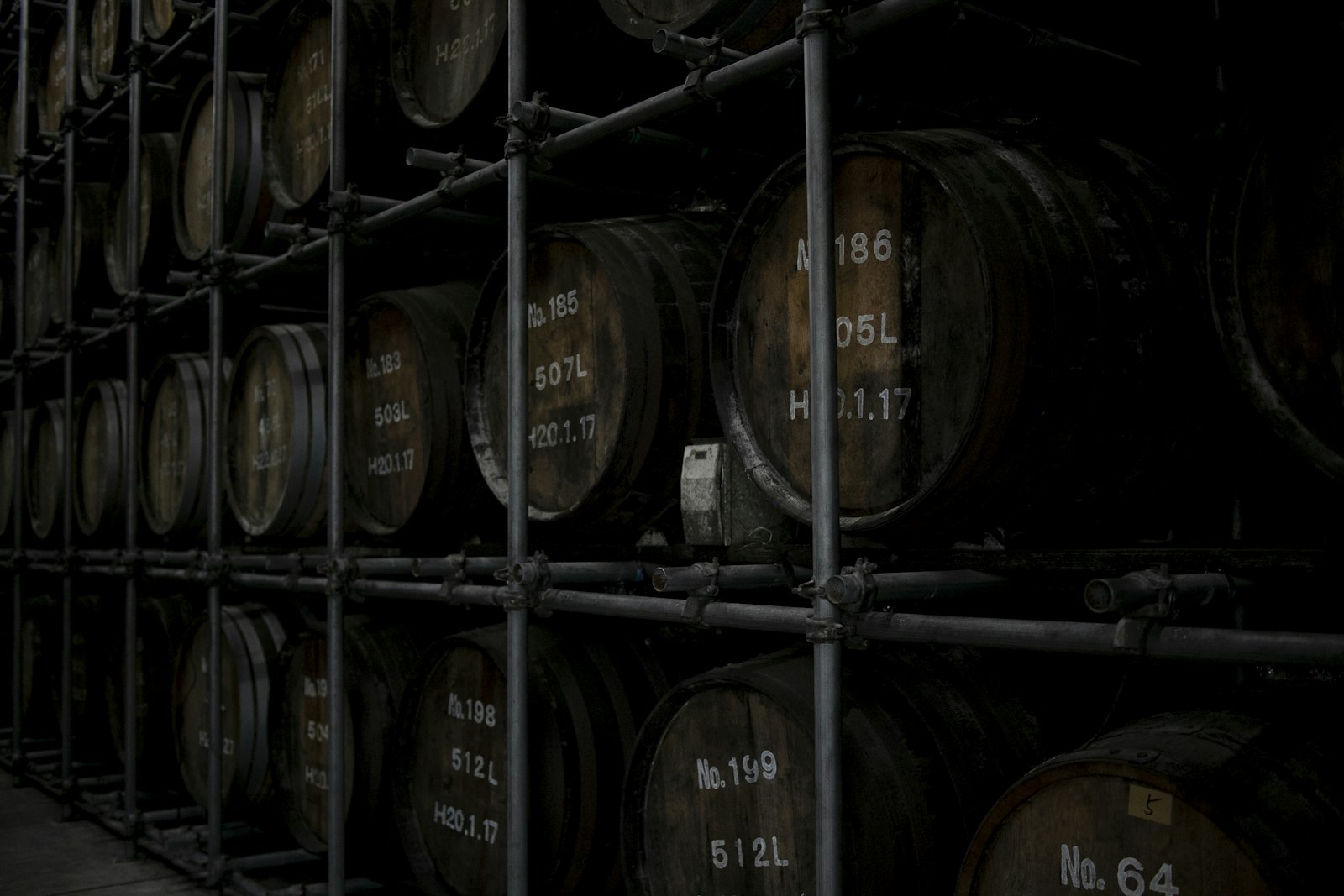
- Honkaku shochu (“authentic shochu,” also called otsurui) is distilled only once, typically in a pot still. Single distillation keeps much of the base ingredient’s character, so a sweet potato shochu really tastes of sweet potato.
- Korui shochu is distilled multiple times, usually in a continuous still. The result is clean and neutral, close to vodka. This is the shochu most commonly used as a mixer.
When a bar lists shochu by name and origin, it’s almost always honkaku. When a drink just says “sour” or “chuhai,” the base is often a neutral spirit like korui shochu.
Ingredients and Flavor: Where Shochu Gets Interesting
Ingredients are the shochu vs sake difference you can actually taste. Sake’s flavor range runs from dry to sweet and from light to rich, but it all comes from rice. Shochu, by contrast, can taste completely different depending on what it’s made from. The main styles you’ll meet:
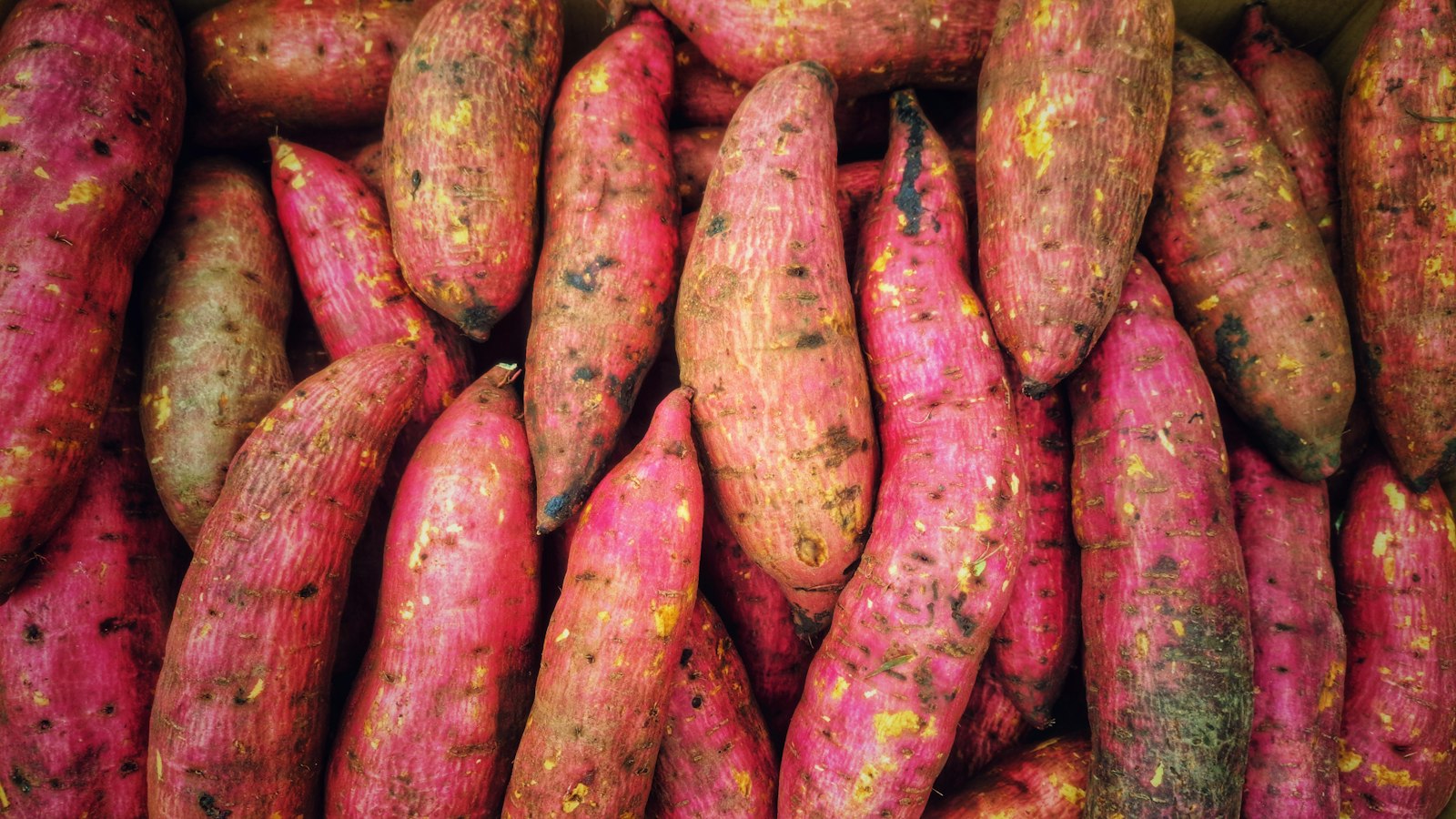
- Imo (sweet potato) — earthy, sweet and aromatic. The signature style of Kagoshima. Bold enough that some first-timers love it and others don’t.
- Mugi (barley) — light, toasty and easy-drinking. The usual entry point and a safe first order.
- Kome (rice) — smooth and gentle, with a faint resemblance to sake on the nose.
- Kokuto (brown sugar) — made in the Amami Islands, with a soft sweetness and a hint of rum.
- Soba (buckwheat) — nutty and mild.
Some names are also legally protected. “Satsuma shochu,” for example, can only be used for sweet potato shochu made with Kagoshima sweet potatoes and water, distilled in a pot still and bottled in Kagoshima.
What about awamori?
Awamori is Okinawa’s own distilled spirit and a close cousin of shochu. It’s made from rice (today mostly long-grain indica rice imported from Thailand) using only black koji, and it’s distilled once. Aged awamori, called kusu, can be mellow and complex. If you see 泡盛 on a menu, that’s what it is.
And soju?
Korean soju and Japanese shochu share a name with the same historical roots, and both are distilled. But most mass-market green-bottle soju is a lower-proof, sweetened spirit, closer to korui shochu than to a characterful honkaku shochu. They aren’t interchangeable.
Alcohol Strength: Why the Difference Matters at the Table
This is the most practical shochu vs sake difference of all. A standard shochu at 25% is roughly one and a half times stronger than sake at 15–16%. Drunk neat, a glass of shochu hits much harder than the same glass of sake.
That’s why dilution is the default for shochu. Mixed half and half with water, a 25% shochu lands around 12–13% ABV, which is lighter than most sake. So the strength you actually drink depends far more on how shochu is served than on the bottle itself.
Two quick tips:
- If a menu lists straight (ストレート) shochu, expect a small pour. That’s on purpose.
- Some awamori and aged shochu run 40% or more. Ask before ordering it neat.
Looking for Adult Entertainment Services in Tokyo? Download this
I’ve spent over a decade exploring and studying Japan’s adult entertainment scene firsthand. If you’d like detailed insider information—including how to choose the right shop, what services are available, and tips for avoiding common mistakes—check out our exclusive E-book.
How to Drink Sake vs Shochu
Sake: choose a temperature
Sake can be served across a wide range of temperatures, and the right one depends on the style:
- Reishu (chilled) — the usual choice for fragrant ginjo and daiginjo
- Jo-on (room temperature) — brings out the rice flavor in junmai styles
- Atsukan / nurukan (warm) — good for fuller, drier sake, especially in winter
Sake is usually served from a small carafe (tokkuri) into small cups (ochoko), or in a glass set inside a square wooden box (masu), where it’s sometimes poured to overflowing as a gesture of generosity.
Shochu: choose a mixer
With shochu, you’re mainly choosing what goes in with it. These are the words to know:
- Mizuwari (水割り) — with cold water. The everyday way to drink shochu.
- Oyuwari (お湯割り) — with hot water. In Kagoshima, the classic way is to pour hot water into the glass first, then gently add the shochu; the Kagoshima tourism board’s shochu guide recommends a ratio of 6 parts shochu to 4 parts hot water. The warmth opens up the aroma, especially with imo shochu.
- Rokku (ロック) — on the rocks.
- Sodawari (ソーダ割り) — with soda water, a shochu highball.
- Ocha-wari (お茶割り) — with tea. Ryokucha-hai (green tea) and oolong-hai are izakaya staples.
- Straight (ストレート) — neat, for when you want the full character.
Food Pairing: What to Eat With Each
Sake has a natural affinity for Japanese food, especially seafood. A crisp, dry sake with sashimi or a richer junmai with grilled fish is a classic match.
Shochu works best with bolder, saltier or fattier food. Barley shochu with yakitori is an easy win, and a warm imo shochu oyuwari stands up well to rich, fatty dishes. Because diluted shochu has no sugar and a clean finish, it also cuts through fried food well.
A simple rule of thumb that sums up the shochu vs sake difference at the table: delicate dishes, sake. Grilled, fried or heavily seasoned dishes, shochu.
Ordering at an Izakaya: Phrases That Work
Knowing the shochu vs sake difference is half the job; the other half is asking for what you want. You don’t need much Japanese to get exactly what you want. A few lines cover almost every situation:
- Nihonshu wa nani ga arimasu ka? — What sake do you have?
- Mugi shochu no mizuwari, kudasai. — Barley shochu with water, please.
- Imo shochu no oyuwari, kudasai. — Sweet potato shochu with hot water, please.
- Osusume wa? — What do you recommend?
Pointing at the menu and adding “kore, rokku de” (“this one, on the rocks”) also works perfectly. For more ready-to-use lines, see our guide on how to order in a Japanese bar, and brush up on izakaya etiquette for foreigners before your first night out.
On all-you-can-drink (nomihodai) plans, both shochu and sake are often included, though usually as a limited house selection.
Shochu vs Sake: Which Should You Try First?
There’s no wrong answer, but here’s how to choose:
- Choose sake if you like wine, prefer drinking something as it comes, or are eating sushi and seafood.
- Choose shochu if you like whisky or highballs, want to control how strong your drink is, or are eating grilled and fried food.
- Try both by starting with a glass of junmai sake, then moving to mugi shochu mizuwari. Once you can taste the difference between brewed and distilled, try an imo shochu oyuwari. That’s the one most visitors remember.
FAQ: Shochu and Sake Questions Visitors Ask
What is the main shochu vs sake difference? Sake is brewed from rice; shochu is distilled from rice, barley, sweet potato or other ingredients. That’s why shochu is stronger and usually diluted.
Is shochu stronger than sake? Yes, bottle for bottle. Shochu is usually 20–25% ABV and sake about 15–16%. Once shochu is mixed with water, though, the glass in front of you can be weaker than sake.
Is shochu the same as soju? No. They share historical roots, but Japanese honkaku shochu is single-distilled and full of character, while most mass-market soju is lighter and sweetened.
Is sake a wine or a beer? Neither, strictly speaking. It’s often called rice wine, but it’s brewed from grain like beer. It’s a category of its own.
Does shochu contain sugar? Essentially no. Distillation leaves sugars behind, so plain shochu has no carbohydrates. Sake does contain some.
What do you do in Tokyo After 10?
Join our Tokyo Nightlife Private Tour
You deserve better than overpriced bars and missed opportunities. We’re here for you.
See the Difference for Yourself in Tokyo
Reading about the shochu vs sake difference only gets you so far. The fun part is ordering a mugi mizuwari next to a cup of warm sake at a busy counter and tasting it for yourself. The tricky part is knowing which alley to walk down, which places welcome foreigners, and what to point at on a handwritten menu.
If you’d like someone who actually lives here to handle that, our Tokyo After 10 nightlife private tour takes you through local izakaya and bars where you can try both, with a guide explaining what’s in your glass along the way. And if you’d rather explore on your own, our roundup of beginner-friendly sake tasting spots in Tokyo is a good place to start.
Kanpai.