Photo by <a href="https://unsplash.com/@myr0326?utm_source=tokyodeepnightlife&utm_medium=referral">natsuki</a> on <a href="https://unsplash.com/?utm_source=tokyodeepnightlife&utm_medium=referral">Unsplash</a>
You’ve probably seen the photo: a glowing wooden cart and a curtain you duck under, with steam rising off a pot of oden while strangers squeeze together on a bench. If you’re searching for Tokyo night food stalls and yatai carts, here’s the honest answer up front. That kind of street cart is now rare in Tokyo. The yatai spirit is still very much alive, though. You just have to know where it moved to.
This guide explains what yatai are and why they mostly disappeared from Tokyo’s streets. It then covers the places where you can still get that elbow-to-elbow, eat-standing-up, drink-with-strangers experience after dark. That includes the festival stalls that pop up on specific nights, and one of the best of them happens in Asakusa this November.
Contents
- What Is a Yatai?
- Why Tokyo Night Food Stalls and Yatai Carts Are So Hard to Find Today
- The Best Places for a Yatai-Style Night in Tokyo
- Festival Nights: Where Tokyo Night Food Stalls and Yatai Still Line the Streets
- What to Eat at Tokyo Night Food Stalls and Yatai
- Etiquette Tips for Tokyo Night Food Stalls and Yatai
- Sample Route: A Yatai-Inspired Night in Tokyo
- What do you do in Tokyo After 10?Join our Tokyo Nightlife Private Tour
- Explore Tokyo’s Night Food Scene With a Local
- About the Author
What Is a Yatai?
A yatai is a small, movable food stall. The word roughly means “shop with a roof.” The classic version is a wooden cart with a counter, a few stools, a short noren curtain and a single cook working inches from the customers. Many are now built on bicycle trailers, motorbike trailers or the back of a small pickup truck.
The menu is usually short and built around food that can simmer or grill all night:
- Ramen: the classic late-night yatai dish
- Oden: fish cakes, daikon radish, eggs and konjac stewed in a light dashi broth
- Yakitori: grilled chicken skewers
- Gyoza and tempura: common at some stalls
- Beer, sake and shochu: almost always available
The format has deep roots in Tokyo. According to Wikipedia’s overview of yatai history), soba stalls were around in the city then called Edo at least as far back as the 1600s. In their heyday, big cities like Tokyo had thousands of them.
Why Tokyo Night Food Stalls and Yatai Carts Are So Hard to Find Today
If yatai were everywhere, where did they go? The short version is regulation and rising rents.
Ahead of the 1964 Tokyo Olympics, city officials worried about the health risks of food served from mobile carts. New rules followed, and the number of stalls dropped sharply. During Japan’s economic boom, many successful yatai operators traded the cart for a permanent storefront. Some of the city’s ramen shops started life as street carts.
What’s left today falls into three categories:
- Festival stalls (often called roten or tekiya stalls) that line shrine and temple approaches on festival days
- The odd independent cart, usually ramen or oden, that appears at night without a fixed schedule
- Yokocho alleys and stall-style food halls: permanent buildings that recreate the cramped, social feel of a yatai
Fukuoka, on the island of Kyushu, is the one Japanese city where street yatai are still a nightly institution. Its stalls cluster in districts like Nakasu and Tenjin. The nippon.com feature on yatai is a good primer if you’re planning a trip south. In Tokyo, though, you’ll have far better luck with the second-best options below.
A word on wandering carts: we’re not listing specific mobile stalls in Tokyo. They move, change hours or quietly retire, and we couldn’t confirm any of them reliably. If you stumble on one, consider it a lucky night.
The Best Places for a Yatai-Style Night in Tokyo
These spots aren’t carts on wheels, but they deliver what people actually want from Tokyo night food stalls and yatai: small counters, smoke, cheap drinks, and conversation with whoever is sitting next to you.
Omoide Yokocho (Shinjuku): The Closest Thing to a Yatai Street
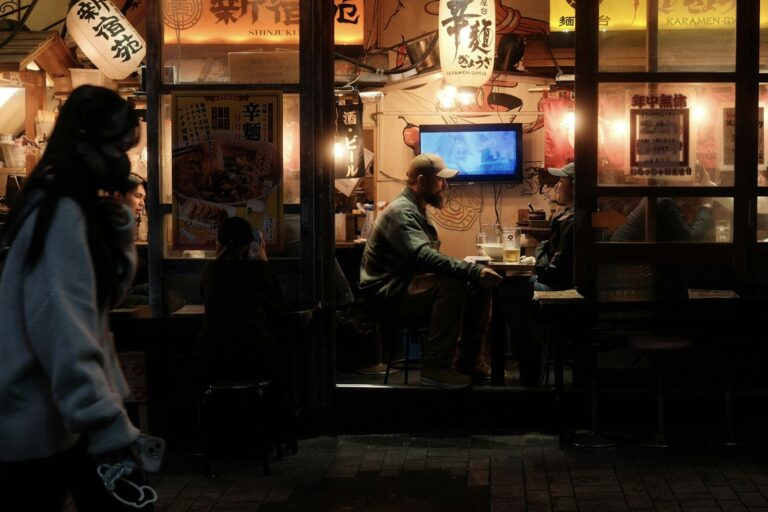
Tucked along the train tracks just northwest of Shinjuku Station, Omoide Yokocho (“Memory Lane”) is a tight network of alleys with dozens of tiny eateries. Many have nothing but a single counter. Yakitori and kushiyaki smoke drifts out of nearly every doorway. Some places also serve ramen, soba or sushi.
Most shops run from around 5 pm to midnight, and closing days are irregular. The atmosphere peaks after about 7 pm, when office workers and travelers squeeze onto the same stools.
This is the spot that feels most like a row of yatai that put down roots. For seating tips and ordering etiquette, read our first-timer’s guide to Omoide Yokocho.
Ebisu Yokocho: A Food-Stall Hall That Runs Until the Small Hours
Ebisu Yokocho sits a few minutes’ walk from Ebisu Station. It’s an indoor alley lined with around 20 small food counters, decorated with bright, retro-style lights and signs. Each counter is its own mini restaurant, and it’s normal to order from your neighbor’s stall too.
Most counters open around 5 pm and keep going until about 4 am, which makes it one of the best stand-ins for Tokyo night food stalls and yatai after midnight. Arrive after 8 pm if you want the full buzz. Expect a younger crowd than in Shinjuku, and a noise level to match.
Ameyoko (Ueno): Market Street by Day, Izakaya Alley at Dusk
Ameyoko runs along the elevated JR tracks between Ueno and Okachimachi stations. After World War II, it was a black market, and it’s still one of the most chaotic, open-air shopping streets in Tokyo. Most market stores open around 10 am and close around 8 pm. Many close on some Wednesdays.
The street food snacking is best in the afternoon and early evening. As the shutters come down, the action shifts to the izakaya under and around the tracks. Some have open fronts and plastic stools spilling into the street, which is about as close to yatai seating as central Tokyo gets. Our guide to bar hopping in Ueno and Ameyoko covers how to string together a night here.
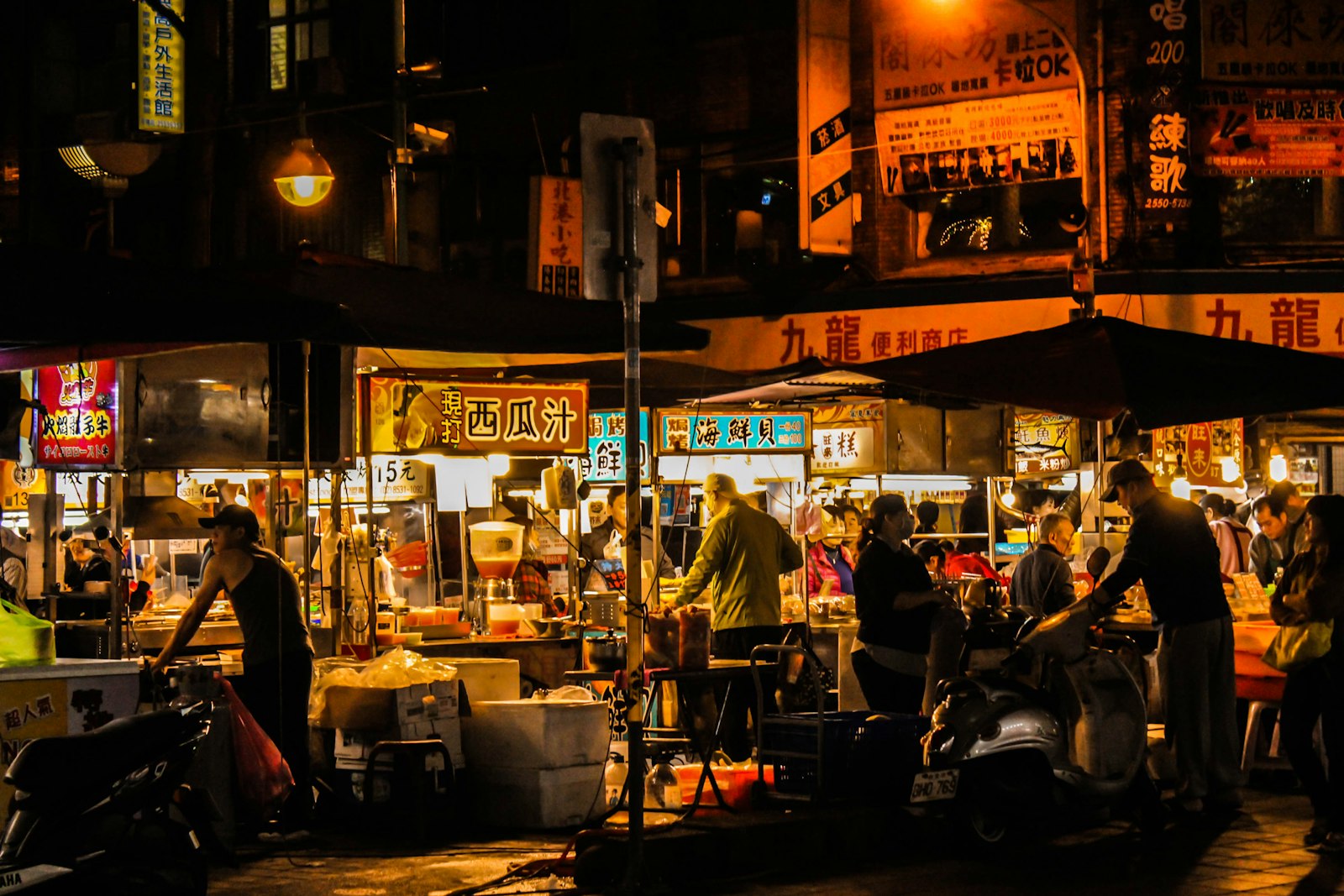
Hoppy Street (Asakusa): Open-Air Drinking Next to Senso-ji
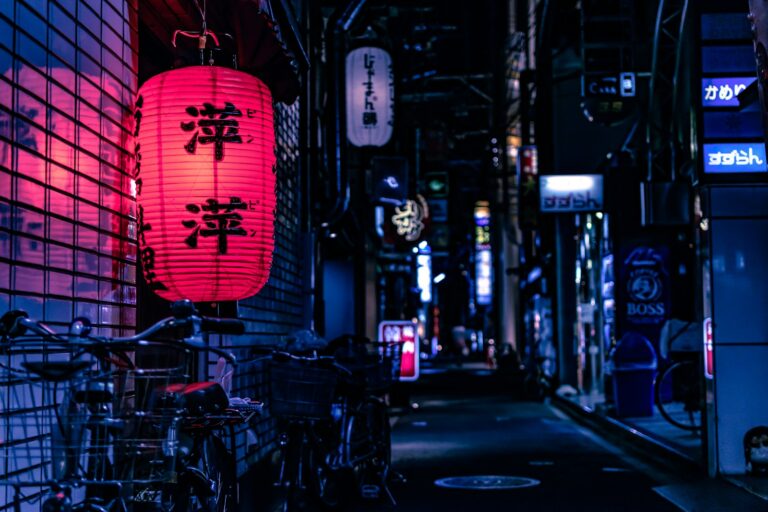
A short walk west of Senso-ji, Hoppy Street is a row of izakaya whose tables spill straight onto the pavement. People come for stewed beef tendon (nikomi), skewers and Hoppy, a low-alcohol beer-flavored drink mixed with shochu. Sitting outside under red lanterns with a bowl of stew is the most yatai-like dining in Asakusa. Our Hoppy Street Asakusa guide has the details.
Other Yokocho Worth the Detour
Tokyo has plenty more alleys in the same spirit, such as Nonbei Yokocho near Shibuya Station and Harmonica Yokocho in Kichijoji. Each has its own character, from tiny bars that seat only a handful of people to standing-only counters. For a ranked list, see our roundup of the best yokocho in Tokyo.
Festival Nights: Where Tokyo Night Food Stalls and Yatai Still Line the Streets
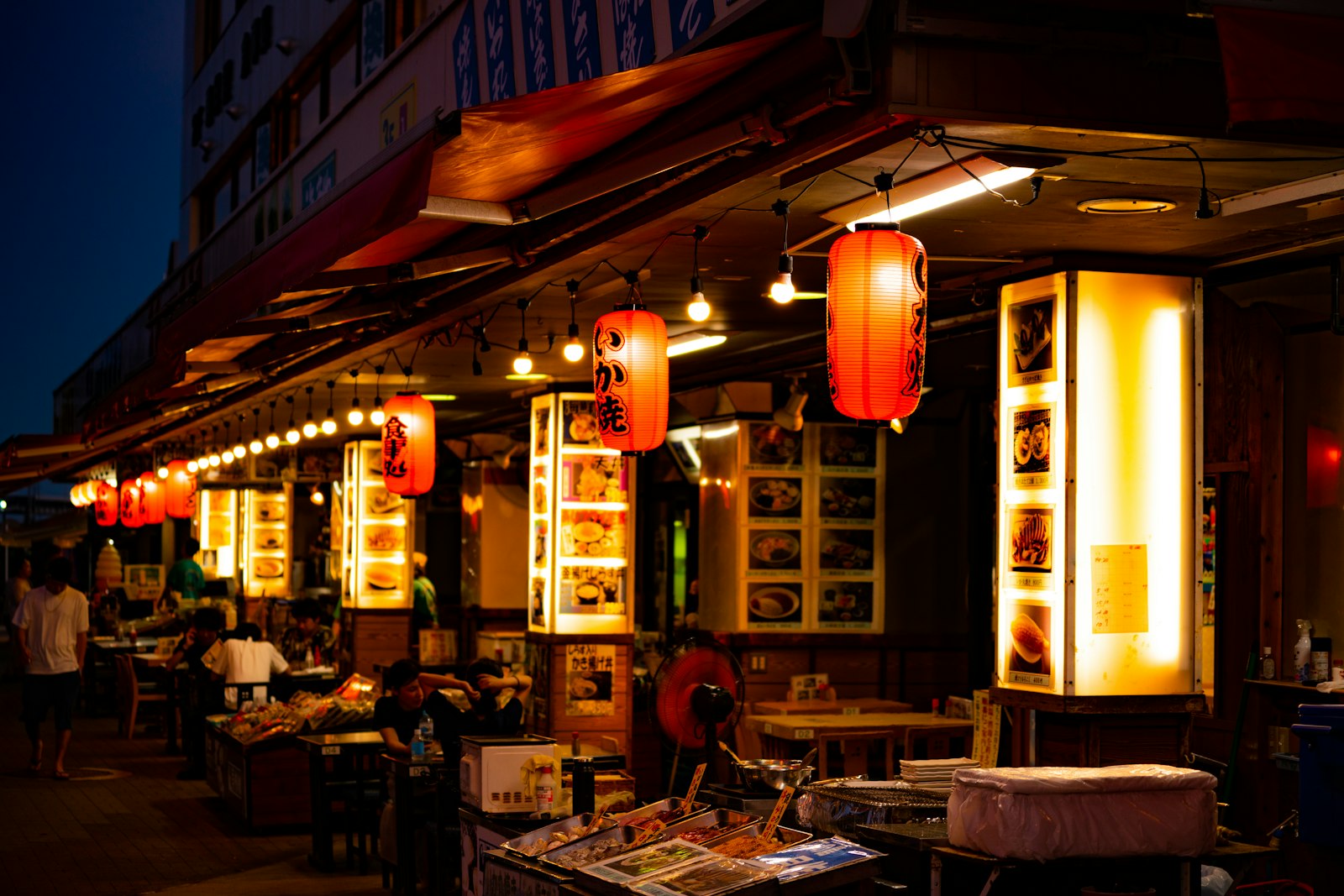
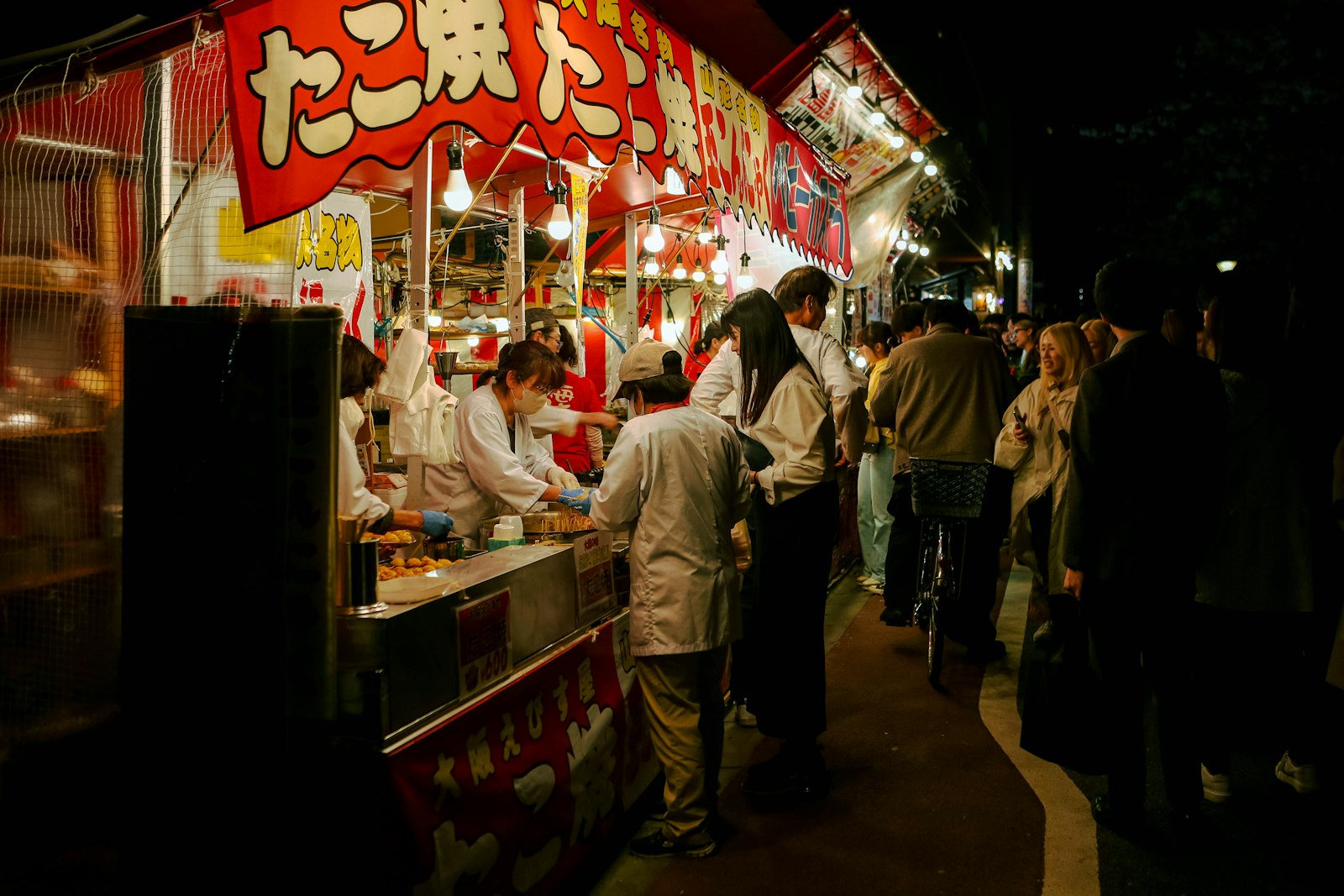
If you want to see true Tokyo night food stalls and yatai, with temporary carts selling takoyaki, yakisoba, grilled squid and candied apples, you need a festival. On festival days, stalls line shrine and temple approaches, and many keep cooking well after dark.
Tori-no-Ichi at Ootori Shrine (November 7 and 19, 2026)
If you’re in Tokyo this month, this is the one to circle. Tori-no-Ichi is held on the “days of the rooster” in November. The Asakusa edition takes place at Ootori Shrine and the neighboring Chokokuji Temple in Senzoku, Taito City. It’s north of the Senso-ji area, so don’t head to the main temple by mistake.
In 2026, the fair falls on two dates:
- Ichi-no-Tori: Saturday, November 7
- Ni-no-Tori: Thursday, November 19
The fair is famous for stalls selling kumade, decorated bamboo rakes said to rake in good fortune. When someone buys a big one, the sellers clap in a rhythmic chant. The surrounding streets fill with festival food stalls, and the area stays busy late into the night, so it’s one of the most authentic rows of Tokyo night food stalls and yatai you’ll see all year.
Exact hours can change, so check the official GO TOKYO event page before you go. For access, Minowa Station on the Tokyo Metro Hibiya Line and Asakusa Station on the Tsukuba Express are each about a 10-minute walk away. Don’t use the Ginza Line’s Asakusa Station, which is much farther.
Other Festivals With Night Food Stalls
Throughout the year, big shrine festivals and summer fireworks bring out rows of stalls across Tokyo. Dates move every year, so check the official listings for whichever event falls during your trip. On a local festival night, follow the lanterns and the smell of soy sauce on a hot griddle.
Looking for Adult Entertainment Services in Tokyo? Download this
I’ve spent over a decade exploring and studying Japan’s adult entertainment scene firsthand. If you’d like detailed insider information—including how to choose the right shop, what services are available, and tips for avoiding common mistakes—check out our exclusive E-book.
What to Eat at Tokyo Night Food Stalls and Yatai
Whether you end up at a festival or a yokocho counter, these are the dishes to look for:
- Yakitori: start with negima (chicken and leek) and tsukune (chicken meatball). Ask for shio (salt) or tare (sweet soy glaze).
- Oden: a winter favorite. Point at what looks good in the pot. Daikon and boiled egg are the safe first picks.
- Takoyaki: octopus balls, scorching hot inside. Wait a minute before biting.
- Yakisoba: fried noodles from a big iron griddle, the signature festival smell.
- Ika-yaki: grilled whole squid brushed with soy sauce.
- Ramen: the traditional final stop, called shime (the “closer”).
- Ringo-ame and choco-banana: festival sweets that kids and adults line up for.
Etiquette Tips for Tokyo Night Food Stalls and Yatai
Yatai-style eating is casual, but a few habits will make you a welcome guest:
- Carry cash. Small counters and festival stalls often don’t take cards, and even where they do, cash is faster.
- Don’t hog the seat. Stall-style counters have very few seats. Order, eat, drink, and move on when people are waiting. This is grazing, not a three-hour dinner.
- Order a drink first. At yokocho counters, it’s the expected opener and often how the seat is “paid for.”
- Check for a seating charge. Some small bars and izakaya add a cover charge, called otoshi or table charge. It’s normal, not a scam, but it’s fair to ask before you sit.
- Eat where you buy at festivals. Walking while eating is frowned upon in many parts of Japan. Stand to the side of the stall and finish your food there.
- Take your trash with you. Public bins are scarce in Tokyo. Stalls often keep a bin for their own customers’ containers, so use it.
- Small groups work best. Two or three people can slip into a counter. Groups of six usually can’t.
Sample Route: A Yatai-Inspired Night in Tokyo
If you want to build your own evening around Tokyo street food at night and yatai-style counters, here’s a simple three-stop plan:
- Early evening in Ueno: walk Ameyoko while the market is still open, then grab a beer and a few skewers at an open-front izakaya by the tracks.
- Main course in Shinjuku: take the JR line over and squeeze into Omoide Yokocho for yakitori and a second drink.
- Late finish in Ebisu: if you still have energy, Ebisu Yokocho’s counters keep serving into the early morning.
If you’re here on November 7 or 19, swap one stop for Tori-no-Ichi and catch the real festival stalls in full swing.
What do you do in Tokyo After 10?
Join our Tokyo Nightlife Private Tour
You deserve better than overpriced bars and missed opportunities. We’re here for you.
Explore Tokyo’s Night Food Scene With a Local
Tokyo night food stalls and yatai aren’t hiding. They’ve changed shape. The yatai of old have become yokocho counters, festival rows and open-air izakaya, and the best ones rarely have English menus or obvious entrances.
If you’d rather skip the guesswork, a local guide can walk you straight to the counters regulars actually use, order for you and translate the banter. Our Tokyo After 10 nightlife private tour is built for exactly that kind of night: small places, good food, and the side of Tokyo that doesn’t show up on Google Maps.