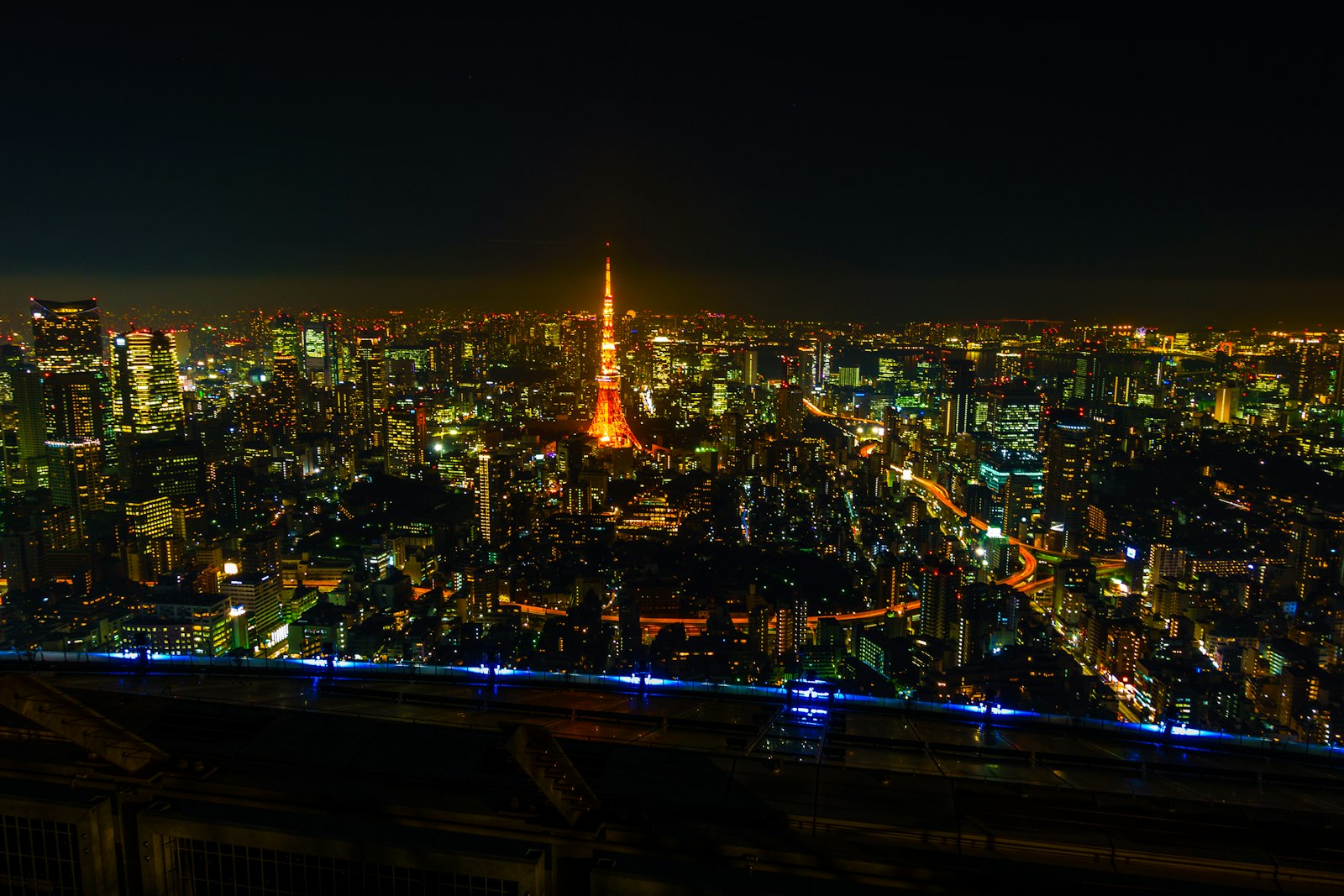
Photo by <a href="https://unsplash.com/@shaipal?utm_source=tokyodeepnightlife&utm_medium=referral">Shai Pal</a> on <a href="https://unsplash.com/?utm_source=tokyodeepnightlife&utm_medium=referral">Unsplash</a>
“Is Tokyo LGBT friendly for nightlife?” It’s a common question from travelers, and the short answer is yes. It’s one of the most relaxed and welcoming places in Asia for queer travelers going out after dark. Tokyo has one of the densest clusters of gay bars anywhere, in Shinjuku Ni-chome. It hosts a large annual Pride festival, and violent hostility toward LGBTQ+ people on the street is rare.
The longer answer is more interesting. Japan still doesn’t allow same-sex marriage, and queer life here is often quieter and more discreet than in Berlin, Sydney or San Francisco. This guide explains what that means for you as a visitor. It covers the legal picture, how Ni-chome actually works, which long-running bars are worth knowing, and the etiquette that makes the difference between a confusing night and a great one.
Contents
- Is Tokyo LGBT Friendly for Nightlife? The Honest Answer for 2026
- Shinjuku Ni-chome: The Heart of Tokyo’s LGBT Friendly Nightlife
- Foreigner-Friendly Ni-chome Bars and Clubs Worth Knowing
- Is Tokyo LGBT Friendly for Nightlife if You’re a Woman, Trans or Non-Binary?
- Ni-chome Etiquette: How to Be a Good Guest
- Getting Around and Staying Safe
- Tokyo Pride and Other Times to Visit
- Beyond Ni-chome: A Wider LGBT Friendly Night in Tokyo
- Final Verdict: Is Tokyo LGBT Friendly for Nightlife?
- What do you do in Tokyo After 10?Join our Tokyo Nightlife Private Tour
- Explore Tokyo After Dark With Someone Who Knows the Doors
- About the Author
Is Tokyo LGBT Friendly for Nightlife? The Honest Answer for 2026
For a traveler, day-to-day Tokyo is very easy to navigate as an LGBTQ+ person. Same-sex couples can check into hotels together without questions, and people generally don’t comment on how you dress. Japan’s culture of not interfering in strangers’ business works in your favor here. Most people simply won’t react.
What you’ll notice is discretion rather than hostility. Public displays of affection, from anyone, are less common in Japan than in the West. Many Japanese LGBTQ+ people aren’t out at work or with family. So queer life is concentrated in specific places, Ni-chome above all, rather than spread visibly across the city.
Where Japan Stands Legally
It helps to know the background, because it shapes the local scene:
- Same-sex marriage is not legal in Japan. Same-sex couples have challenged this in six lawsuits. At the high court level, five courts ruled the ban unconstitutional and one upheld it. That last ruling came from the Tokyo High Court on November 28, 2025.
- The Supreme Court is now involved. In March 2026 the cases were referred to the Supreme Court’s Grand Bench, and a ruling is widely expected in early 2027.
- Tokyo has a partnership system. The Tokyo Partnership Oath System began on November 1, 2022. It lets couples with at least one partner living, working or studying in Tokyo get a certificate that’s recognized for some public services, such as housing. It does not carry the legal force of marriage.
None of this affects your night out. It does explain why so many locals see Ni-chome as a safe, protected space, and why respecting their privacy matters (more on that below).
Shinjuku Ni-chome: The Heart of Tokyo’s LGBT Friendly Nightlife
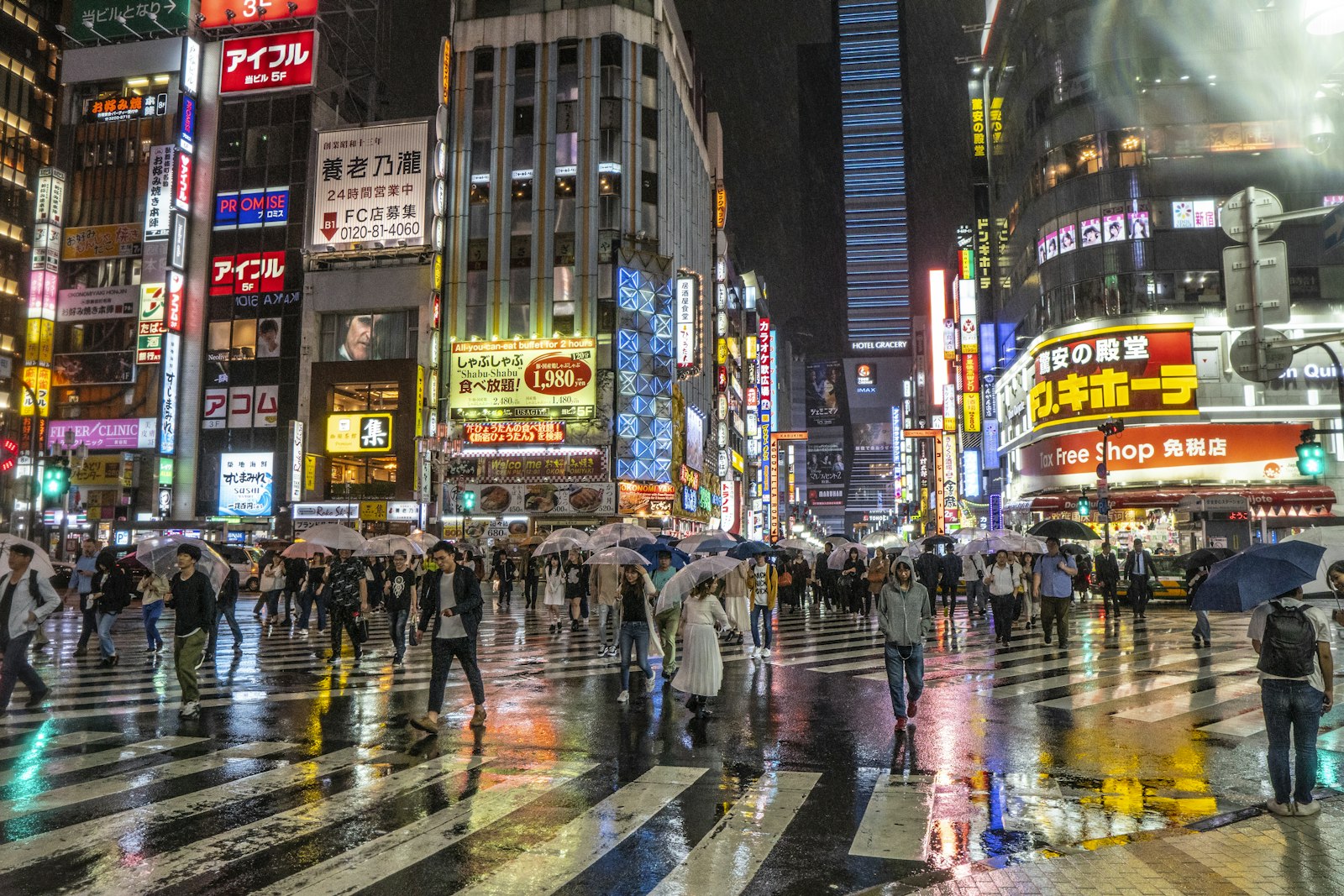
Shinjuku Ni-chome (“2-chome”) is a small grid of streets just east of Shinjuku’s main entertainment area. Estimates commonly put the number of queer bars, clubs and venues at around 300, packed into a few blocks. That makes it one of the highest concentrations of gay bars in the world.
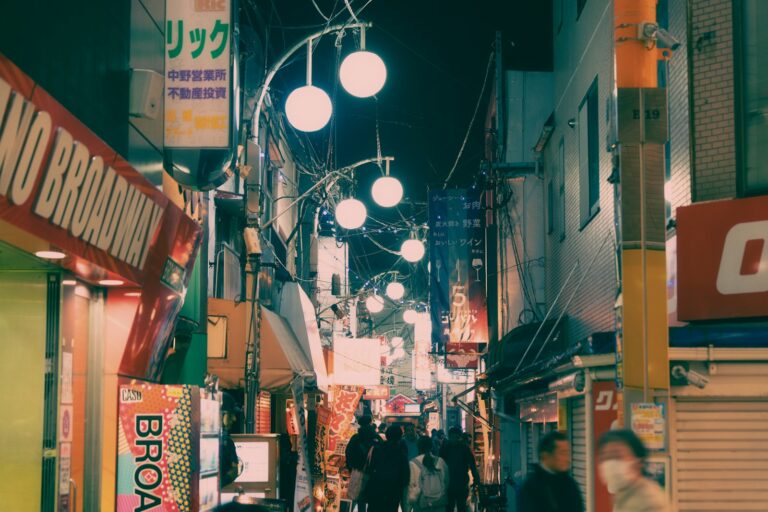
The closest station is Shinjuku-sanchome (Marunouchi, Fukutoshin and Toei Shinjuku lines). You can also walk there from Shinjuku Station in roughly ten minutes. The main drag is Naka-dori, where you’ll find the street-level bars and the crowds spilling onto the pavement on weekend nights.
If you’re combining Ni-chome with the rest of the area, our Shinjuku nightlife guide covers Kabukicho, Omoide Yokocho and the rest of the neighborhood.
How Ni-chome Actually Works
First-timers are often surprised by Ni-chome’s layout:
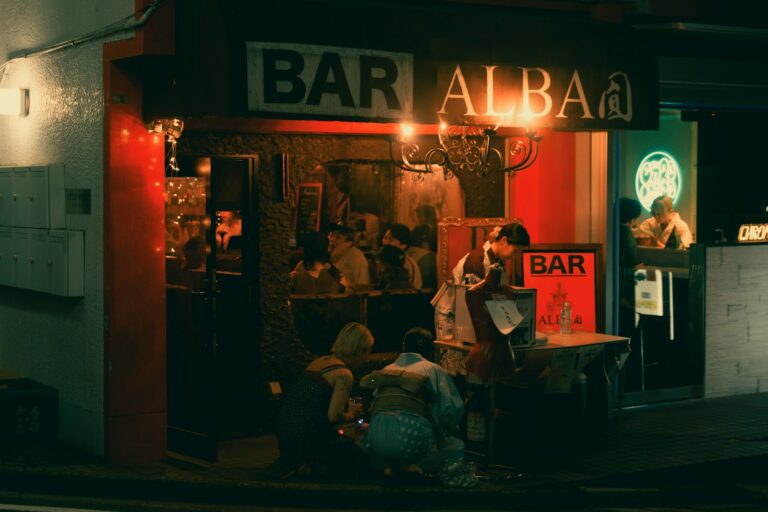
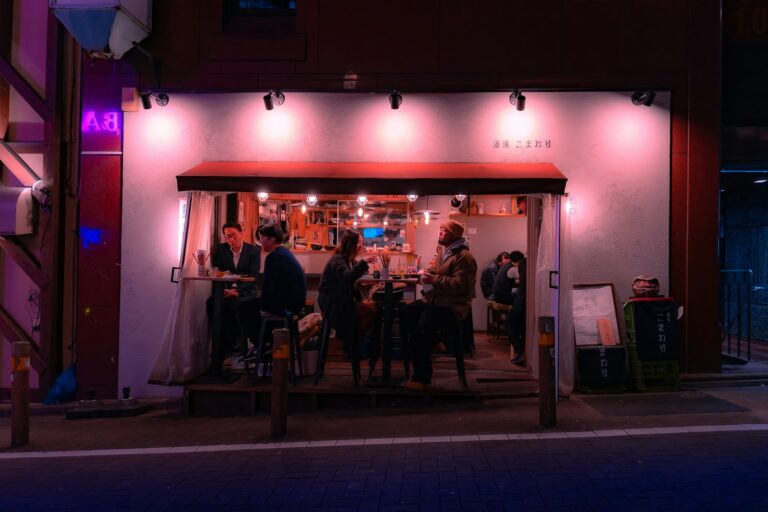
- Most bars are tiny. Many are counter bars with six to ten seats, tucked into upper floors of narrow multi-tenant buildings. From the street you’ll only see a small sign.
- Bars are highly specialized. Some are for bears, some for young guys, some for older men, some for women, some for specific hobbies. Some are explicitly for Japanese speakers only.
- The “mama” or “master” runs the room. As at a Japanese snack bar, the person behind the counter hosts the conversation, introduces customers and sets the mood.
- Weekends are lively, weekdays are quiet. Friday and Saturday nights fill Naka-dori with people. Early in the week, many bars are half-empty or closed.
The upside is intimacy. Sit at the right counter and you’ll be chatting with the bartender and regulars within minutes. The downside is that, without Japanese or a local contact, it can be hard to know which door to open.
Foreigner-Friendly Ni-chome Bars and Clubs Worth Knowing
The venues below are long-established, known for welcoming international visitors, and covered by several independent guides. Opening hours and prices change often, and several guides give conflicting times. Check each venue’s official social media before you go.
AiiRO Cafe — The Easiest First Stop
AiiRO Cafe sits right in the middle of Naka-dori and is one of the few open-air bars in Ni-chome. On busy nights its crowd spills onto the street. Tokyo Weekender’s 2026 guide lists it as having no cover charge, which makes it the classic place to grab a drink, people-watch and get your bearings. It’s mixed and very used to tourists.
Campy! Bar — Drag and a Party Atmosphere
Campy! Bar is a small, open-front drag bar that Time Out says opened in 2013. It’s run by drag queens and welcomes everyone: gay, straight, locals and visitors. Expect loud music, big personalities and a crowd that often overflows onto the street. It’s a fun place to start the night with friends, including straight friends.
Gold Finger — A Bar for Queer Women
Gold Finger is Tokyo’s best-known bar for queer women. Several guides agree that Saturdays are women-only, while on other nights it’s open to the wider LGBTQ+ community. It’s a good place to start if you’re a lesbian, bi or queer woman wondering whether Tokyo’s nightlife is LGBT friendly for you too. The scene for women is smaller than the men’s scene, but it’s active.
New Sazae — Ni-chome Institution
According to Tokyo Weekender, New Sazae opened in 1966, which makes it one of the oldest bars in the district. It plays 70s and 80s disco and attracts a mixed, late-night crowd. Come here when you want history and atmosphere rather than polish.
Eagle Tokyo — Bears and a Friendly Bar Crowd
Eagle Tokyo opened in November 2016 and is known as a bear-friendly bar with a big mix of expats and locals. It works well for first-timers who want a bar rather than a club.
Dancing: Arty Farty, Aisotope Lounge and Dragon Men
When you’re ready to dance:
- Arty Farty is a long-running Ni-chome dance club with a mixed local and international crowd, playing mostly pop.
- Aisotope Lounge is a multi-room club that hosts circuit parties, drag shows and themed nights. Some events are men-only or women-only, so check the event listing first.
- Dragon Men is a large, mixed bar with a dance floor and an outdoor patio, and a welcoming spot for allies and friends.
Is Tokyo LGBT Friendly for Nightlife if You’re a Woman, Trans or Non-Binary?
Ni-chome is historically centered on gay men, and many bars there are men-only. Women, trans and non-binary visitors shouldn’t let that put them off. It just means choosing venues more carefully:
- Mixed bars such as AiiRO Cafe, Campy! Bar and Dragon Men are the easiest starting points for everyone.
- Women-focused venues like Gold Finger are active, especially on weekends.
- Event nights at the larger clubs are often the most inclusive spaces for trans and non-binary people. Many are promoted on Instagram and event sites rather than on venue websites.
If a bar tells you it’s members-only, men-only or Japanese-only, it isn’t personal. These spaces were created for specific communities. A polite “sumimasen” and moving on is the right response.
Ni-chome Etiquette: How to Be a Good Guest
Getting these right will make your night smoother and earn you a warmer welcome.
Don’t Photograph People
This is the most important rule. Many people in Ni-chome are not out in their daily lives, and a stray photo on social media could genuinely harm them. Never take photos or videos of other customers, inside bars or on the street, without explicit permission. Many bars ban photography entirely.
Expect a Seating Charge
Many small Ni-chome bars charge a cover or seating fee. Tokyo Weekender puts it at roughly ¥500 to ¥1,000 at small bars, sometimes including a drink. This is normal and not a scam. It’s the same system as the table charge at regular Japanese bars, which we explain in what the otoshi charge is and why Japanese bars charge it. Ask “Charge wa ikura desu ka?” (How much is the charge?) before you sit down if no menu is posted.
Order Something and Talk to the Bartender
In a small counter bar, the bartender is your host. Order a drink promptly, say hello, and offer a drink to the mama or master if you’ve had a good chat. It’s appreciated, though not mandatory. Sitting in silence on your phone misses the point of these bars.
Be Respectful as an Ally or Straight Visitor
Straight allies are welcome at mixed venues, but remember Ni-chome is first a community space. Don’t treat it as a zoo or a tourist attraction. Avoid group shrieking at drag queens unprompted, and don’t take up seats in tiny bars just to “look.”
Looking for Adult Entertainment Services in Tokyo? Download this
I’ve spent over a decade exploring and studying Japan’s adult entertainment scene firsthand. If you’d like detailed insider information—including how to choose the right shop, what services are available, and tips for avoiding common mistakes—check out our exclusive E-book.
Getting Around and Staying Safe
For LGBTQ+ travelers, Tokyo after dark is generally very safe. Most of the risks are the same ones every visitor faces in Shinjuku:
- Watch the last train. Most train lines stop running around midnight to 1am and restart around 5am, so plan to leave before the last train, take a taxi, or stay out until morning.
- Ignore street touts. Ni-chome is next to Kabukicho, where touts sometimes steer foreigners toward overpriced bars. Don’t follow anyone who approaches you on the street with offers.
- Check prices before ordering. A few customers have reported surprise bills at popular bars. If there’s no menu, ask about prices up front.
- Dating apps are widely used in Tokyo’s gay scene, but take the usual care when meeting strangers.
For a broader overview of scams, touts and late-night transport, see our Tokyo nightlife safety tips for foreigners.
Tokyo Pride and Other Times to Visit
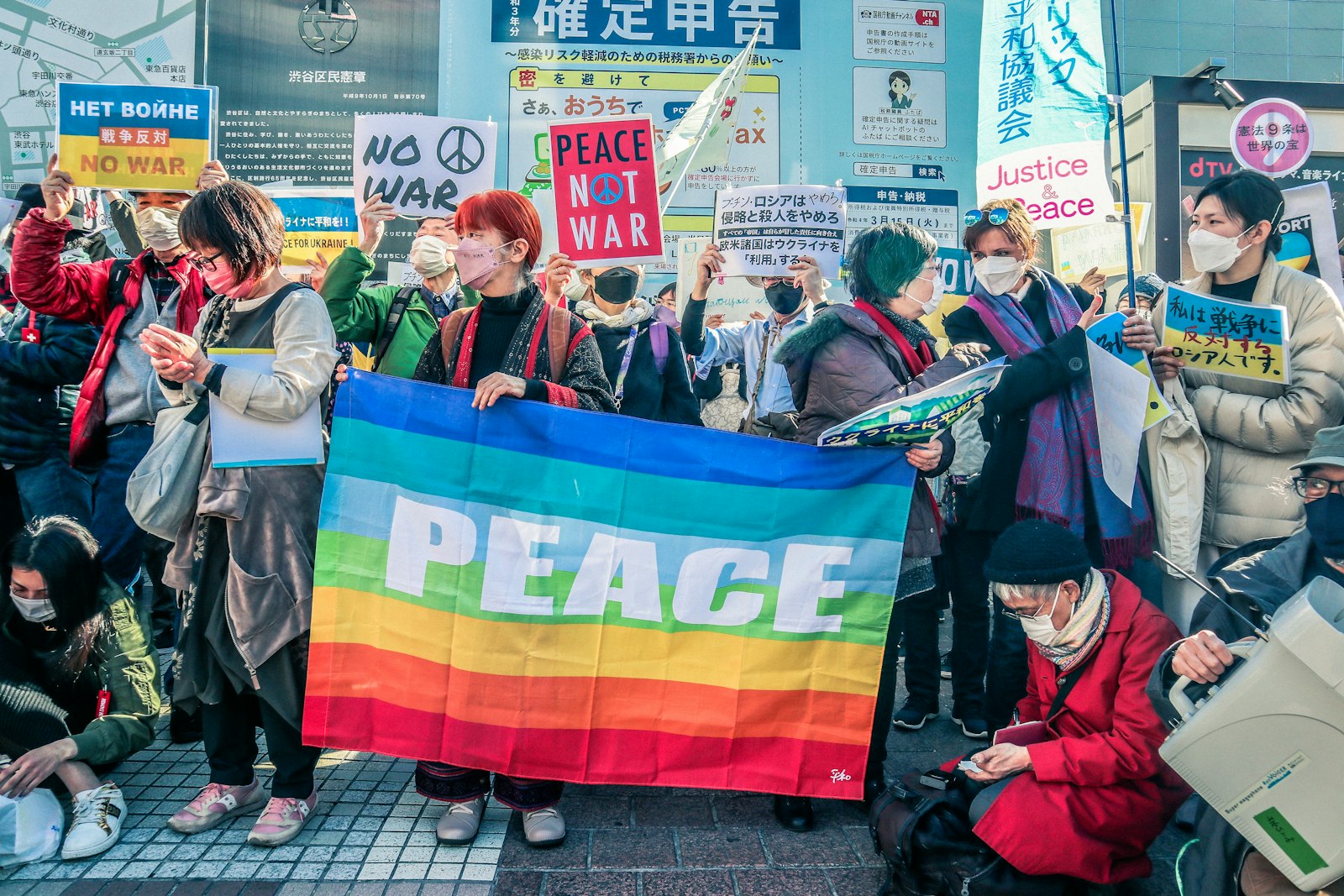
If you can plan your trip around it, Tokyo Pride is the high point of the year. In 2026 the festival and parade took place on June 6–7, with the festival at Yoyogi Park and the parade through Shibuya and Harajuku. For details on the next edition, check the official Tokyo Pride channels closer to the date.
Outside Pride season, Friday and Saturday nights are the liveliest in Ni-chome. Big club nights tend to run through to the first trains on Saturday and Sunday mornings.
Beyond Ni-chome: A Wider LGBT Friendly Night in Tokyo
You don’t have to spend the whole night in Ni-chome. Mainstream Tokyo nightlife is broadly relaxed toward queer customers, especially in cosmopolitan areas.
A good Shinjuku night might look like this:
- Early evening: Yakitori and a beer in Omoide Yokocho near the west exit.
- Around 9pm: A walk over to Golden Gai, where many of the tiny bars are run by owners with their own themes and regulars. Our complete guide to Golden Gai explains how to pick a bar there.
- From 10pm: Ten minutes’ walk east to Ni-chome, starting at a street-level bar on Naka-dori before moving into the smaller bars and clubs.
The mix of a classic Tokyo drinking alley followed by Ni-chome is one of the best ways to see how varied the city’s night culture is.
Final Verdict: Is Tokyo LGBT Friendly for Nightlife?
Yes. Whether you’re asking is Tokyo LGBT friendly for nightlife as a gay man, a queer woman or an ally, you’ll find it welcoming, safe and remarkably varied, with Shinjuku Ni-chome as one of the great queer nightlife districts in the world. The legal situation in Japan is still catching up, and local queer life can be more private than you might be used to. Respect that privacy, follow the small-bar etiquette, and you’ll likely be welcomed warmly.
The real challenge isn’t acceptance. It’s navigation: hundreds of tiny bars behind unmarked doors, Japanese-only signs, and specialized crowds that are hard to read from the street.
What do you do in Tokyo After 10?
Join our Tokyo Nightlife Private Tour
You deserve better than overpriced bars and missed opportunities. We’re here for you.
Explore Tokyo After Dark With Someone Who Knows the Doors
If you’d rather skip the guesswork, a local guide can turn a night of wandering into a night of great bars. Our Tokyo After 10 nightlife private tour is built around your interests and pace. You can start at a classic Shinjuku drinking alley and finish wherever the night takes you, with a guide who handles the language, the charges and the “which door?” problem for you.
Tokyo is ready to welcome you after dark. You just need to know where to look.