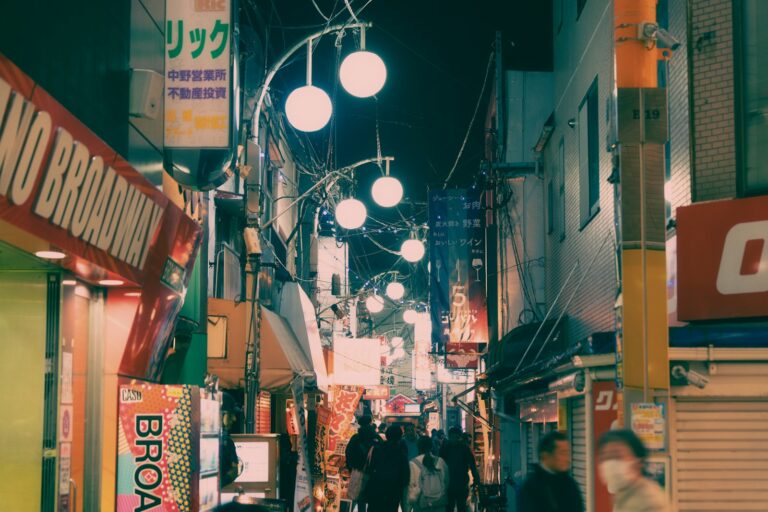
Photo by <a href="https://unsplash.com/@mybbor?utm_source=tokyodeepnightlife&utm_medium=referral">Robby McCullough</a> on <a href="https://unsplash.com/?utm_source=tokyodeepnightlife&utm_medium=referral">Unsplash</a>
Tokyo looks different from a saddle. On foot you see one neighborhood; on a train you see none of the in-between. A Tokyo night bike tour fills that gap, rolling you from neon-soaked Shibuya through quiet residential lanes to the foot of a glowing Tokyo Tower in about two hours, with the cooler evening air doing you a favor the whole way.
This guide covers what a typical Tokyo night bike tour actually looks like, the main route types, what they cost, who can join, and the new 2026 cycling rules every visitor on two wheels needs to know. It also covers the part most listings skip: what to do once you hand the bike back.
Contents
- Why Take a Tokyo Night Bike Tour?
- What a Typical Tokyo Night Bike Tour Looks Like
- Popular Tokyo Night Bike Tour Routes
- How Much Does a Tokyo Night Bike Tour Cost?
- Who Can Join? Fitness, Age and Height
- Japan’s 2026 Cycling Rules: What Visitors Must Know
- Tips for the Best Tokyo Night Bike Tour Experience
- Guided Tour vs. Riding Tokyo at Night on Your Own
- After the Ride: Where Tokyo’s Night Really Starts
- What do you do in Tokyo After 10?Join our Tokyo Nightlife Private Tour
- Continue Your Tokyo Night With a Local Guide
- About the Author
Why Take a Tokyo Night Bike Tour?
Tokyo is huge, but the distances between its best night views are surprisingly bikeable. Shibuya to Tokyo Tower is a long walk and an awkward train transfer. By bike it is a pleasant loop.
A few things make the evening the best time to ride:
- Cooler temperatures. Tokyo summers are hot and humid. After sunset, riding becomes much more comfortable.
- Lighter traffic in the quiet zones. Many routes deliberately use back streets, parks and tree-lined avenues that feel almost empty after dark.
- The skyline is switched on. Roppongi Hills, Tokyo Tower and the waterfront look their best once the lights come on.
- Places trains can’t reach. Spots like Jingu Gaien and Aoyama Cemetery sit between stations, so most visitors never see them.
A guided Tokyo night cycling tour also takes the navigation stress away. You don’t have to read Japanese road signs, work out where bikes are allowed, or figure out where to park. The guide handles all of that, so you can look up.
What a Typical Tokyo Night Bike Tour Looks Like
Most tours you’ll find on booking platforms share the same basic format:
- Duration: around 2 hours of riding, with stops for photos and short explanations
- Group size: small groups led by an English-speaking guide
- Pace: relaxed, but you need to be a confident cyclist
- Start time: early evening, usually around 7pm
One listed Shibuya-area tour, for example, meets at Umayamichi Park in Sendagaya at 19:00 and finishes back there around 21:00. It provides a hybrid bicycle, an optional helmet and a short safety briefing. Food, drinks and hotel pickup are not included, and there’s no dinner stop, so eat beforehand or plan to eat afterward.
That listing also asks riders to be comfortable at about 15 km/h. That isn’t fast, but it does mean you should be steady on a bike in traffic. If you haven’t ridden in years, an e-bike tour is the safer choice.
Popular Tokyo Night Bike Tour Routes
Routes vary by operator, but most fall into one of three styles.
Shibuya to Tokyo Tower: The Classic City-Lights Loop
This is the most common route, and the one that shows the most variety in two hours. A typical itinerary runs:
- Harajuku and Omotesando, with fashion flagships lit up along the avenue
- Roppongi Hills, with views up to the towers
- Azabu-Juban, a calmer, upscale neighborhood
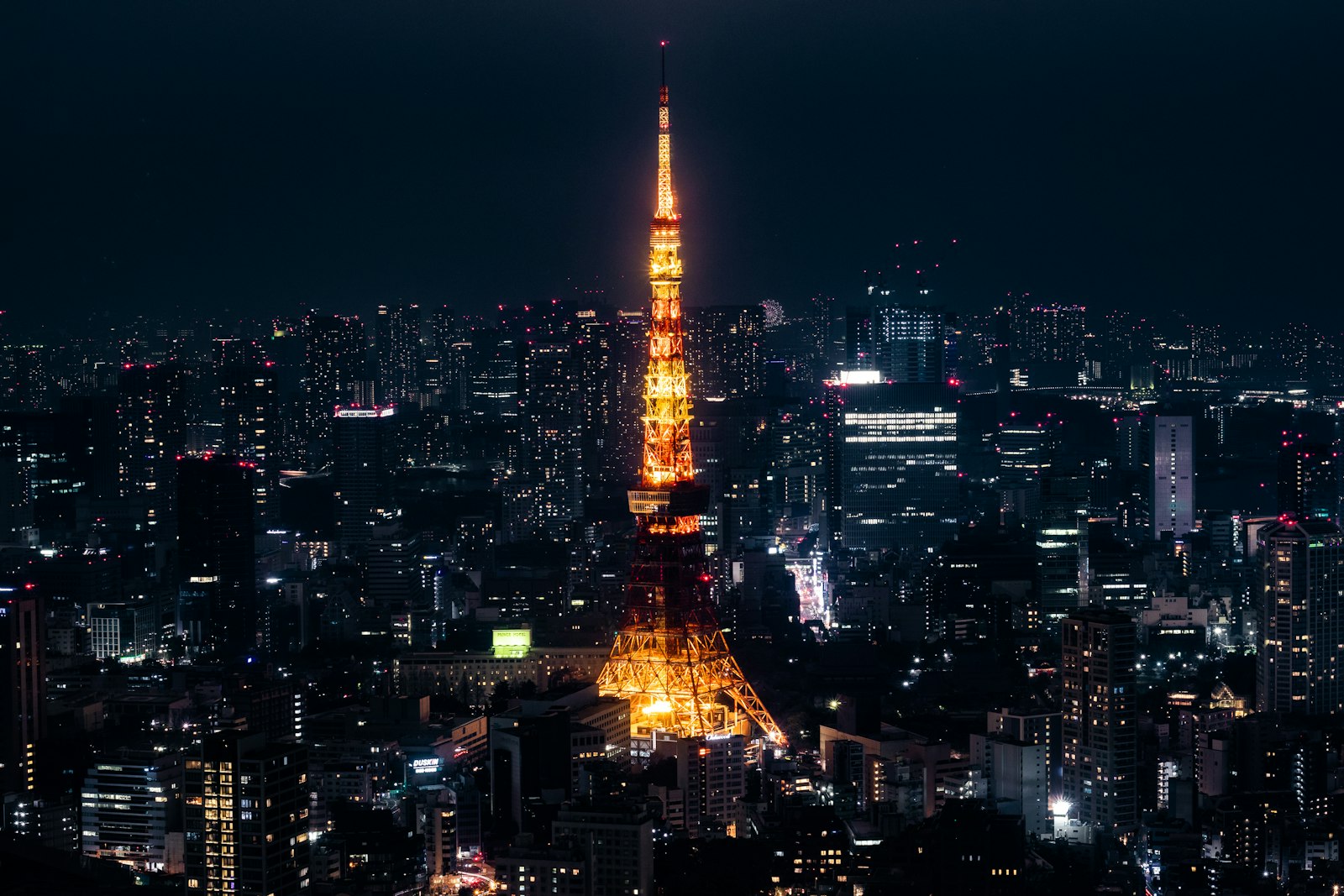
- Tokyo Tower, usually the main photo stop
- Roppongi Crossing
- Aoyama Cemetery, a peaceful, tree-lined ride
- Back to the start near Harajuku or Shibuya
Riding through Aoyama Cemetery at night sounds odd, but it’s one of the quiet surprises of the route. It’s spacious, calm and lined with cherry trees, which makes it a nice contrast to the crowds at Shibuya Crossing.
Neon Bike Tours: Shibuya Crossing and Omotesando
Some operators decorate their bikes with bright neon lights, which turns the group into a small moving light show. These neon bike tours in Tokyo cover similar ground: Shibuya Scramble Crossing, Omotesando, and a finish either at Tokyo Tower or near Yoyogi Park and Harajuku Station, depending on the listing.
These are great if photos and video matter to you. Expect more attention from passers-by, and check the exact finishing point before you book, because listings don’t always agree.
Tokyo Bay and Harumi Wharf: The Waterfront E-Bike Route
For a different side of the city, look at the eastern routes toward Tokyo Bay. One e-bike tour run by Japan Attendant has used electric-assist share bikes on a roughly three-hour route:
- Starting near Akihabara and Kanda
- Through Nihonbashi, past the historic bridge and the Bank of Japan building
- Over to Tsukishima and Tsukudajima, home of monjayaki street
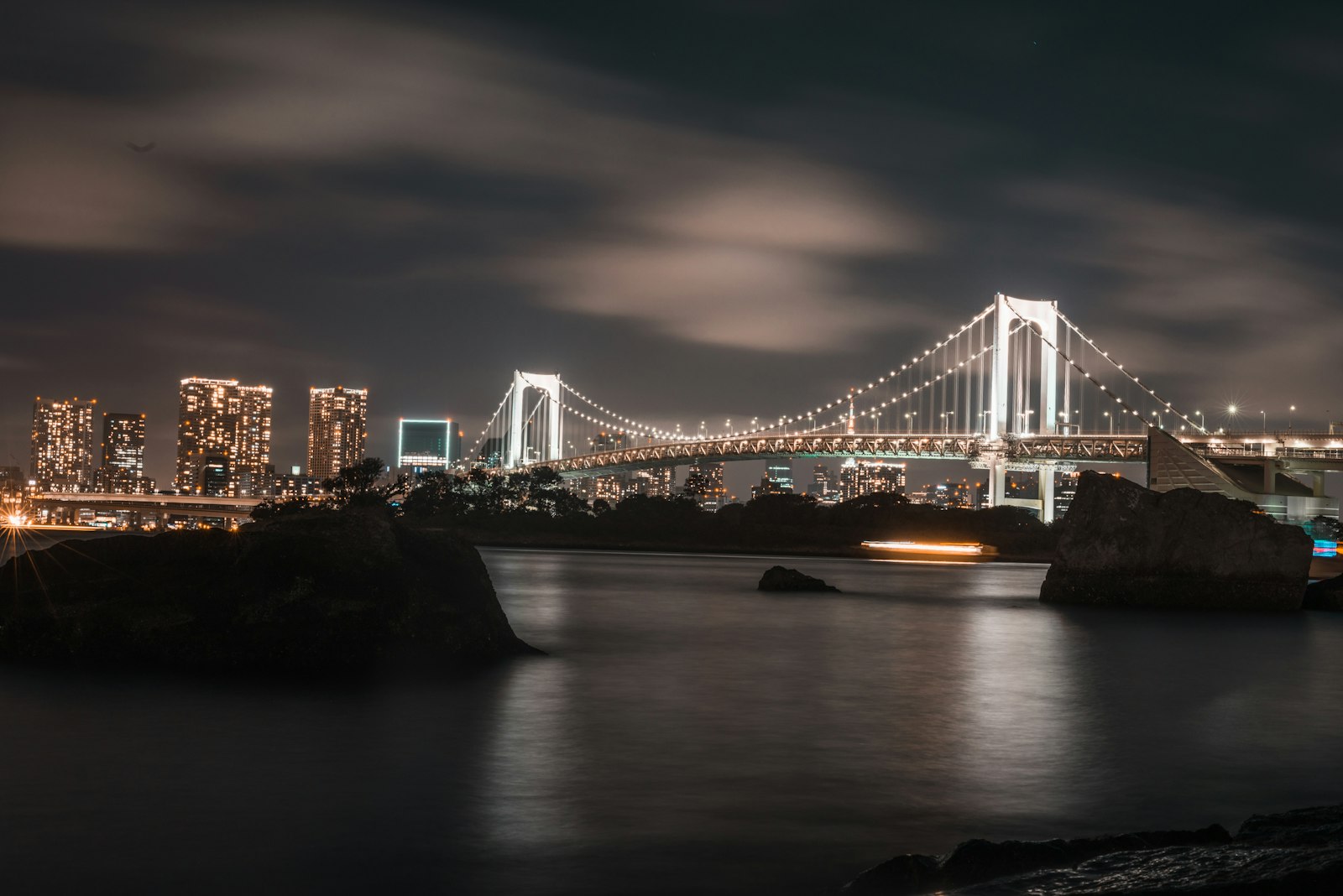
- Out to Harumi Wharf for a view of the bay at night
- Back via Kachidoki Bridge, Tsukiji and Ginza to Tokyo Station
This route has more old-Tokyo character and water views, and the electric assist makes the bridges easy. Some versions have run only in certain seasons, so check current dates before planning around it.
How Much Does a Tokyo Night Bike Tour Cost?
At the time of writing, small-group night cycling tours in Tokyo were listed at roughly ¥8,500 to ¥11,000 per person on major booking platforms. One Shibuya-to-Tokyo Tower listing was ¥8,500, and the neon bike tours were listed at around ¥10,600 to ¥11,000.
A few things to keep in mind:
- Prices vary by platform. The same tour can appear at different prices on different sites, sometimes by a lot. Compare before you book.
- Private tours cost more. Fully private night rides with photography are available, but expect a higher price.
- Check what’s included. Most tours include the bike and guide. Some include a helmet, and few include food.
Who Can Join? Fitness, Age and Height
Night cycling tours in Tokyo are beginner-friendly in spirit, but they aren’t for complete non-riders. Before booking, check:
- Age limits. One Shibuya tour accepts riders aged 16 to 75.
- Height limits. The same tour requires riders between 155 cm and 200 cm, because the bikes are standard sizes.
- Riding confidence. You’ll be riding on real roads in one of the world’s biggest cities. If you’re nervous, choose an e-bike tour or a private tour where the guide can adjust the pace.
- Group bookings. Some operators ask groups of four or more to check availability first.
Looking for Adult Entertainment Services in Tokyo? Download this
I’ve spent over a decade exploring and studying Japan’s adult entertainment scene firsthand. If you’d like detailed insider information—including how to choose the right shop, what services are available, and tips for avoiding common mistakes—check out our exclusive E-book.
Japan’s 2026 Cycling Rules: What Visitors Must Know
This is the section most tour listings leave out, and it matters. From April 1, 2026, Japan introduced a “blue ticket” system of on-the-spot fines for cyclists aged 16 and over. It applies to tourists too.
Your guide will keep the group legal, but you’re still personally responsible for how you ride. The most relevant fines for a night tour, as reported by Nippon.com’s guide to Japan’s new bicycle rules and other sources, include:
| Violation | Fine |
|---|---|
| Using a smartphone while riding | ¥12,000 |
| Ignoring a traffic signal | ¥6,000 |
| Riding at night without a light | ¥5,000 |
| Holding an umbrella while riding | ¥5,000 |
| Wearing headphones or earphones | ¥5,000 |
Some other basics:
- Keep left. Bicycles ride on the left side of the road, the same as cars.
- Sidewalks are for pedestrians. Where riding on the sidewalk is allowed, pedestrians have right of way and you must ride slowly.
- Helmets are encouraged. They aren’t legally required for adults, but the National Police Agency strongly encourages them. Take the helmet if your tour offers one.
- Don’t film while riding. It’s tempting to film Shibuya Crossing on your phone. Stop, step off, then shoot.
Never Drink and Ride
Drunk cycling is not a blue-ticket fine. It’s treated as a serious criminal offense, with penalties comparable to drunk driving. For foreign visitors, the consequences can go well beyond a fine.
That has a practical effect on how you plan your night. Ride first, drink later, and don’t sign up for a tour that mixes the two.
Tips for the Best Tokyo Night Bike Tour Experience
- Book the first available evening. Night rides can be canceled in heavy rain or severe weather, so leave yourself a backup date. One listing we checked runs in light rain but offers a full refund only if you cancel at least 24 hours ahead.
- Eat before you ride. Most tours have no meal stop, and two hours of cycling makes you hungry.
- Dress in layers. It’s warm while you ride and cools down fast at photo stops, especially from November to March.
- Wear closed shoes. Avoid sandals and long, loose skirts or trousers that can catch in the chain.
- Pack light. A small cross-body bag or backpack is ideal. Most hybrid bikes don’t have big baskets.
- Charge your phone. You’ll take more photos at Tokyo Tower than you expect.
- Bring a little cash. Handy for drinks or a snack at convenience stores along the way.
Guided Tour vs. Riding Tokyo at Night on Your Own
Tokyo has bike-share services, so you could plan your own route. Here’s how the two options compare.
A guided Tokyo night bike tour is better if:
- It’s your first time riding in Japan
- You want local stories, not just views
- You’d rather not navigate one-way streets and bike-parking rules in the dark
- You want someone else to handle the route through quiet back streets
Riding on your own works if:
- You’re a confident city cyclist who’s comfortable reading maps while stopped
- You already know the 2026 rules above
- You want total flexibility on timing
Note that self-guided riders also have to deal with bike parking. Leaving a bike in the wrong place in Tokyo can get it removed. On a tour, that problem goes away.
After the Ride: Where Tokyo’s Night Really Starts
Most Tokyo night bike tours finish around 9pm, which is early by Tokyo standards. The city is only warming up. Bar alleys fill up, izakaya get loud, and the best small bars don’t get going until much later.
Because you shouldn’t drink and ride, the end of your bike tour is the natural moment to switch to the second half of the night on foot. If you want ideas, our guide to what to do in Tokyo at night lists 20 after-dark experiences. Our complete guide to Tokyo night tours compares the other formats, from walking and food tours to bar hopping.
If you’re riding on the east side of town, Asakusa is another good place to continue the evening. Our Asakusa night tour guide covers Senso-ji after dark and the Sumida River. And wherever you end up, read up on Tokyo nightlife scams before you follow a street tout anywhere.
What do you do in Tokyo After 10?
Join our Tokyo Nightlife Private Tour
You deserve better than overpriced bars and missed opportunities. We’re here for you.
Continue Your Tokyo Night With a Local Guide
A Tokyo night bike tour shows you the city’s skyline. The other half of Tokyo after dark is harder to find on your own: the hidden bars up narrow staircases, the izakaya with no English sign, and the spots that only feel welcoming when you arrive with someone who knows the place.
That’s what our Tokyo After 10 nightlife private tour is for. A local guide takes you through the city after the bikes are parked and the lights are at their brightest, with no guesswork and no overpriced tourist traps. Ride in the evening, then let a local show you where Tokyo goes after 10.